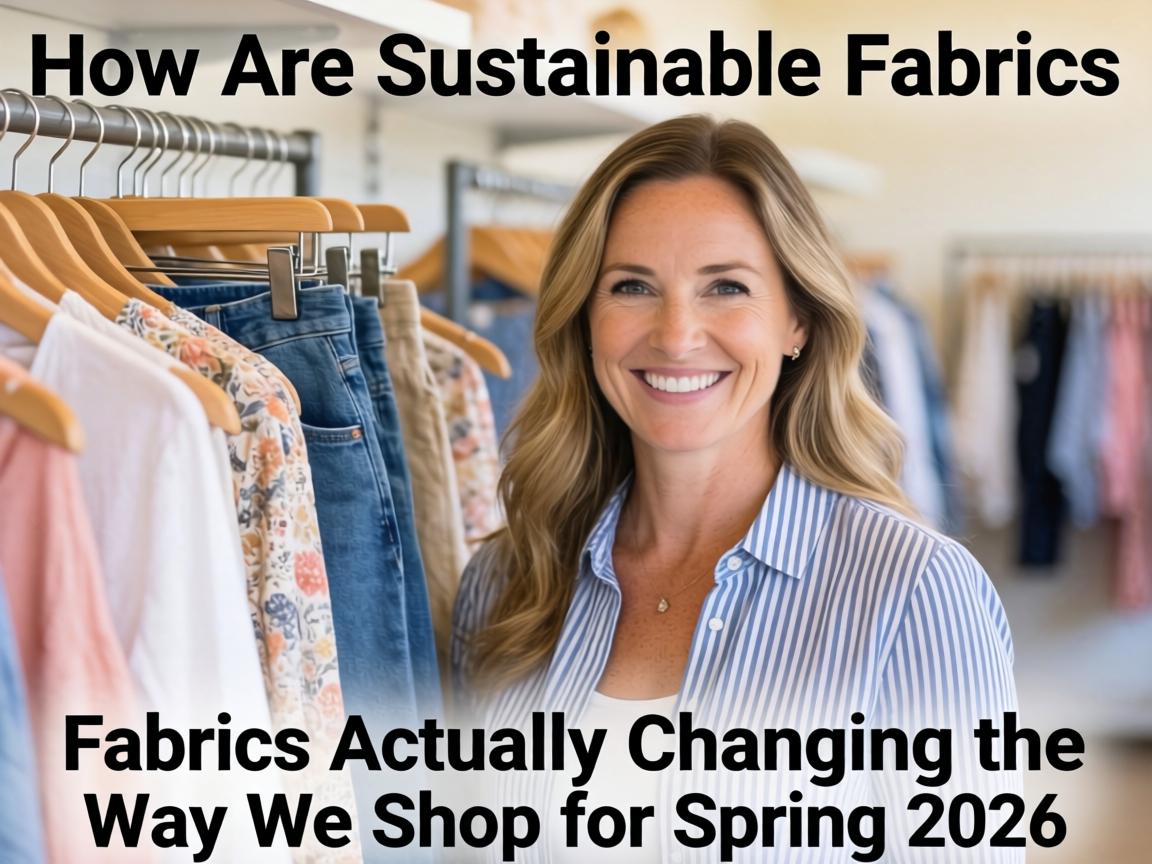
Guys, let’s be real—when did reading a clothing label become as complicated as deciphering a nutrition facts panel? Sustainable fabrics
have moved from niche marketing
to mainstream necessity
, and honestly? The Spring 2026
collections prove this isn’t just greenwashing
anymore. With regenerative agriculture
, lab-grown materials
, and closed-loop recycling
hitting luxury runways
and high-street stores
simultaneously, shopping ethically suddenly feels less like sacrifice and more like… evolution. From my view, this shift represents the biggest textile revolution
since synthetic fibers
dominated the 1950s.You might be wondering if sustainable
automatically means expensive
or aesthetically limited
. Keep reading, because here’s what I think: the innovation curve
flattened faster than anyone predicted. Spring 2026’s fabric technologies
—cactus leather
, algae-based dyes
, carbon-negative cotton
—now compete on price
and performance
, not just principle
. Most people don’t notice that Tencel
and modal
have become industry standards
rather than premium alternatives
. What does this mean for the season? It means conscious consumption
no longer requires style compromise
.The Certification Maze Nobody Explains
A lot of people ask me which eco-labels
actually matter. The truth is messy: GOTS
, OEKO-TEX
, Cradle to Cradle
, B Corp
—each measures different things. From my view, GOTS-certified organic
guarantees farm-to-finish
standards, while OEKO-TEX
focuses on chemical safety
in final products. Most people don’t notice that B Corp certification
evaluates company-wide practices
, not just individual garments
.
| Certification | What It Actually Means | Trust Level |
|---|---|---|
| GOTS
|
70%+ organic fibers
, environmental + social criteria |
High |
| OEKO-TEX Standard 100
|
Tested for harmful substances
|
Medium-High |
| Cradle to Cradle
|
Circular design principles
, material health |
High |
| Recycled Claim Standard
|
Tracks recycled content
|
Medium |
| Vague “eco-friendly”
|
Marketing term
, no third-party verification |
Low |
Here’s what I think trips everyone up: certification fatigue
. You might be wondering whether perfect
is the enemy of good
. From my view, progressive improvement
beats perfectionist paralysis
. A conventionally grown cotton tee
from a transparent supply chain
sometimes outperforms a “organic”
garment with opaque sourcing
.Material Innovation: What’s Actually Working
Most people don’t notice how Spring 2026’s breakthrough fabrics
solve practical problems
, not just ethical ones
. Banana fiber
—from agricultural waste
—creates silky, biodegradable textiles
that breathe better than polyester
. Mycelium leather
(yes, mushroom roots
) now mimics animal leather’s
suppleness
without the tanning toxicity
. What does this mean for the season? It means vegan alternatives
finally escaped that plastic-y, short-lifespan
reputation.A lot of people ask about durability
. Here’s what I think: sustainable
should mean long-lasting
, not just biodegradable
. The most sustainable garment
is the one you wear 200 times
. Spring 2026’s quality markers
—tighter weaves
, natural fiber blends
, reinforced stress points
—show brands finally understood this math.From my view, regenerative agriculture
represents the deepest shift
. Unlike organic
(which avoids harm), regenerative
actively improves soil health
, sequesters carbon
, increases biodiversity
. Most people don’t notice that Patagonia
, Kering
, and even H&M
now invest in regenerative cotton programs
that transform farming practices
at source level
.The Price Reality Nobody Discusses
You might be wondering why sustainable fashion
still costs more. Keep reading, because here’s what I think: true cost accounting
reveals conventional fashion’s
hidden subsidies
—environmental degradation
, labor exploitation
, fossil fuel dependency
. When sustainable brands
pay living wages
and pollution mitigation
, prices reflect actual value
.Most people don’t notice the emerging price parity
. Spring 2026
marks the tipping point where large-scale recycled polyester
and organic cotton
hit cost competitiveness
with virgin materials
. Uniqlo’s
latest sustainability line
, Zara’s
Join Life
expansion—mass market adoption
drives economies of scale
.A lot of people ask about secondhand
as sustainability shortcut
. From my view, yes
, but with caveats
. Extending garment lifecycles
through resale
, rental
, repair
reduces new production pressure
. However, synthetic fast fashion
in secondhand markets
still sheds microplastics
and doesn’t biodegrade
. What does this mean for the season? It means material composition
matters even in circular consumption
.Personal Shopping Evolution
I tracked my Spring 2026 purchases
against 2024 habits
, and here’s what I think changed: fabric content
became my first filter
, before color
or silhouette
. That linen-blend blazer
? Responsibly sourced
, carbon-neutral shipping
, repair program included
. The price premium
—about 25%
—felt justified by projected lifespan
.Most people don’t notice how care instructions
changed. Sustainable fabrics
often require gentler handling
—cold water
, air drying
, less frequent washing
. From my view, this maintenance shift
actually extends garment life
while reducing energy use
. Win-win, though it requires habit adjustment
.A lot of people ask whether sustainable wardrobes
look identifiable
—that earthy, minimalist aesthetic
. Here’s what I think: Spring 2026
shattered that stereotype. Bright azo-free dyes
, bold prints on organic cotton
, structured silhouettes in innovative materials
—sustainability
now spans every style tribe
.The Greenwashing Detection Skill
From my view, transparency
separates genuine progress
from marketing fluff
. Brands publishing supplier lists
, environmental impact reports
, specific percentage goals
—these invite accountability
. Vague “we care about the planet”
statements without metrics
? Here’s what I think: skepticism earned
.Most people don’t notice legislation catching up
. Spring 2026
saw EU Digital Product Passports
pilot programs requiring fiber composition
, origin data
, end-of-life instructions
. This regulatory pressure
forces standardization
that helps shoppers verify claims
.What does this mean for the season beyond individual choices? I believe Spring 2026
represents normalization
—sustainable fabrics
becoming default expectation
rather than premium niche
. The conversation
shifted from “why sustainable?”
to “why not?”
—a fundamental reframe
that accelerates industry transformation
.Final Observations (Because I Promised No Formal Summary)
Here’s what I think about perfect sustainability
: it doesn’t exist yet. Every fabric choice
involves trade-offs
—water use vs. biodegradability
, local production vs. fair wages
, durability vs. end-of-life impact
. Most people don’t notice that informed compromise
beats uninformed perfectionism
.A lot of people ask if I regret earlier sustainable purchases
that didn’t perform
. From my view, one bamboo rayon dress
that pilled immediately
—lesson learned
about processing matters as much as source material
. Not all “natural” fibers
are created equal
.Keep reading between the certification logos
and marketing campaigns
. The Spring 2026 fabric landscape
rewards curious shoppers
—those who ask questions
, check sources
, prioritize longevity
. From my view, sustainable fashion
finally delivers on its original promise
: beautiful clothes
that don’t cost the earth
, literally or figuratively.