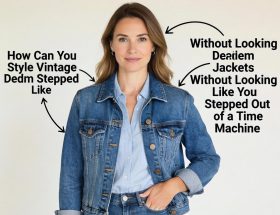

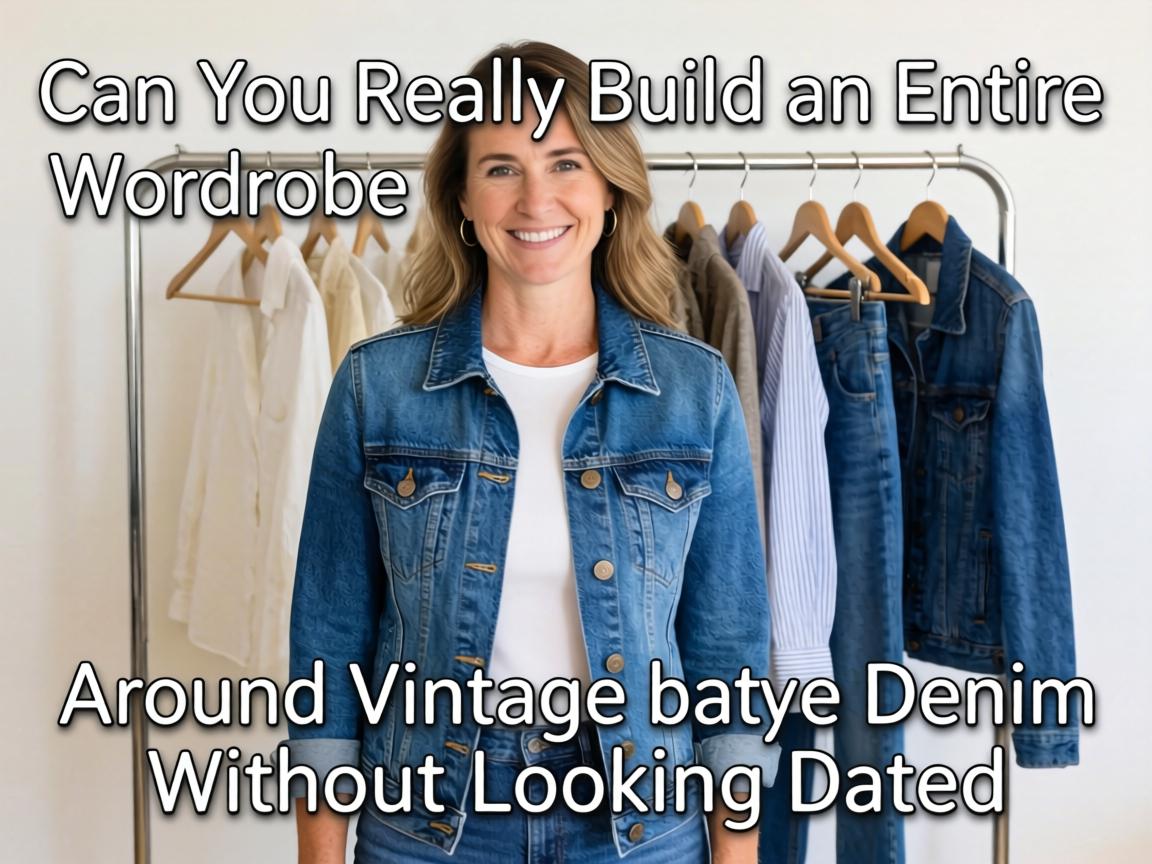

Okay, guys, let’s be real—when was the last time you actually found a pair of vintage Levi’s
that fit your waist and hips in that magical way modern jeans never seem to manage? If you’re scrolling through Depop
at 2am hunting for the perfect high-waisted 501s
, you’re definitely not alone. The vintage denim trend
has completely taken over fashion TikTok, and suddenly everyone’s obsessed with thrifted jeans
, distressed finishes
, and that perfectly worn-in indigo wash
that you just can’t fake with artificial rips.But here’s what I think. We’ve been through so many denim eras, right? The skinny jean
dominance that lasted basically a decade. The brief but intense jeggings
moment that nobody wants to discuss. Then wide-leg
came back, then baggy
, and now we’re somehow simultaneously embracing straight-leg
, bootcut
, and flare
all at once. It’s a lot to track. And yet… there’s something about vintage denim
that feels different from just another trend cycle. Maybe because it’s literally already survived previous decades?A lot of people ask me whether buying secondhand jeans
is actually worth the hassle. Like, sure, the sustainability
angle feels good, but what about the weird smells, the unpredictable sizing, the mystery stains? From my view, those concerns are totally valid, but they’re also… manageable? The vintage shopping
experience has evolved way beyond dusty thrift store bins. We’re talking curated vintage boutiques
, authenticated resale platforms
, and even AI-powered sizing tools
that help predict fit based on measurements.So what does this mean for the season? It means denim
is having this weird identity crisis where it’s simultaneously nostalgic and futuristic. We’re seeing designer brands
like Gucci
and Prada
releasing jeans that look like they came from a 1978 time capsule, complete with orange contrast stitching
and leather patches
. Meanwhile, TikTok fashion
is pushing DIY distressing
and custom embroidery
on actual vintage finds. The lines are blurring between authentic old and intentionally made-to-look-old.You might be wondering how to actually style these pieces without looking like you’re wearing a costume. Keep reading, because I’ve been experimenting with this for months and have some thoughts on what works versus what definitely doesn’t.First, the fit question is everything.
Most people don’t notice that vintage denim sizing
runs completely differently from modern vanity sizing. A tagged 28-inch waist
from the 90s might actually measure 25 inches. The rise
is usually higher—like, actually at your natural waist, not that weird mid-rise zone that cuts you in half. And the 100% cotton
composition means zero stretch, which… honestly? Your body has to adjust. The first wear feels like armor. The tenth wear feels like they were custom made for you.But let’s be real. That breaking-in period is not for everyone. If you need instant comfort
, vintage might frustrate you. The rigid denim
doesn’t forgive. It doesn’t mold to your body immediately. Some people love that commitment; others want the stretch blend
that modern jeggings
offered. Neither is wrong, but they’re definitely different experiences.Here’s my comparison of vintage versus modern approaches:
| Feature | Authentic Vintage | Vintage-Style New | My Take |
|---|---|---|---|
| Fabric
|
100% cotton
, rigid, ages beautifully |
Cotton blends
, pre-softened, consistent |
Vintage wins on character, modern wins on immediate comfort |
| Fit
|
High waist, straight leg, zero stretch | “Vintage-inspired” cuts with 2% elastane | Depends on your body type and patience level |
| Price
|
$40-$120
depending on rarity |
$80-$300
for designer repros |
Vintage is cheaper but requires more hunting |
| Sustainability
|
Zero new production impact | Varies by brand ethics | Authentic vintage is the clear winner here |
| Availability
|
Limited sizes, requires search | Full size ranges, instant gratification | Modern is easier, vintage is more rewarding |
Now, about that “dated” concern.
I keep seeing comments like “I love vintage but I don’t want to look like I’m stuck in the past.” Fair. The trick, from my view, is mixing eras rather than committing to one. Pair your 90s straight-legs
with a cropped 2020s blazer
. Throw on vintage 501s
with modern minimalist sneakers
instead of retro boots
. The contrast keeps it fresh. It’s about timeless pieces
meeting current styling
, not full period costume
.The wash and distressing conversation is interesting too.
This season, we’re seeing dark indigo
come back strong after years of acid wash
and bleached
dominance. Raw denim
is having a moment among fashion people who want to create their own wear patterns
—like, actually breaking in jeans personally rather than buying pre-distressed. It’s a commitment. You can’t wash them for months. They get kind of gross. But the fade patterns
that develop are genuinely unique to your body and movements.A lot of people ask whether distressed vintage
is better than distressed new
. Honestly? Authentic wear
from actual use looks different from factory distressing
. The whiskering
at the hips, the frayed hems
from actual walking, the thigh fades
—they tell a story. Factory distressing often looks… too uniform? Too intentional? It’s the uncanny valley
of denim.What about the investment angle?
Here’s where I pause. Some vintage dealers
are charging $300+
for Levi’s 501s
from specific decades. Is that… reasonable? From my view, only if you’re collecting or if those specific jeans have rare details
—like redline selvedge
or big E tags
. For everyday wear, you can absolutely find great vintage denim
under $100
. Don’t let the resale market
convince you that basic vintage requires a luxury budget. Thrifting
still exists. Estate sales
still exist. The hunt
is part of the process.My honest styling tips:
The oversized denim jacket
from the 80s or 90s is maybe the most versatile vintage piece you can own. Layer it over slip dresses
, tailored trousers
, leggings
—literally everything. The boxy silhouette
that’s trending right now? Vintage jackets already have that. You don’t need to buy a designer repro
for $600
.For jeans, the high-rise straight leg
is the safest entry point. It works with cropped tops
, tucked-in blouses
, oversized sweaters
. The flare
and bootcut
are more statement-making, more 70s revival
, which is fun but less versatile. And wide-leg vintage
from the 90s? Honestly, it’s perfect for the current minimalist
mood. Very Calvin Klein 1994
, very Kate Moss off-duty
.You might be wondering about care and maintenance
. Vintage 100% cotton
denim requires… not much, actually. Wash cold, hang dry, spot clean when possible. The less you wash, the longer they last. This is the opposite of fast fashion
logic where everything falls apart after five washes. These jeans were built for workwear
, for durability
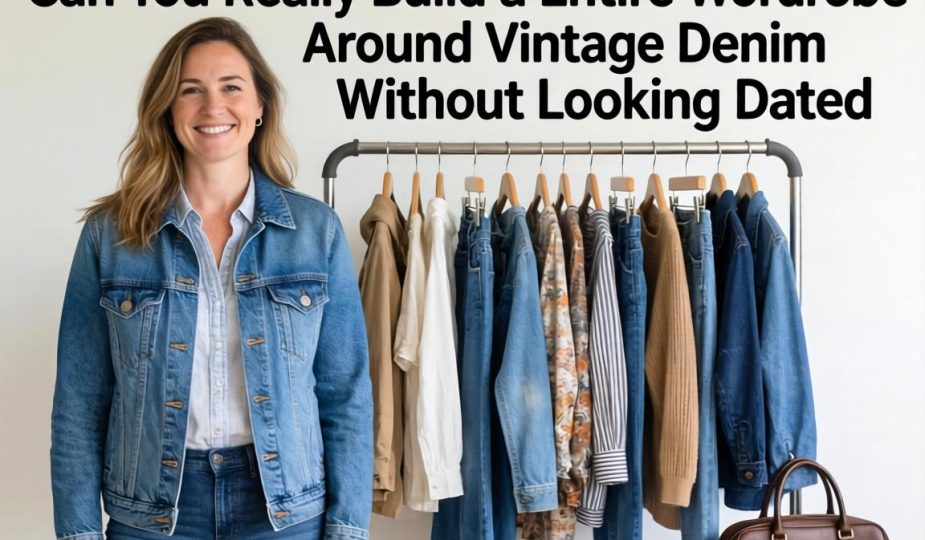
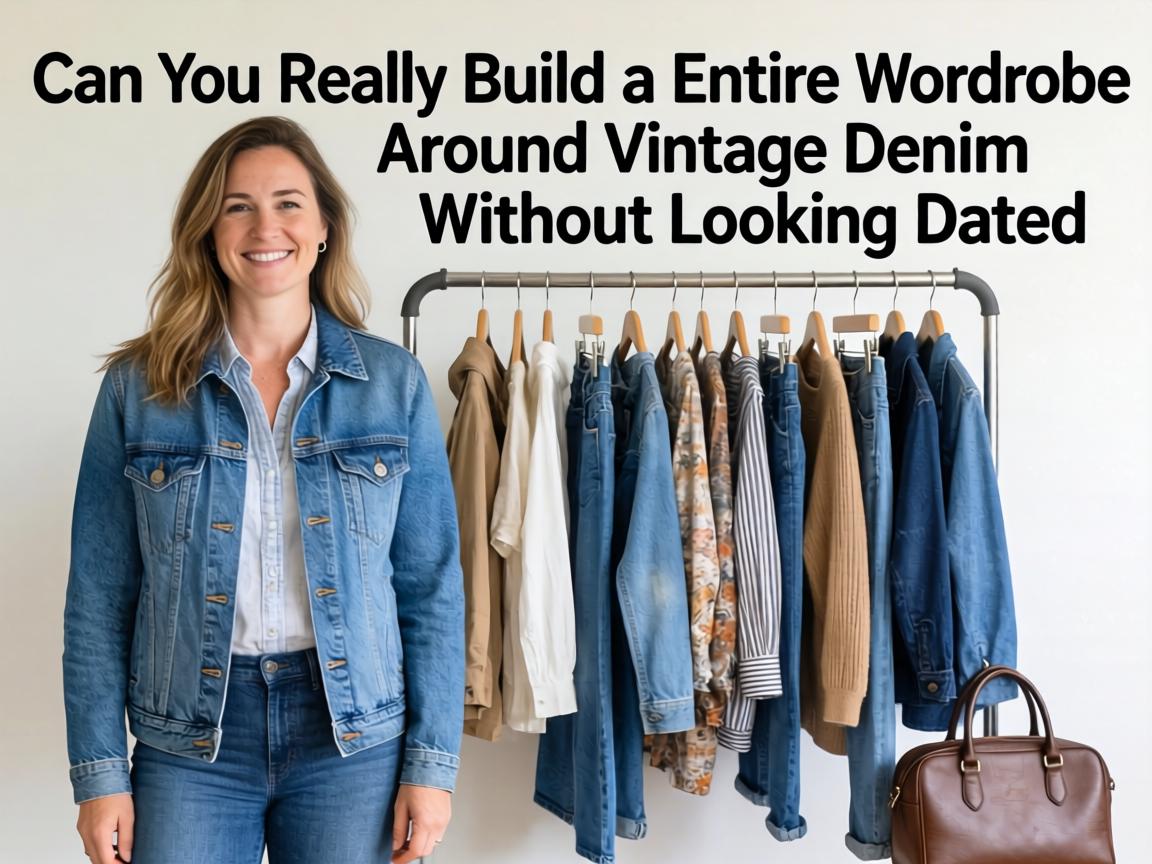
. They can handle your desk job.So… can you build a wardrobe around vintage denim without looking dated? Absolutely. But it requires curation
, not just accumulation. Pick pieces that fit well—really well—and style them with modern elements
. Don’t try to recreate a full vintage look
unless that’s genuinely your aesthetic. Mix and match. Let the denim be the timeless foundation
while everything else moves around it.What does this mean for the season? It means sustainability
and style
aren’t mutually exclusive. It means quality over quantity
isn’t just a buzzword. And it means your thrift store
habit is actually… ahead of the curve? Keep hunting. The perfect pair is out there.