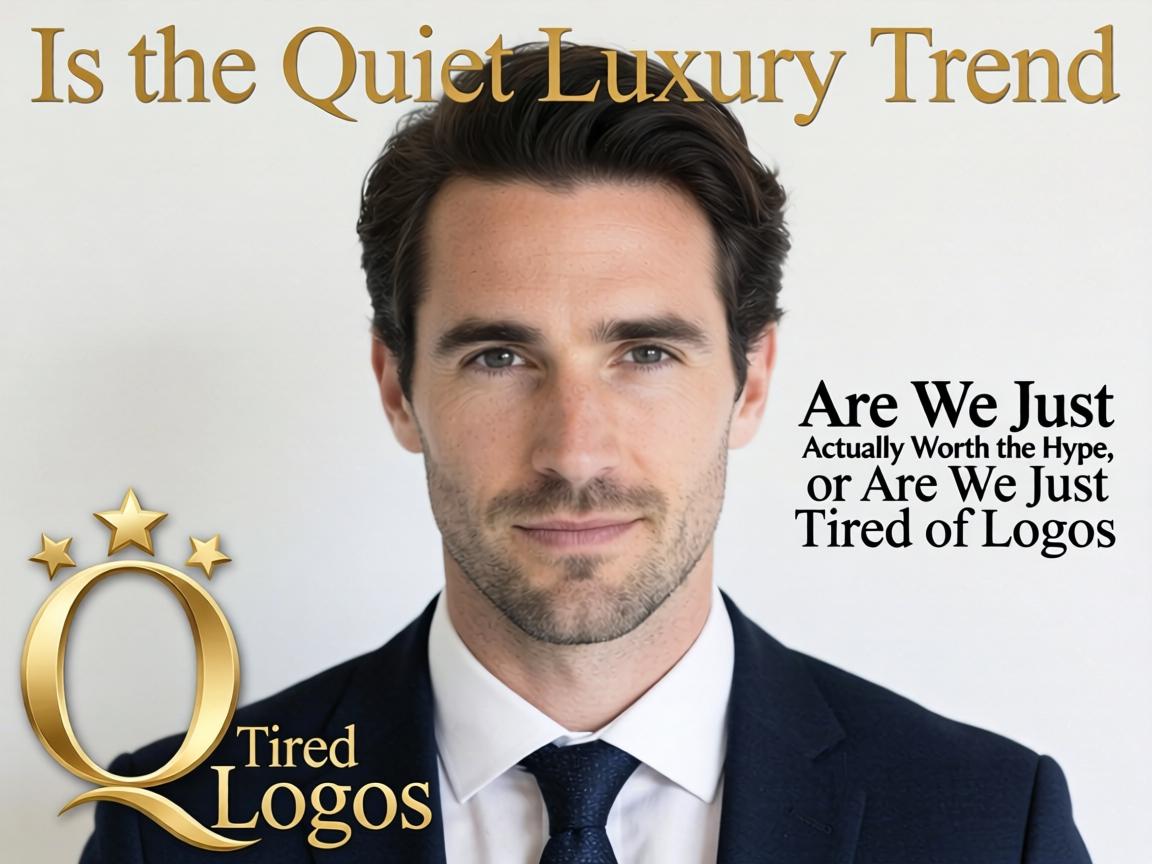
So here’s the thing—every time I open my Instagram feed lately, it’s all beige cashmere, unstructured blazers, and absolutely zero visible branding. Quiet luxury
has basically swallowed fashion whole in 2024, and honestly? I had to ask myself whether this is a genuine shift in how we want to dress, or if we’re all just burned out from years of screaming logos and TikTok micro-trends.You might be wondering what actually counts as quiet luxury. From my view, it’s that $2,400 The Row coat
that looks like it could be vintage, or those Loro Piana loafers
that feel like walking on clouds but barely whisper wealth. It’s investment dressing without the flex. And guys, the data is wild—searches for “minimalist designer bags” jumped 340%
last quarter according to Google Trends. That’s not nothing.But let’s be real for a second. A lot of people ask me whether this trend is actually accessible, or if it’s just rich people cosplaying as understated rich people. Fair question. Here’s what I think: quiet luxury works best when it focuses on material quality
and timeless silhouette
rather than price tag alone. You can find that merino wool knit
at Uniqlo that drapes almost as beautifully as the designer version. Most people don’t notice the difference in fiber micron count anyway.What does this mean for the season? Actually, everything. The Spring 2024 runways from Phoebe Philo’s return collection
to Bottega Veneta’s soft leather volumes
proved that restraint is the new rebellion. Think about it—after years of logomania
and hypebeast culture
, dressing like you don’t need validation feels almost radical.You might be wondering if quiet luxury is just boring minimalism rebranded. I had the same thought. But keep reading, because the difference matters. Minimalism in the 2010s was about aesthetic purity—white boxes, empty spaces, emotional distance. Quiet luxury in 2024 is warmer, more tactile. It’s that slightly rumpled linen shirt
that cost $400 but looks like you’ve owned it forever. It’s emotional, actually. There’s a story in the wear patterns.Here’s where it gets interesting. I keep seeing this comparison everywhere, so let me break it down simply:
| What People Think | What’s Actually Happening |
|---|---|
| No logos = affordable | Actually, invisible luxury often costs more |
| Neutral palette = safe | It’s harder to hide cheap construction in beige |
| Classic = boring | These pieces photograph incredibly well |
From my view, the smartest approach isn’t going full stealth wealth
overnight. That feels performative, and honestly? A bit try-hard. Instead, I’m mixing one or two investment quiet pieces—maybe that perfectly cut navy trouser
or a cashmere crewneck in oatmeal
—with whatever else feels authentic to you. The goal isn’t to look like you have a trust fund. It’s to look like you’ve figured something out about personal style that doesn’t require constant validation.You might be wondering if this trend will last. Most fashion cycles burn out in 18 months, but here’s what I think—quiet luxury taps into something deeper than aesthetic fatigue. It’s a reaction to economic uncertainty
, to climate anxiety
, to the exhaustion of always needing to signal something. A well-made camel coat
doesn’t go out of style because it was never really in style. It just… exists beautifully.A lot of people ask me about the best entry points without dropping four figures. Honestly? Start with accessories. That structured leather belt
or simple gold hoops
from a mid-range designer. The materials matter more than the label. I’ve seen $80 linen pants
from Zara that capture the vibe better than some $600 versions because the cut was right. Fit is everything in quiet luxury. You can’t fake tailoring.What does this mean for how we shop this year? I think we’re moving toward slower acquisition
. Buying less, but lingering over each purchase. That sounds like marketing speak, but let’s be real—when you save for that perfect trench coat
, you wear it differently. You care for it differently. Most people don’t notice the psychological shift, but it’s there.The counter-argument, of course, is that quiet luxury is just another form of class signaling—just more insidious because it requires cultural capital
to recognize. The Row bag
versus the Zara dupe
. The vintage Cartier
versus the new Mejuri
piece. You have to know to know. And maybe that’s the point? Maybe after years of obvious wealth display, the new flex is being in the club that recognizes the unbranded excellence
?I don’t have a perfect answer. What I do know is that getting dressed this morning, I reached for that oversized white shirt
I’ve had for five years—slightly yellowed at the collar, soft from washing, absolutely anonymous—and felt more confident than in any logo piece I’ve owned. That has to mean something.Keep reading the blogs, sure. But trust your own mirror more than the mood boards.