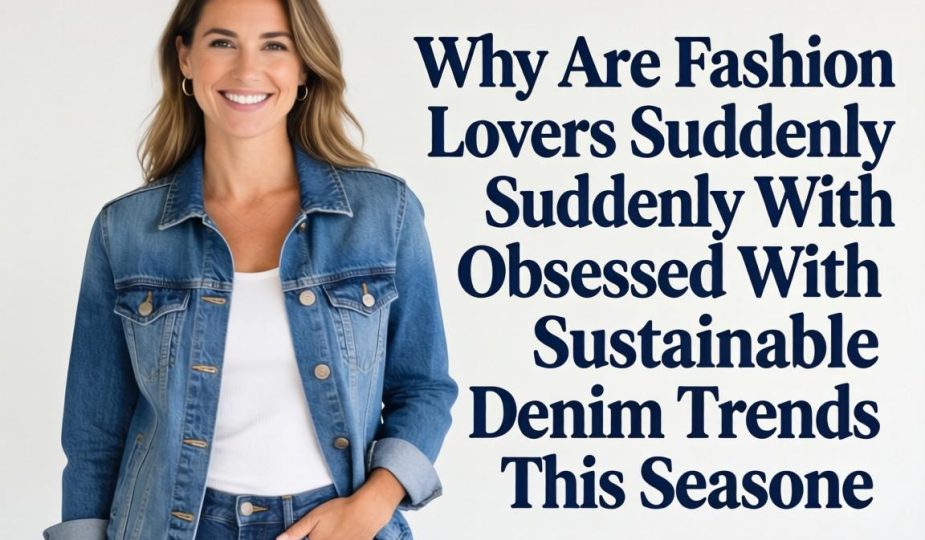
Guys, let’s be real—have you noticed how every fashion influencer on your feed is suddenly talking about sustainable denim? Like, literally everywhere I scroll, someone’s showing off their vintage Levi’s or raving about some eco-friendly brand I’ve never heard of. What does this mean for the season, and more importantly, should you actually care?A lot of people ask me whether this sustainable denim thing is just another marketing buzzword or if there’s something real happening here. From my view? It’s both, honestly. The fashion industry loves a good trend label, but the numbers don’t lie. Sustainable denim production uses up to 90% less water
compared to traditional methods, and that’s not just PR fluff—that’s actual data coming out of manufacturing reports.You might be wondering why denim specifically became the poster child for sustainability. I mean, we could talk about organic cotton tees or recycled polyester all day, but denim? That’s where the real shift is happening. Keep reading, because here’s what I think: denim is universal. Everyone owns jeans. So when brands start changing how they make the most common item in your closet, it actually moves the needle.Let’s break this down with some real talk. Most people don’t notice the difference between regular and sustainable denim at first glance, and that’s kind of the point. The technology has gotten so good that eco-friendly jeans look and feel identical—sometimes better, actually.
| Feature | Traditional Denim | Sustainable Denim |
|---|---|---|
| Water Usage | ~7,500 liters per pair | ~1,000 liters per pair |
| Chemical Dyes | Heavy synthetic use | Natural or low-impact dyes |
| Lifespan | Average 2-3 years | Often 5+ years with proper care |
| Price Point | $40-80 typically | $80-150 typically |
So here’s the question I keep getting: is the higher price worth it? Personally? I used to be skeptical. I thought, “Why would I spend $120 on jeans when I can get three pairs at a fast fashion store?” But then I did the math. Those cheap jeans? They fade weird, the seams pop after six months, and you’re back buying more. The sustainable pair I bought two years ago? Still my go-to. Still holding their shape.Now, what about styling? You might be thinking sustainable equals boring, right? Like, just basic blue wash and nothing interesting? That’s… not really accurate anymore. The brands killing it right now—I’m talking about labels like Nudie, Reformation, and even Levi’s with their Water
is replacing chemical washes. Hemp-cotton blends
are becoming mainstream instead of niche. And rental denim services—yeah, that’s a thing now—are popping up for people who want variety without the closet clutter.Most people don’t notice how fast this landscape is shifting, but if you pay attention to fashion week coverage or even just scroll TikTok, you’ll see it. The conversation has changed from “Where did you get that?” to “How was that made?” And that’s… actually kind of refreshing?Let’s be real, though. Not every brand claiming to be sustainable actually is. Greenwashing is real, and it annoys me when I see it. Look for certifications like GOTS (Global Organic Textile Standard)
or OEKO-TEX
. Check if the brand publishes actual impact reports, not just vague promises. If they’re transparent about their supply chain—like, actually naming their factories—that’s usually a good sign.So, why are fashion lovers obsessed right now? I think it’s because sustainable denim represents something we all kind of want: clothes that look good, feel good, and don’t make us feel guilty. It’s that simple. We’re tired of disposable fashion. We want pieces with stories, with longevity, with actual craftsmanship.From my view, this isn’t a trend that’s going away. The infrastructure is being built, the technology is improving, and consumer expectations are shifting. In five years, I honestly believe “sustainable” won’t even be a separate category—it’ll just be how denim is made. Period.You might be wondering if you should jump on this now or wait. My advice? Start exploring. Try one pair. See how it feels. Worst case, you have great jeans. Best case, you never go back to the cheap stuff. Either way, your closet—and honestly, your daily getting-dressed routine—will thank you.