Guys, let’s be real—when did buying premium denim
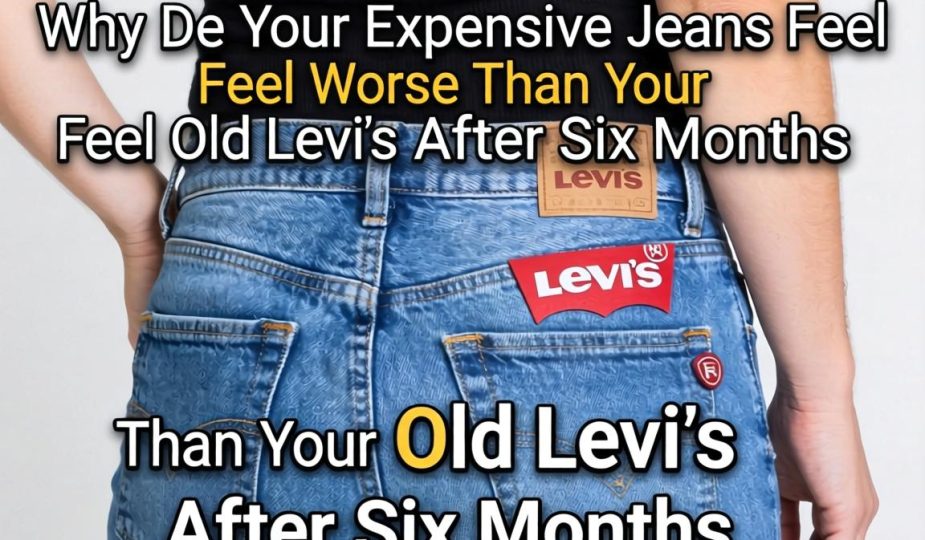
become such a gamble? I remember saving up for my first pair of $200+ jeans, convinced they’d change my life. Better fit, better fabric, better everything. Six months later? The knees were baggy, the waist stretched weird, and I was reaching for my beat-up vintage Levi’s
instead. What gives?If you’ve been down the rabbit hole of raw denim, Japanese selvedge, or designer jeans
, you might be wondering why the expensive stuff sometimes disappoints harder than mall brands. A lot of people ask me whether price actually correlates to longevity in denim anymore. What does this mean for the season? Well, keep reading, because I’ve been stress-testing pairs side-by-side and the truth is messier than those indigo dye transfers on your white sneakers.So here’s what happened. I bought three pairs around the same time: one $280 Japanese raw denim
, one $180 “premium” mall brand
, and one $90 vintage Levi’s
from a thrift store. My hypothesis? The expensive pair would win by miles. Reality? After four months of actual wear—commuting, sitting at desks, occasional spillage—the vintage Levi’s looked basically the same. The raw denim? Still stiff, still trying to “break in,” and honestly starting to feel like a part-time job.From my view, we misunderstand what makes denim last. It’s not always the price tag. It’s the weight, the weave tension, and whether the brand actually expects you to wear them hard.
Most people don’t notice that luxury denim is often designed for appearance first, durability second. Those super-soft premium jeans? Usually over-sanitized, over-stretched, ready to collapse after twenty washes.You might be wondering about the whole “don’t wash your raw denim” thing. Here’s what I think: that advice works for denim collectors
, not denim wearers. If you’re buying jeans to live in—to actually move, sweat, exist in them—waiting six months to clean them is absurd. And yet, that’s the care instructions for most expensive pairs. The vintage Levi’s? I wash them whenever. They don’t care. They’ve seen things.
| Denim Type | Break-in Period | Longevity Reality | Maintenance Anxiety |
|---|---|---|---|
| Raw/Selvedge | 2-6 months | High if babied | Extreme |
| Premium Soft | None | Medium (sags fast) | Medium |
| Vintage/Mid-weight | Immediate | Surprisingly high | Low |
See, I think the break-in period is where a lot of expensive jeans lose people. What does this mean for the season? Maybe we stop fetishizing discomfort. A lot of people ask if they need to “earn” their denim through months of suffering. I say no. Good jeans should feel good now
, not promise goodness later. That future-perfect pair is often just… future disappointment.Let’s talk about stretch. This is controversial, but here’s what I think: a little elastane isn’t evil
. The denim purists will come for me, but my 1-2% stretch jeans keep their shape longer than 100% cotton pairs that bag out at the knees. The key is how much stretch. Above 3%? You’re buying leggings with denim aspirations. Below 1%? Enjoy your cardboard phase. Most people don’t notice the difference between “premium rigid” and “just uncomfortable.”From my view, the real issue is inconsistent sizing across price points
. That $280 pair? Sized for someone who never sits down. The waist fits standing, strangles sitting. The vintage Levi’s? Sized for humans. Room to breathe, room to eat lunch. I think we confuse “good fit” with “tight fit” when shopping expensive denim. Tight isn’t tailored. It’s just tight.You might be wondering if I’m anti-investment denim now. Not exactly. I still think construction details matter
—reinforced pockets, chain-stitched hems, quality hardware. But I’ve found those details on $120 pairs as often as $300 ones. The price jump often pays for branding, not better thread counts. Let’s be real, that little red tab or leather patch costs pennies to make but adds dollars to the tag.What about sustainability? This is where expensive jeans usually win the argument. Ethical manufacturing, organic cotton, fair wages
—all worth paying for. But here’s the catch: unsustainable jeans that last five years might beat “sustainable” jeans that last one. The most eco-friendly purchase is the one you don’t replace. From my view, longevity is sustainability. Everything else is marketing.So why do expensive jeans sometimes feel worse? I think it’s mismatched expectations
. We buy premium hoping for perfection, but denim is imperfect by nature. It fades, it stretches, it tells stories. The vintage Levi’s work because they already have stories. We don’t expect them to stay pristine. The expensive pair feels like failure when it changes because we paid for it to stay the same.My current approach? I hunt for mid-weight vintage or reproduction styles
in the $100-150 range. Heavy enough to last, broken-in enough to wear immediately, cheap enough to not cry over coffee stains. I have one “fancy” pair for dinners where I mostly stand. The rest? Workhorses that don’t demand my emotional energy.What does this mean for your next denim purchase? Maybe permission to ignore the hype. From my view, the best jeans aren’t the ones with the most impressive origin story. They’re the ones you reach for without thinking. The ones that fit your actual life, not your aspirational one. Sometimes that’s $300 Japanese craftsmanship. Sometimes it’s $40 thrifted 501s. The price isn’t what makes them yours.