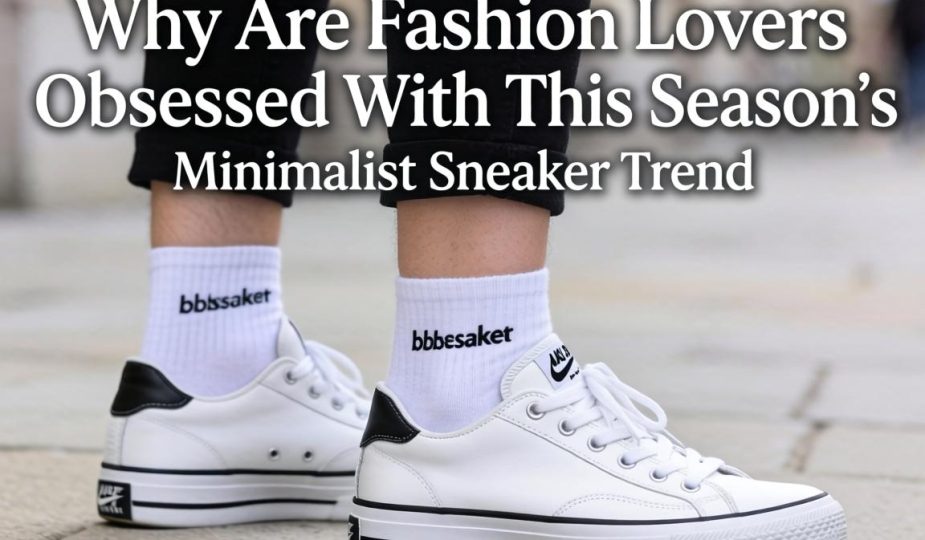
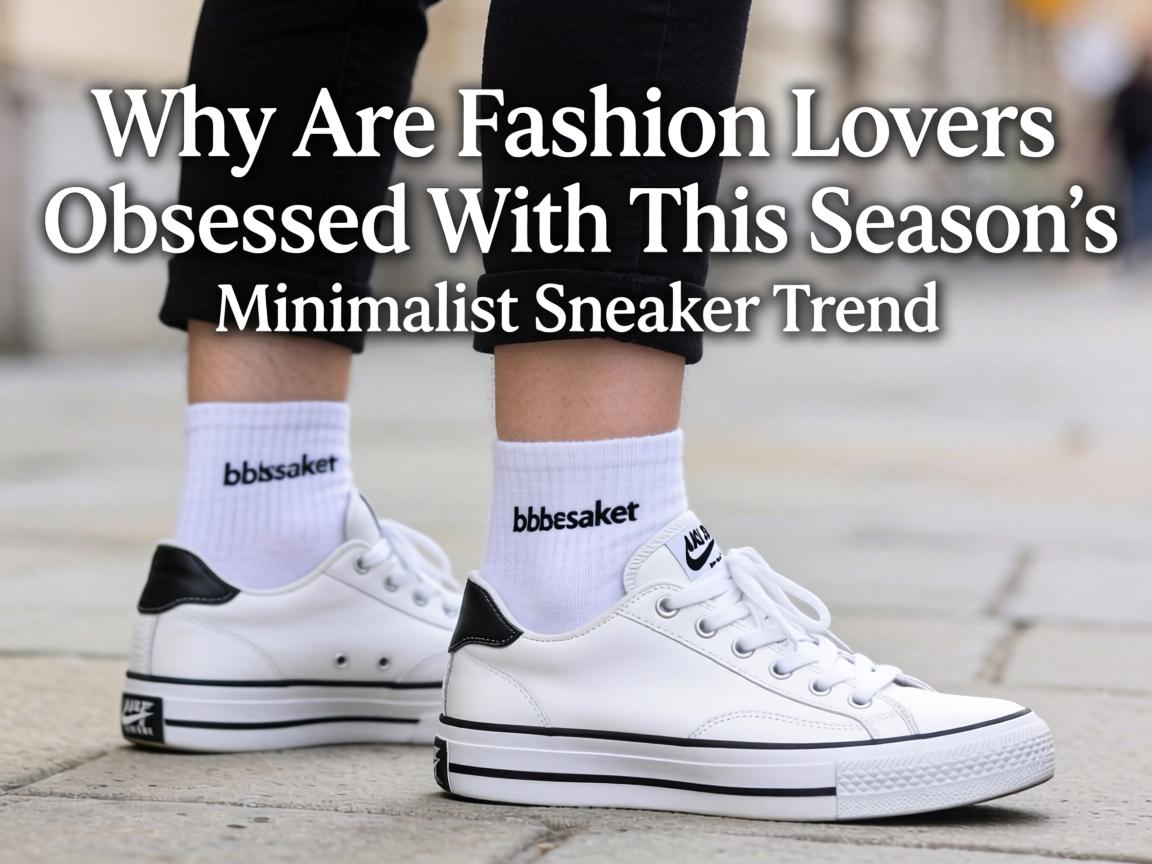
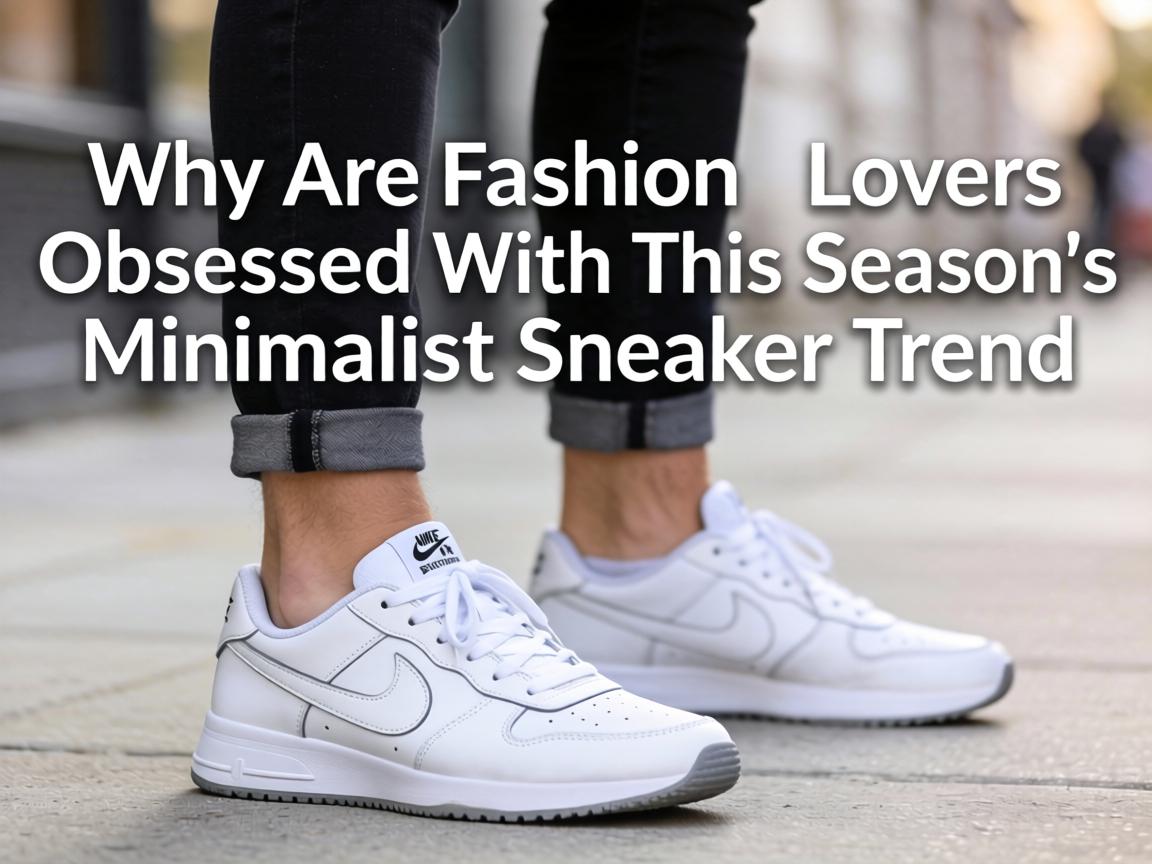
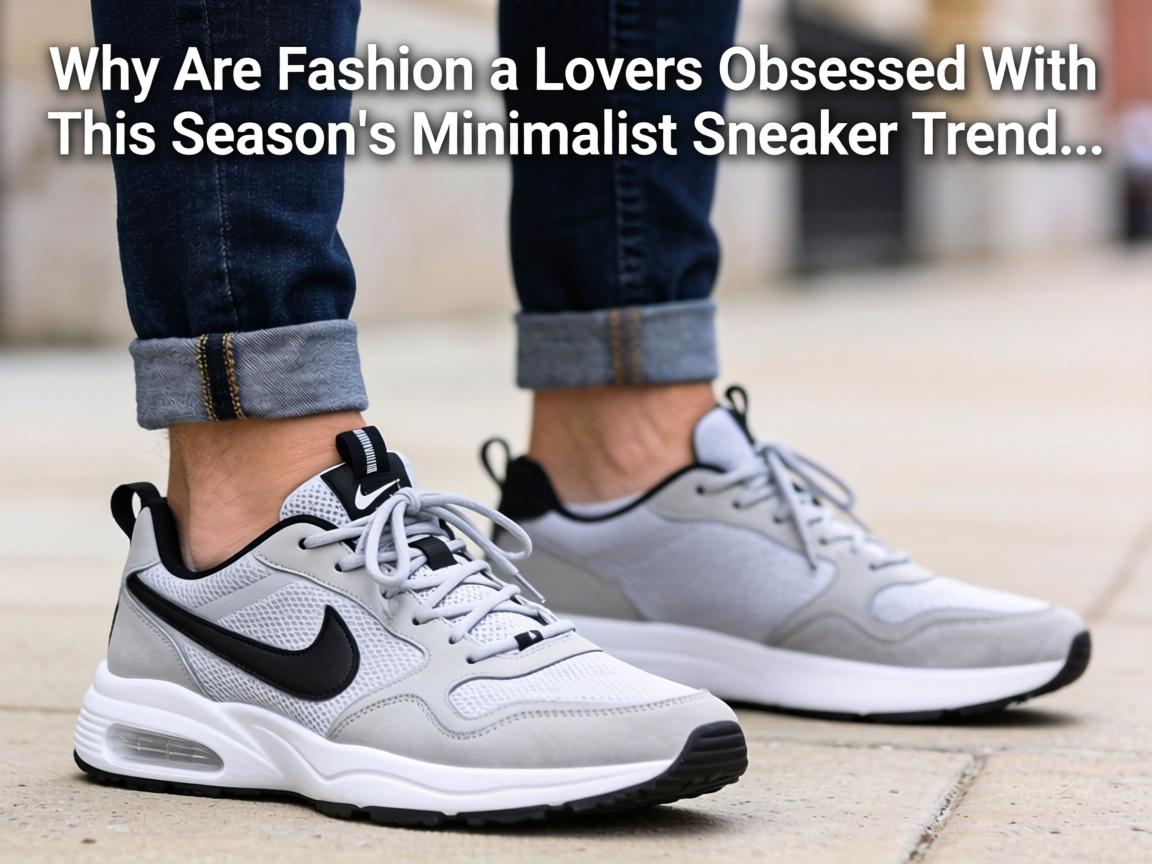
Guys, let’s be real—have you noticed how everyone’s suddenly ditching those chunky, over-designed sneakers for something way cleaner? I’ve been scrolling through my feed lately and honestly, the shift is impossible to ignore. Minimalist sneakers
, quiet luxury aesthetics
, and capsule wardrobe staples
are absolutely dominating right now. But what does this actually mean for the season, and more importantly, for your closet?A lot of people ask me whether this trend is just another fleeting moment or something worth investing in. From my view? It’s sticking around. The fashion world has been screaming “less is more” for a while now, and footwear is finally catching up. We’re talking about sleek leather finishes
, neutral color palettes
, and silhouettes that somehow work with literally everything you own.So here’s what I think—this isn’t just about looking good. It’s about that effortless French-girl style
everyone keeps pinning but never quite achieves. You know the vibe: white leather trainers
, beige loafers
, soft suede slip-ons
. Pieces that whisper instead of shout.You might be wondering, “Okay, but which brands are actually worth it?” Fair question. Let me break it down real quick:
- Common Projects
still reigns supreme for that clean 90s aesthetic
, though the price tag stings
- Veja
has become the go-to for sustainable fashion
enthusiasts who want ethics without sacrificing style
- New Balance 550
in white-on-white? Unexpectedly perfect for that normcore revival
happening right now
- Adidas Samba
—yeah, I know, basic—but hear me out, the retro sportswear
angle is genuinely versatile
Most people don’t notice how much shoe silhouette
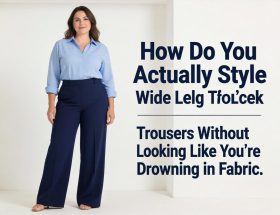
affects your entire outfit proportion. Like, genuinely. A bulky sneaker can make wide-leg trousers look sloppy, but something slim and minimal? Suddenly you’ve got that elevated casual
thing going on. It’s subtle, but it matters.I’ve been experimenting with this myself. Swapped my usual chunky dad shoes for a pair of off-white leather sneakers
last month, and the difference in how my outfits photograph… wild. Everything looks more intentional. More expensive, somehow, even when I’m wearing the same jeans I’ve had for three years.Let’s talk materials for a second, because this is where it gets interesting. Full-grain leather
ages beautifully—that patina development
over time is basically free character for your shoes. Canvas is lighter and more summer-appropriate
, but it shows dirt faster. Suede? Gorgeous, but high maintenance. You’re committing to protective spray
and careful storage if you go that route.What does this mean for the season specifically? Spring and summer 2026 are leaning hard into quiet confidence
. We’re past the era of logos screaming across your chest. Now it’s about investment pieces
that last, that mix, that don’t fight with each other in your wardrobe.Here’s a quick comparison I put together based on what I’ve actually worn and tested:
| Feature | Classic Leather Minimalist | Canvas Low-Top | Retro Sport Minimal |
|---|---|---|---|
| Versatility
|
10/10 | 7/10 | 8/10 |
| Durability
|
9/10 | 5/10 | 7/10 |
| Summer Breathability
|
6/10 | 9/10 | 7/10 |
| Price Range
|
$200-400 | $60-120 | $80-150 |
| Best For
|
Office-to-drinks
|
Weekend errands | Street style
content |
Keep reading, because I want to address something important. A lot of you message me about sizing inconsistencies
in these popular minimalist brands. Common Projects runs large—like, half to full size. Veja’s V-10 fits narrow, so if you’ve got wider feet, size up or try the V-12 instead. New Balance 550 is pretty true to size, maybe slightly roomy.You might be wondering if you need to drop serious cash to participate in this trend. Honestly? No. Uniqlo
has decent minimalist leather sneakers
around $50. Zara
copies the aesthetic well enough for a season or two. But if you’re building a capsule wardrobe
and want something that survives daily wear? The investment pieces start making sense after your third replacement pair of budget options.From my view, the real appeal here is decision fatigue reduction
. When your shoes work with 90% of your clothes, mornings get easier. You’re not standing there wondering if those neon trainers clash with your outfit. They probably do. Minimalist sneakers don’t—they just work.I’ve noticed something else too. This trend connects to that bigger slow fashion
movement everyone’s talking about. Buying less, choosing better. A $300 pair of sneakers you wear 200 times is cheaper per wear than three $100 pairs you cycle through and replace. The math checks out, even if the upfront cost feels scary.So, final thoughts? This minimalist sneaker thing isn’t just aesthetic—it’s practical. It’s timeless style
disguised as a trend. And honestly, that’s the best kind of trend to follow.