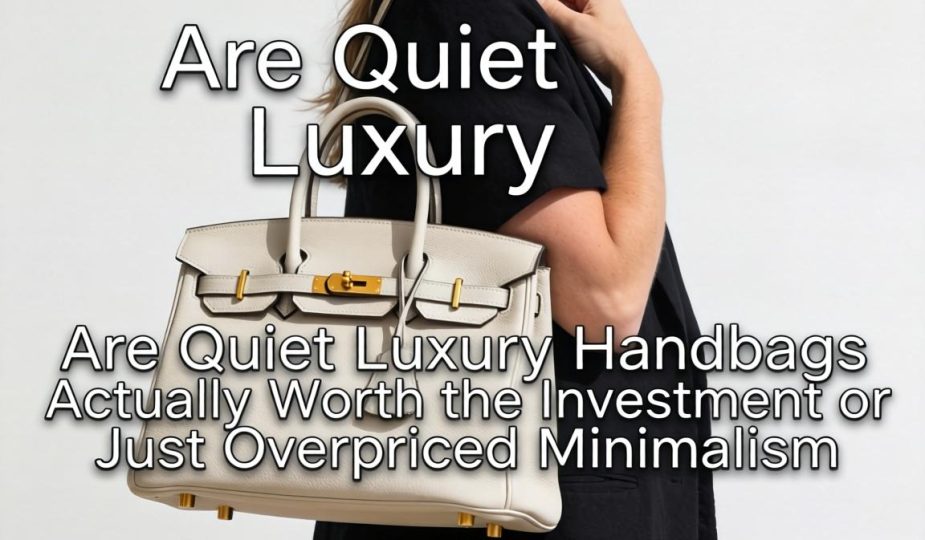
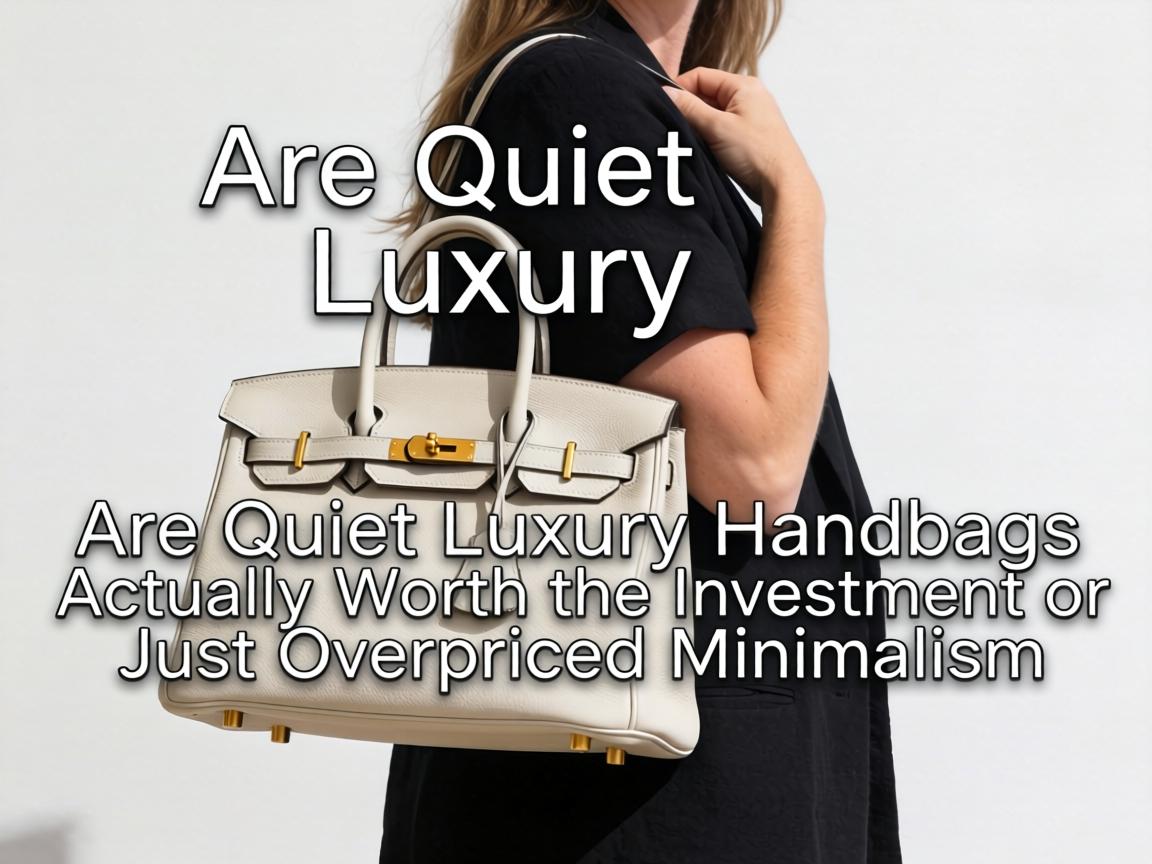
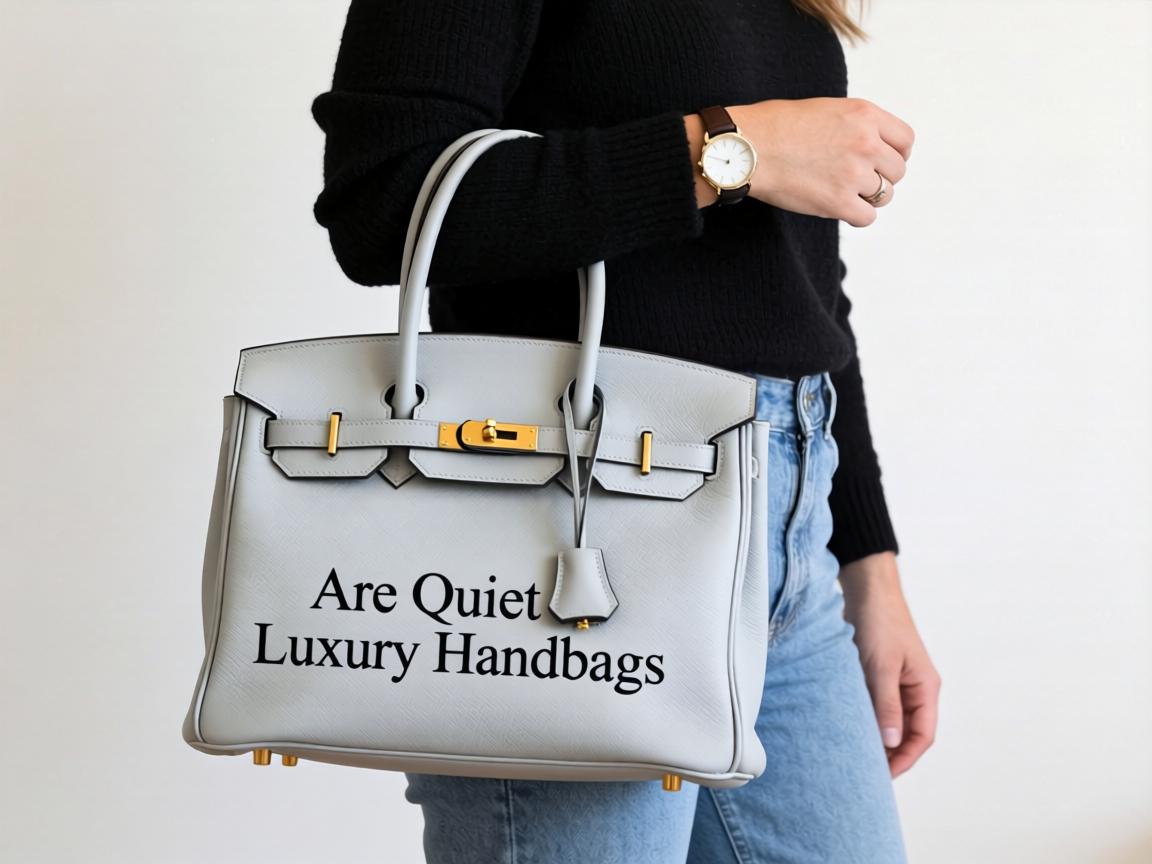
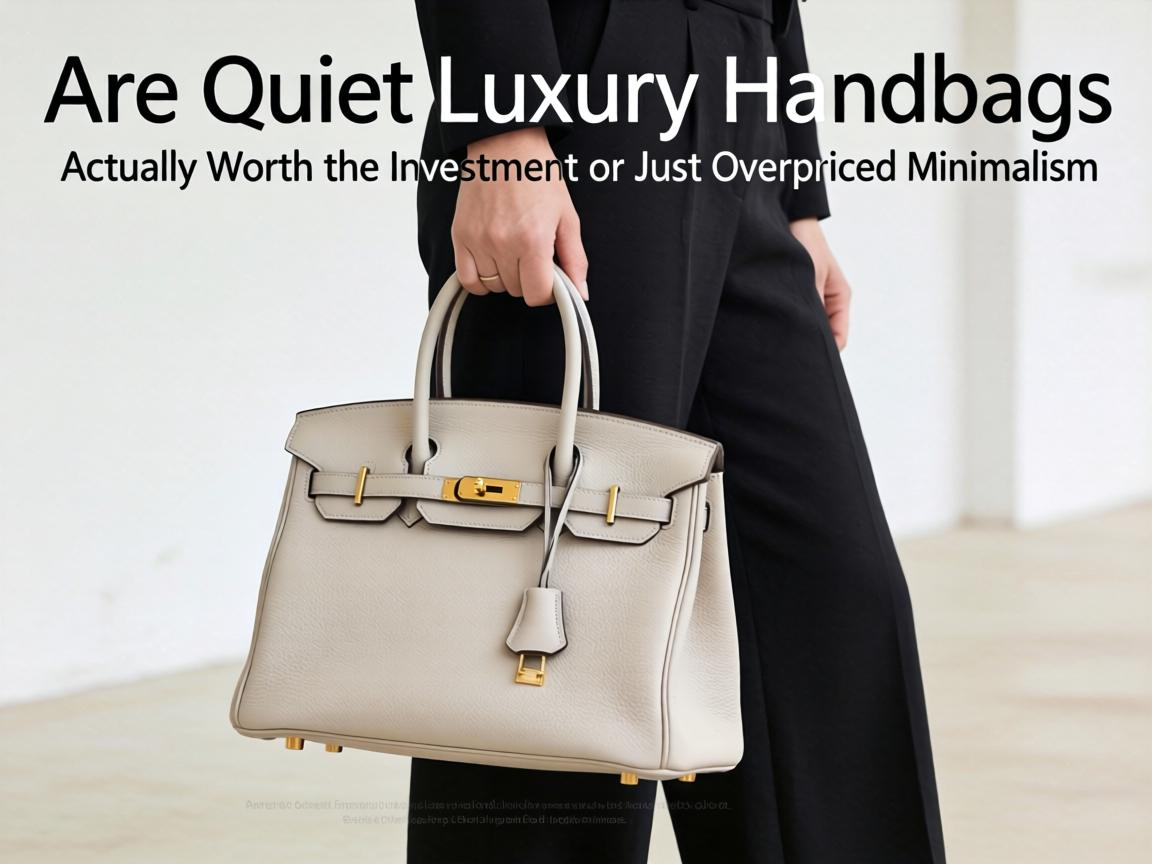
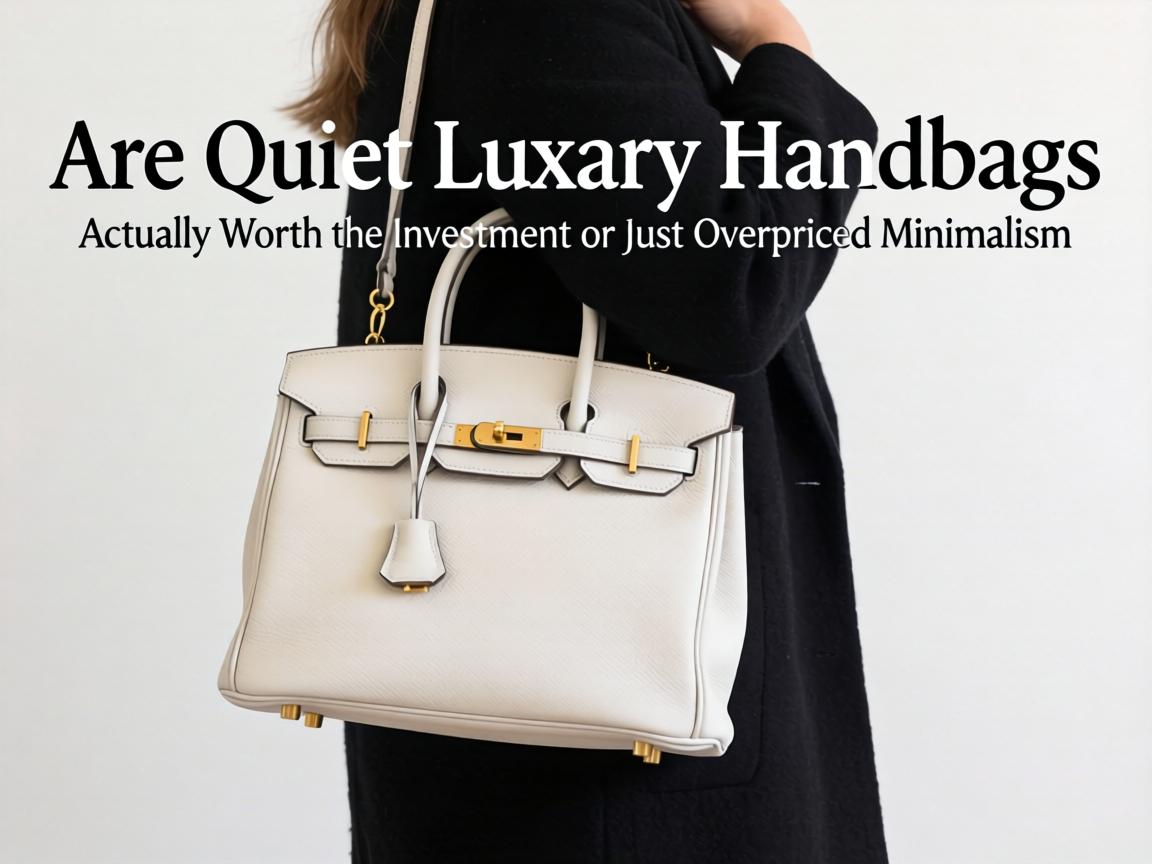
Guys, let’s be real—when you scroll through your feed lately, what do you see? No logos, no monograms screaming for attention, just… shape. Texture. That perfect slouch. Quiet luxury handbags
have completely taken over the conversation, and I’m honestly conflicted about whether this is genuine sophistication or just another way to charge premium prices for empty minimalism. From my view, the investment bag
market has never been more confusing, especially when everyone’s suddenly pretending they never liked obvious branding anyway.You might be wondering if this shift happened organically or if it’s just clever marketing. I think about that a lot, actually. Remember when logomania
dominated everything? Now those same influencers are posting “stealth wealth” aesthetics with bags that cost twice as much but show… nothing. What does this mean for the season? It means understated elegance
is the new status symbol, but the price tags are anything but quiet.A lot of people ask me whether these bags actually hold value better than their flashy counterparts. Here’s what I think: the resale data is surprising. The Row’s Margaux
, Khaite’s Elena
, Totême’s T-Lock
—these aren’t just selling out, they’re commanding above-retail prices on secondary markets. Compare that to heavily logoed pieces from the same price bracket that depreciate immediately. There’s something real happening here.Let me break down what you’re actually paying for:Construction Quality
- Traditional luxury: heavy hardware, obvious stitching, logo placement as design focus
- Quiet luxury: seamless construction, interior finishing, weight distribution
that feels intentional when carried
Material Sourcing
- Logo-heavy bags: often coated canvases, synthetic linings, plastic glazing
- Investment minimalism: full-grain leathers
, suede interiors
, natural edge painting that ages beautifully
But wait… does minimal mean boring? Most people don’t notice that quiet design
actually requires more precision. There’s nowhere to hide flaws when you strip away hardware and logos. Every proportion matters. The way a handle attaches, the exact curve of a base—these details become the entire story
.From my view, the psychology is fascinating. We’re paying more to signal less. It’s anti-status status. The old money aesthetic
without the inherited portfolio. You might be wondering if that’s cynical or brilliant. Honestly? Probably both.Keep reading if you want the actual investment breakdown…The longevity question gets interesting here. I’ve had my The Row bag
for three years now—no protective film, no babying, just use. The leather has developed this rich patina
that no logo bag ever achieves because coated canvases don’t age, they just… wear out. Here’s what I think: true investment pieces should look better at year five than year one. Most logo bags fail this test completely.What does this mean for the season? I’m seeing soft structure
everywhere. Bags that collapse slightly, that show gravity and use, that don’t sit rigidly on shelves like trophies. The Row
, Khaite
, The Attico
, Wandler
—all exploring this lived-in luxury. It’s the opposite of the it-bag
cycle where you replace annually.Let’s be real about the pricing though. These bags aren’t cheap because they’re simple. They’re expensive because small-batch production
, artisan training
, and premium material sourcing
actually cost money. The margin might be similar to logo bags, but the allocation differs—more to craft, less to marketing.A lot of people ask me which specific styles to consider. From my view, look for top-handle silhouettes
with optional straps, neutral palettes
that transcend seasonal trends, and hardware that serves function rather than decoration. The Row’s Soft Margaux 15
hits this perfectly. Khaite’s medium Elena
too. These aren’t trendy shapes—they’re architectural solutions to carrying things.You might be wondering about color choices. Here’s what I think: tan, chocolate, black, cream
. That’s the quiet luxury palette. Maybe a deep burgundy if you’re adventurous. The point is versatility across your wardrobe, not statement-making contrast. These bags should disappear into your outfit while elevating everything else.Most people don’t notice that interior design
matters enormously in this category. When you open a quiet luxury bag, there should be surprise—beautiful lining, thoughtful pockets, maybe a leather-bound mirror. The experience rewards the owner, not the observer. That’s the fundamental shift.From my view, the sustainability angle is underrated here. These bags are designed for decades, not seasons. The cost-per-wear
math actually works if you commit. A $3000 bag worn 200 times yearly for ten years costs $1.50 per use. A $500 trend bag worn ten times before it falls apart? That’s $50 per use. The luxury minimalism makes financial sense if you’re disciplined.What does this mean for the season? I think we’re seeing the end of obvious consumption
as entertainment. The bags that matter now invite questions rather than answering them. Someone has to ask “where’s that from?” rather than reading the answer across your body.Let’s be real one more time—not everyone needs to buy into this. If you love a logo, love it. But if you’re feeling exhausted by trend cycles, if you want wardrobe permanence
, quiet luxury handbags offer something genuine. The investment isn’t just financial; it’s emotional. You’re buying time, essentially. Time not spent shopping for replacements, not tracking resale values, not explaining your choices.From my view, that’s the actual luxury here. Not the leather, not the stitching, but the freedom from constant consumption
. These bags aren’t trying to be your personality. They’re just trying to be useful, beautiful, and present for a very long time. Maybe that’s worth the price.