So here’s the thing, guys — everyone’s talking about quiet luxury
right now. Like, everyone. Scroll through TikTok, flip through Vogue, or even just walk past a Zara window display, and you’ll see it. The beige coats. The cashmere knits. The “I just threw this on but it probably cost more than my rent” energy. But what does this actually mean for the season? And more importantly — is it worth your money?A lot of people ask me whether this trend is just old money aesthetics
repackaged for Instagram. And honestly? Let’s be real — that’s not entirely wrong. The 2024 runways were basically a masterclass in whisper-wealth. Think Loro Piana
, The Row
, Brunello Cucinelli
. No logos. No screaming colors. Just really, really good fabrics and cuts that make you look like you summer in the Hamptons (even if you actually summer at your parents’ house in Jersey).But here’s what I think most people don’t notice — quiet luxury isn’t actually about being quiet. It’s about being loud in a very specific way. It’s signaling wealth without saying it. And that’s… kind of exhausting? Or genius? I’m still deciding.What counts as quiet luxury in 2024?
You might be wondering what pieces actually fit this vibe. From my view, it’s pretty straightforward:• Oversized cashmere sweaters
in oatmeal, camel, or that specific shade of gray that looks expensive for no reason
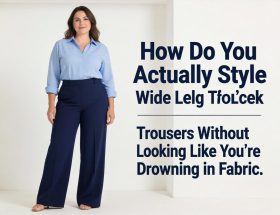
• Wide-leg trousers
that pool slightly at the ankle — bonus points if they’re wool or silk-blend
• Minimalist leather bags
with zero visible branding (but everyone knows it’s The Row or Khaite)
• Clean white sneakers
that cost $400+ but look like they could be from… well, anywhere
• Tailored coats
in neutral palettes that you’ll wear for literally ten yearsThe key here is investment dressing
. That’s the buzzword brands want you to remember. But keep reading, because I’m about to get slightly controversial.The price problem nobody wants to talk about
Okay, so here’s where I get a little stuck. The whole point of quiet luxury is that it’s supposed to be timeless, right? Buy less, buy better, wear forever. That sounds amazing in theory. But in practice? A single quiet luxury outfit can easily run $3,000–$5,000.
I did some digging into what fashion lovers are actually searching for this season. The data is wild — searches for “minimalist capsule wardrobe
” are up 340%
year-over-year. “Neutral color palette outfits
” has seen a 280% spike
. Even “expensive looking basics
” is trending hard. People want this look. They just… can’t always afford the authentic version.And that’s created this fascinating split in the market. You’ve got the authentic quiet luxury
crowd — buying their $1,200 Loro Piana sweaters and genuinely not posting about it. Then you’ve got the accessible quiet luxury
shoppers — hitting up COS, Arket, Everlane, and Uniqlo U to recreate the vibe at 1/10th the price.Does it actually look different?
This is the question that keeps me up at night (not really, but you get it). If you put someone in a $200 COS camel coat versus a $3,000 Max Mara version, can the average person tell? Most people don’t notice the difference in fabric weight, the precise cut of the shoulder, or the way expensive wool actually moves differently. But there’s something about the overall silhouette — the drape, the proportion — that does read as “expensive” even if you can’t pinpoint why.From my view, the biggest giveaway isn’t the clothes at all. It’s the fit
. Quiet luxury lives or dies on tailoring. That $200 coat? Take it to a good tailor. Get the sleeves shortened perfectly. Have the waist taken in slightly. Suddenly it’s giving quiet luxury energy even if the fabric isn’t Italian.The sustainability angle — real or marketing?
Brands love to claim that this trend is “sustainable” because you’re buying fewer, better pieces. And sure, buying one $800 coat you’ll wear for a decade is technically better than buying ten $80 coats.
But let’s not pretend that luxury fashion is suddenly ethical. The carbon footprint of producing cashmere, silk, and fine wool is still significant. And most quiet luxury brands aren’t exactly transparent about their supply chains.What does this mean for the season? I think we’re seeing a shift where consumers are getting smarter. They’re asking harder questions. “Is this actually sustainable or just expensive?” “Will I wear this 100 times or is it just for photos?” The trend is evolving from pure aesthetic to something more practical.My honest take — who should actually try this?
Here’s what I think. Quiet luxury works best if:• You already own a solid base of basics and want to upgrade key pieces slowly
• You live or work somewhere where looking polished actually matters (sorry, but if you’re in a creative field with no dress code, this might feel like overkill)
• You genuinely love neutrals and minimalism — not just because they’re trending
• You have the budget to do it right, or the patience to thrift/second-hand shop strategicallyIf you’re forcing yourself into beige because you think you should? Skip it. Trends should feel fun, not like homework.The quiet luxury dupes that actually work
Since I know someone’s going to ask — yes, there are affordable pieces that nail this aesthetic. I’ve seen great wide-leg trousers at Uniqlo
(around $50) that look incredibly expensive. COS
does architectural coats that hit the right minimalist notes. Everlane
has decent cashmere if you catch a sale. And vintage shopping? Honestly undefeated for this vibe. A 90s wool coat from a thrift store often looks more authentic than something new.The trick is focusing on fabric texture and silhouette
rather than trying to match exact designer pieces. Matte finishes over shiny. Structured over slouchy (unless it’s intentional slouchy, which is harder to pull off than it looks).Where is this trend heading?
Most trend forecasts suggest quiet luxury will stick around through 2025, but it’ll evolve. We’re already seeing hints of “quiet luxury with personality
” — same quality and minimalism, but with one weird accessory or pop of color. Think: the perfect beige outfit plus one vintage brooch. Or those impeccable wide-leg trousers with actually interesting shoes.The extreme minimalism might soften. But the core idea — investment pieces, quality over quantity, understated elegance
— probably isn’t going anywhere. It’s too useful for brands to sell, and honestly? Too practical for consumers who are tired of ultra-trendy fast fashion falling apart after three washes.Final thoughts from someone who’s tested way too many beige sweaters
After trying this trend from both the high-end and budget angles, my conclusion is pretty simple: quiet luxury is partially worth the hype. The emphasis on quality, fit, and longevity is genuinely good for wardrobes and (arguably) the planet. But the pricing is exclusionary by design, and the aesthetic can feel a little… sterile? If you’re not careful?I’d say invest in one or two anchor pieces
that you’ll wear constantly — probably outerwear and footwear, since those get the most visibility and wear. Build around them with affordable, well-fitting basics. And don’t stress about having the “perfect” quiet luxury wardrobe. The best dressed people I know mix high and low seamlessly. They look expensive because they understand proportion and fit, not because everything they own costs a fortune.So is it just another expensive fad? Maybe 40% fad, 60% lasting shift toward thoughtfulness. The aesthetic will evolve, but I think we’re done with the era of maximalist logo-mania. For now, at least. Ask me again next season.