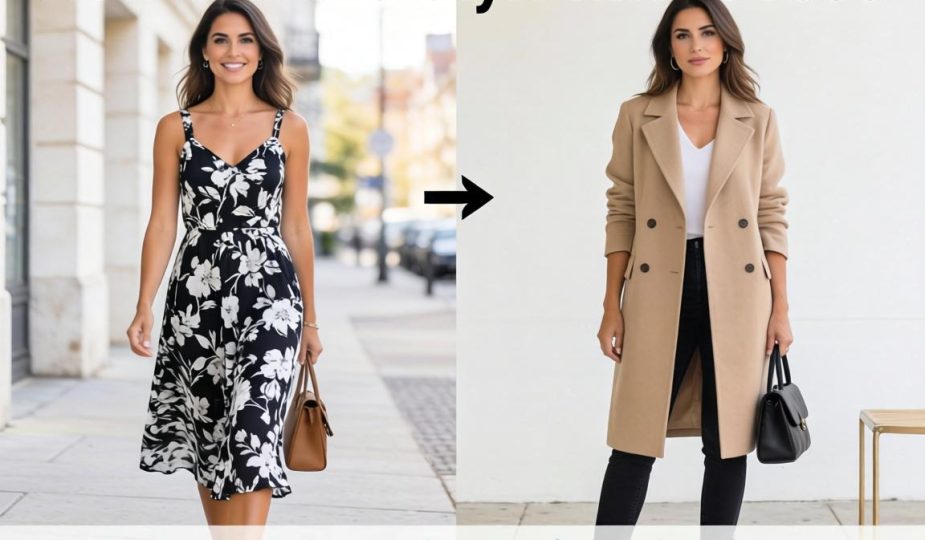
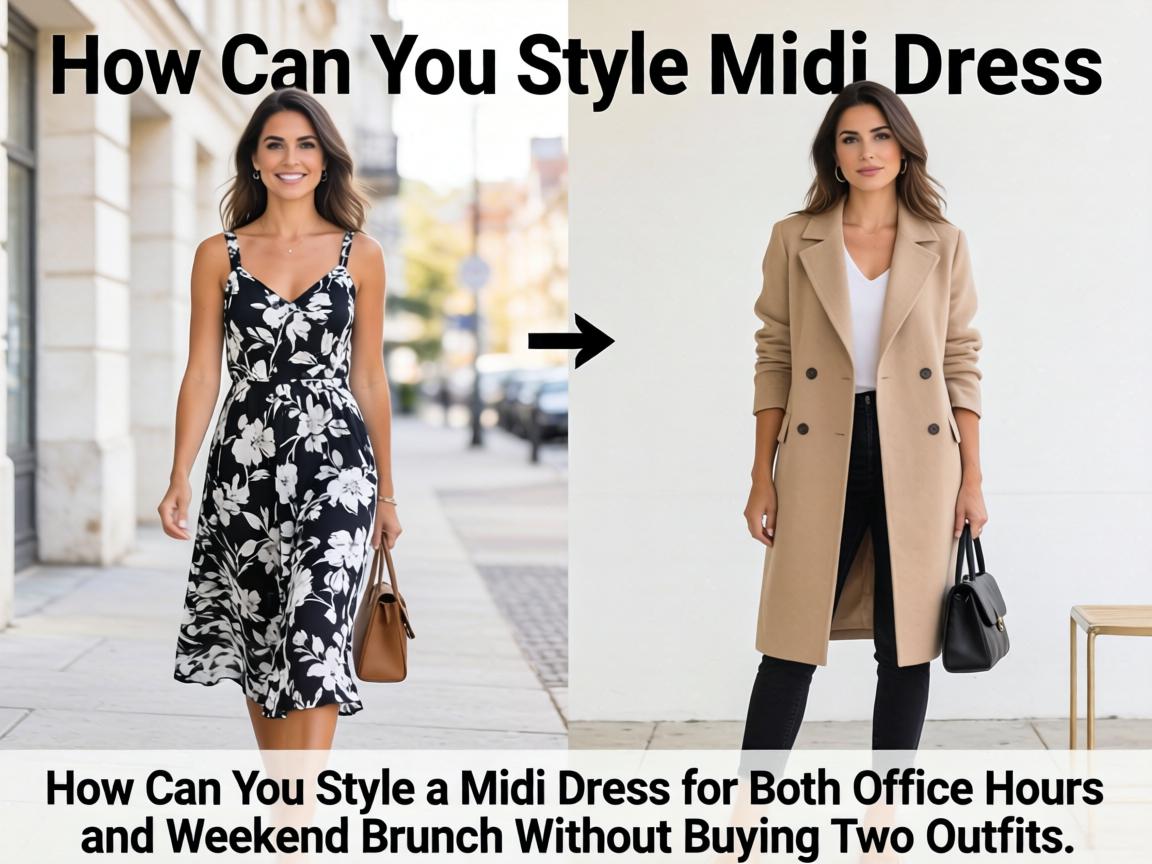
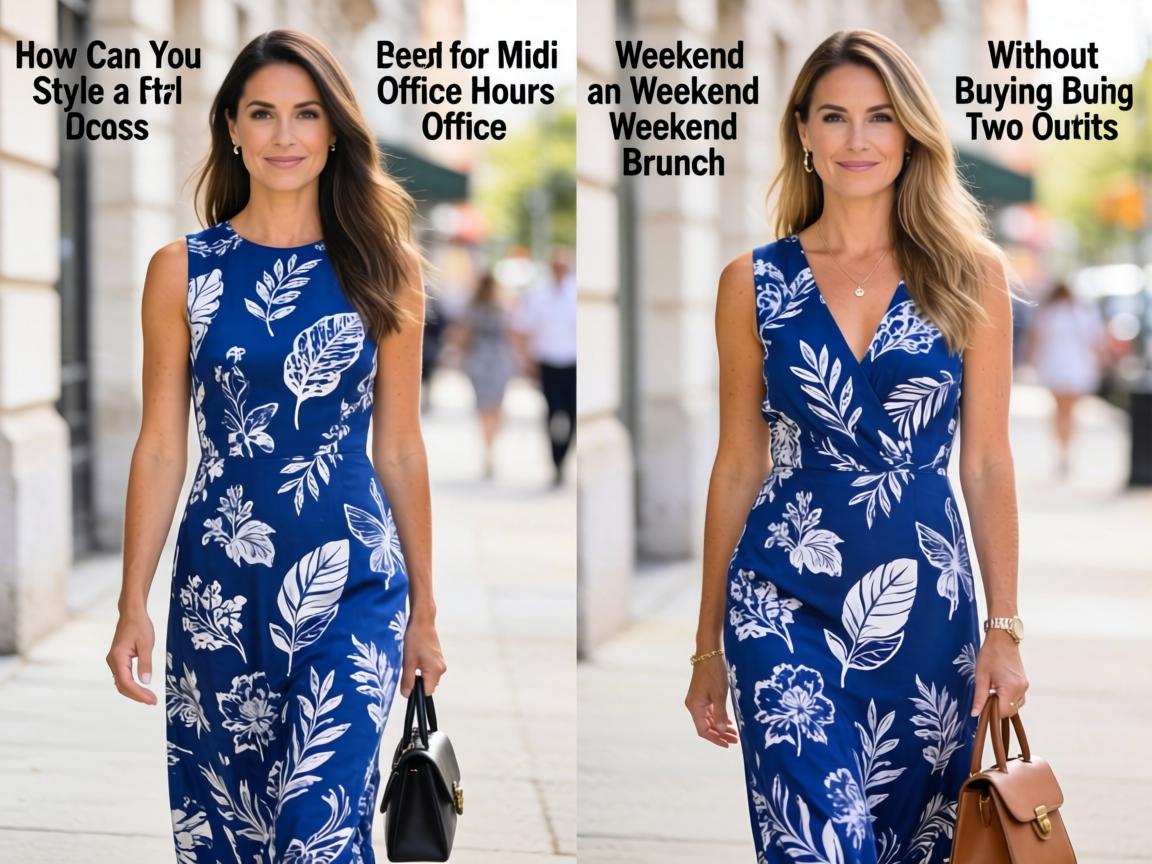
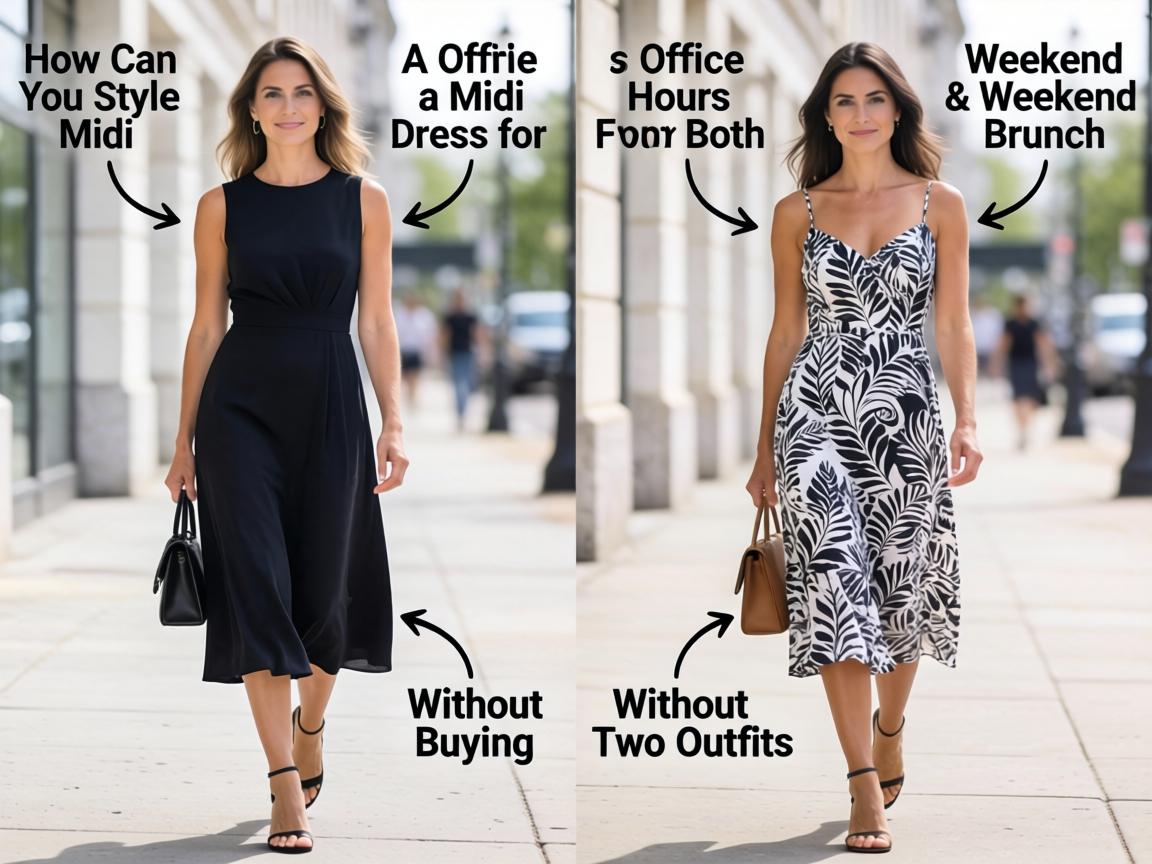
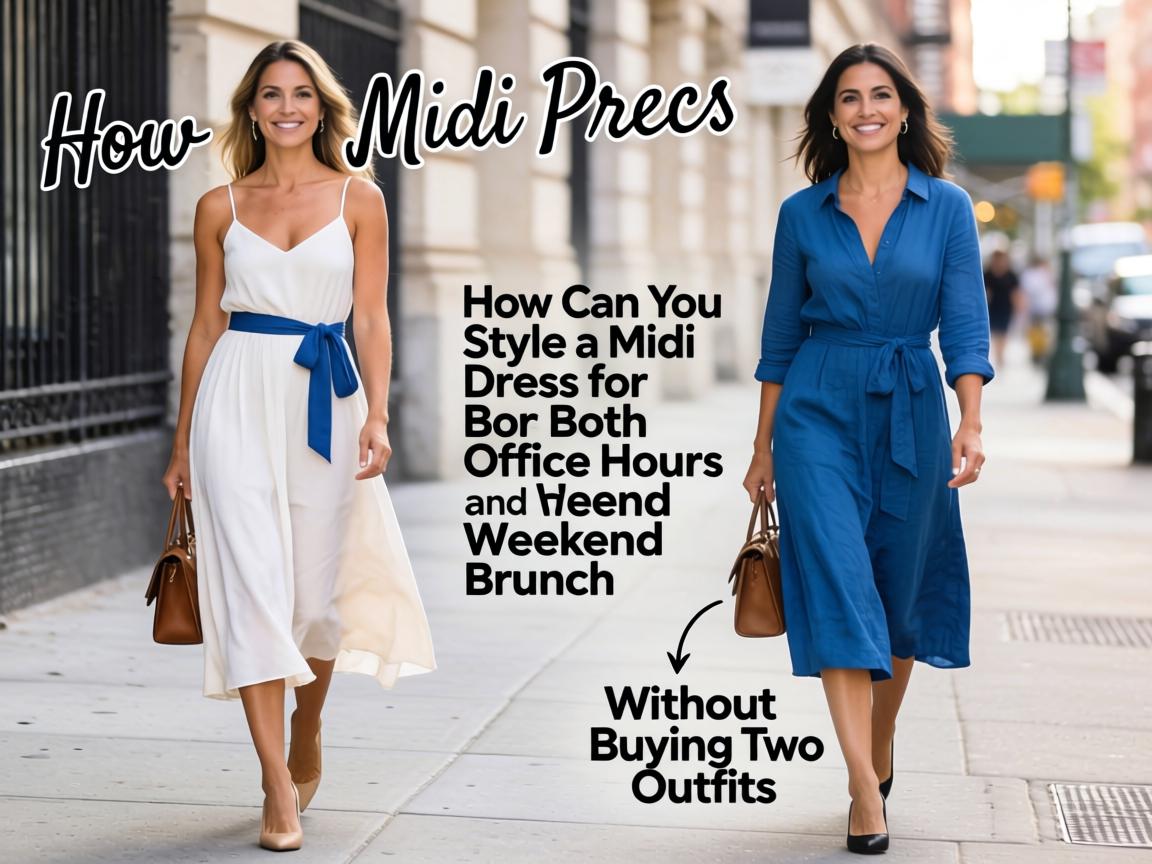
So here’s the thing about midi dresses, guys—they’re everywhere right now, but a lot of people ask me whether one piece can actually work for your 9-to-5 and that lazy Sunday mimosa situation. Let’s be real, most of us don’t have the closet space (or the budget) to own separate wardrobes for every occasion, right?You might be wondering what makes the midi dress such a versatile staple
in 2024 fashion trends. Well, the hemline hits that sweet spot—usually between the knee and mid-calf—which means it plays nice with both blazers
and sneakers
. From my view, this is exactly why fashion influencers have been pushing the “one dress, three ways” content so hard lately. The algorithm loves it, but more importantly, you actually need it.Let me break this down with some real talk. When you’re staring at your closet at 7 AM, that floral wrap midi dress doesn’t have to scream “weekend only.” Here’s what I think about transforming it:The Office Pivot
- Throw on a structured blazer
(oversized is fine, but keep it tailored enough that you don’t look like you’re swimming)
- Swap the strappy sandals for loafers or pointed-toe flats
- Add minimal gold jewelry—think small hoops
and a delicate chain
- Belt it if the waist is loose; cinched silhouettes
read more professional
But wait, what does this mean for the season? Spring 2024 runways were obsessed with “corporate casual” hybrids, and honestly? The midi dress is the perfect canvas for that vibe. Most people don’t notice that your dress is the same one from your Instagram brunch photo—they’re looking at how you styled it.The Weekend Switch
- Lose the blazer, obviously
- Trade the flats for white leather sneakers
or chunky sandals
- Layer with a denim jacket
or oversized cardigan
- Switch to a crossbody bag
instead of that structured tote
You see where I’m going with this? It’s not about the dress itself—it’s about the styling equations
you build around it. I keep reading about capsule wardrobes and sustainable fashion choices, and honestly, getting 15 wears out of one midi dress instead of 3 is exactly what those concepts look like in real life.Now, let’s get into some specifics because I know some of you are visual learners. Here’s a quick comparison of how accessories completely shift the energy:
| Element | Office Version | Weekend Version |
|---|---|---|
| Footwear | Loafers, kitten heels | Sneakers, slides |
| Outerwear | Structured blazer | Denim jacket, cardigan |
| Bag | Tote, structured satchel | Crossbody, straw bag |
| Jewelry | Minimal, delicate | Layered, statement pieces |
| Makeup | Neutral, polished | Dewy, barely-there |
Keep reading because I want to address something important. A lot of people ask about fabric choices here—does this work with every midi dress? Honestly, no. Silk and satin
midi dresses are harder to casual down without looking like you forgot to change. But cotton, linen blends, and jersey knits
? Those are your workhorses. They take to layering like nobody’s business.From my view, the real secret isn’t just swapping shoes. It’s about intention
. When you put on that blazer, you’re telling a story about competence and polish. When you swap in sneakers, you’re signaling ease and approachability. The dress stays the same, but the narrative changes—and that’s what personal style is actually about.You might be wondering about colors and patterns too. Solid neutrals (black, navy, camel) are obviously the safest bets for dual-purpose dressing. But here’s what I think: a subtle floral
or micro-print
can work if the base color is office-appropriate. Just avoid anything too loud or vacation-y unless your workplace is genuinely creative.What about shoes, though? This is where most people get stuck. The transition from block heel
to platform sneaker
seems obvious, but have you considered ankle boots
? They bridge both worlds surprisingly well—polished enough for casual Friday, cool enough for Saturday coffee runs.Let’s talk about the psychology here for a second. There’s something really satisfying about getting multiple uses out of one purchase, right? It’s not just about money—though with midi dress prices
ranging from $30 fast fashion to $300+ sustainable brands, cost-per-wear matters. It’s about feeling smart about your choices. Like, you outsmarted the system that wants you to buy more.Most people don’t notice that the best-dressed women in their offices aren’t wearing different outfits every day. They’re wearing the same outfits differently. That’s the hack. That’s always been the hack.So, can you really style one midi dress for both scenarios? Absolutely. But—and this is important—it requires thinking about your accessory collection
as the real wardrobe, with the dress just being the canvas. Invest in good shoes, a few quality layering pieces, and bags that can shape-shift. The dress is just the starting point.From my view, the midi dress trend isn’t going anywhere because it solves a real problem: we want to look put-together without the mental load of complex outfit planning. And in 2024, where “quiet luxury” and “stealth wealth” are dominating fashion conversations, the ability to make one piece look expensive in multiple contexts? That’s genuinely valuable.You might be wondering if this applies to body types too. Honestly, yes—midi lengths are universally flattering because they hit at the slimmest part of most calves. Whether you’re petite
(add heels) or tall
(embrace the midi-maxi gray area), the proportions work. That’s rare in fashion, and we should appreciate it.What does this mean for the season ahead? I think we’re going to see even more convertible styling
content. Brands are catching on that women want pieces that earn their keep. So if you’re shopping for midi dresses now, look for adjustable waists
, removable belts
, and sleeve variations
that can handle temperature swings and dress code shifts.Keep reading if you want my final take: the best midi dress for dual-purpose styling is probably hanging in your closet right now, and you just haven’t tried it with the right shoes yet. Go look. I’ll wait.