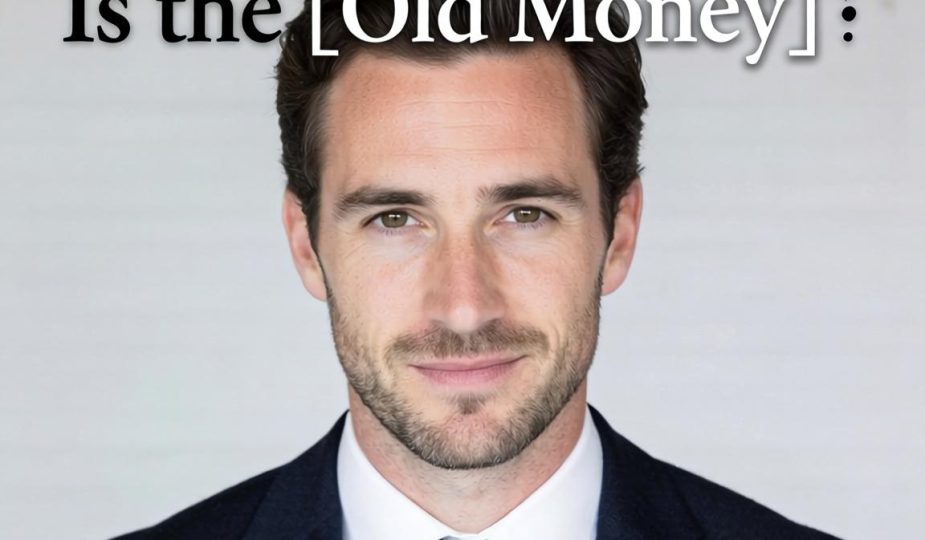
So, you’ve probably noticed every other TikTok and Instagram post still pushing that old money aesthetic
—you know, the cashmere wraps, the pearl strands, the whole “I summer in the Hamptons” vibe even if you’re actually just grabbing coffee in Cleveland. But here’s the real question: is this look actually timeless, or are we watching it curdle into something cringe?I’ve been thinking about this a lot lately because, honestly, quiet luxury
was refreshing at first. It felt like a rebellion against logomania and the whole Y2K fashion
circus. But now? Seeing fast fashion brands pump out “old money” starter packs for $29.99 makes me wonder if the whole thing has jumped the shark.What “Old Money” Actually Meant
Let’s be real. The original concept wasn’t about buying things at all. It was about inheritance, patina, wearing your grandmother’s actual pearls because they were hers, not because you ordered them with next-day delivery. A lot of people ask me how to achieve the look authentically, and I always feel like… maybe you can’t? Not really?From my view, there’s a difference between classic style
and costume. One lasts. The other looks dated the second the algorithm moves on.The Commercialization Problem
Here’s what I think happened. The moment TikTok fashion trends
identified “old money” as a sellable category, it stopped being about quality and started being about signals. Specific signals:
- Beige. Everywhere.
(As if wealthy people fear color?)
- Gold button blazers
that are 100% polyester
- Loafers
that are clearly uncomfortable because the wearer’s never broken them in
Most people don’t notice the details that actually matter—how a shoulder seam sits, whether a fabric breathes, if the proportions feel natural or forced. But these details are everything. They’re what separate investment dressing
from playing dress-up.Where It Still Works
You might be wondering if I’m completely against the aesthetic. I’m not. When done with genuine intention, it still hits. I’m talking about:
- Natural fibers
that age well—linen that gets softer, leather that develops character
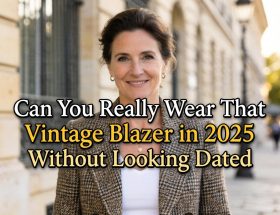
- Vintage pieces
with actual history, not “vintage-inspired” reproductions
- Tailoring
that fits your body, not a mannequin’s
The minimalist wardrobe
approach underneath the trend is solid. Neutral palettes, quality over quantity, pieces that coordinate. That part isn’t going anywhere because it just… makes sense.The Shift I’m Seeing
What does this mean for the season? There’s a definite move toward something I’d call “new old money”
—if that makes any sense. It’s less about looking like you inherited wealth and more about looking like you understand quality. Subtle difference, but important.I’m noticing more texture mixing
—rough silk with smooth wool, matte leather with subtle shine. More actual color
creeping in—sage, rust, navy as a neutral. The coastal grandmother
energy is evolving into something less literal, more adaptable.How to Navigate This Without Looking Like a Costume
Keep reading if you want my actual survival guide for this aesthetic moment:
| Approach | Risk Level | Longevity |
|---|---|---|
| Buying “old money” labeled items from fast fashion | High | 3-6 months |
| Investing in one quality classic piece per season | Low | 5-10 years |
| Thrifting actual vintage from the 80s/90s | Medium | Depends on condition, but usually years |
| Mixing one “classic” piece with modern/trendy items | Low | Flexible |
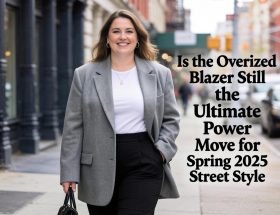
The sweet spot? That last row. One structured blazer
with vintage denim and sneakers. A strand of pearls
with a band tee. It acknowledges the trend without being consumed by it.The Sustainability Angle
Let’s be real about sustainable fashion
here. The “old money” aesthetic should theoretically align perfectly with slow fashion principles—buy less, buy better, wear longer. But the mass-market version is actually worse for the environment because it’s creating demand for cheap, disposable versions of things that should last decades.I’ve started asking: does this piece feel like it could be in my closet in 2035? If the answer involves any hesitation about trend cycles, I pass. Even if it’s “so cute right now.”My Honest Conclusion
From my view, the old money aesthetic
isn’t dead, but it’s definitely in a awkward teenage phase where everyone’s trying too hard. The versions that survive will be the ones that strip away the performance of wealth and keep the actual principles: quality materials
, thoughtful construction
, personal meaning
.Guys, I’ve got a vintage camel coat I found in a consignment shop in Portland three years ago. Cost me $80. The lining is shot, the buttons are mismatched, and it’s the best thing I own. That’s my old money. Not the $2000 “investment piece” that looks identical to everyone else’s.So is it still relevant? The real version, yes. The TikTok version? Probably not worth your closet space. The trick is knowing which one you’re actually looking at when you scroll.