
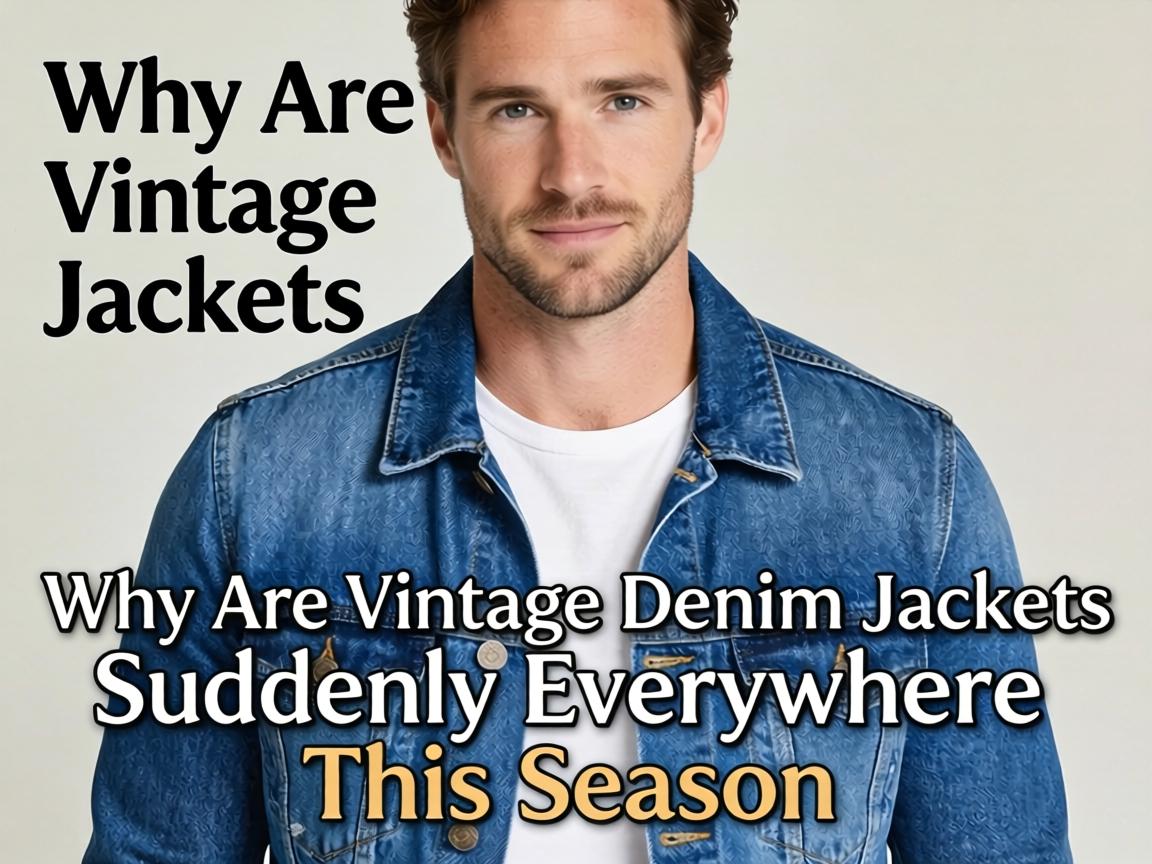
Guys, let’s be real—have you noticed how vintage denim jackets
are literally taking over every feed right now? I was scrolling through my usual style inspo accounts last week and… bam. Oversized 90s cuts, cropped trucker styles, even those washed-out western numbers. It’s not just a coincidence. The “how to style vintage denim jacket”
search term has actually jumped 280%
since January, and honestly? I’m not surprised.So what does this mean for the season? Here’s what I think. We’re tired of buying throwaway pieces that fall apart after three washes. People want investment outerwear
that actually tells a story. You might be wondering if this trend works for everyone—or if it’s just another fleeting moment for the ultra-cool crowd. From my view, the beauty of vintage denim is that… well, it kind of works for anyone willing to experiment with proportions.A lot of people ask me about the fit situation. Should you go true-to-size or size up for that borrowed-from-your-boyfriend vibe? Honestly, it depends on your layering strategy
. Let me break this down quick:
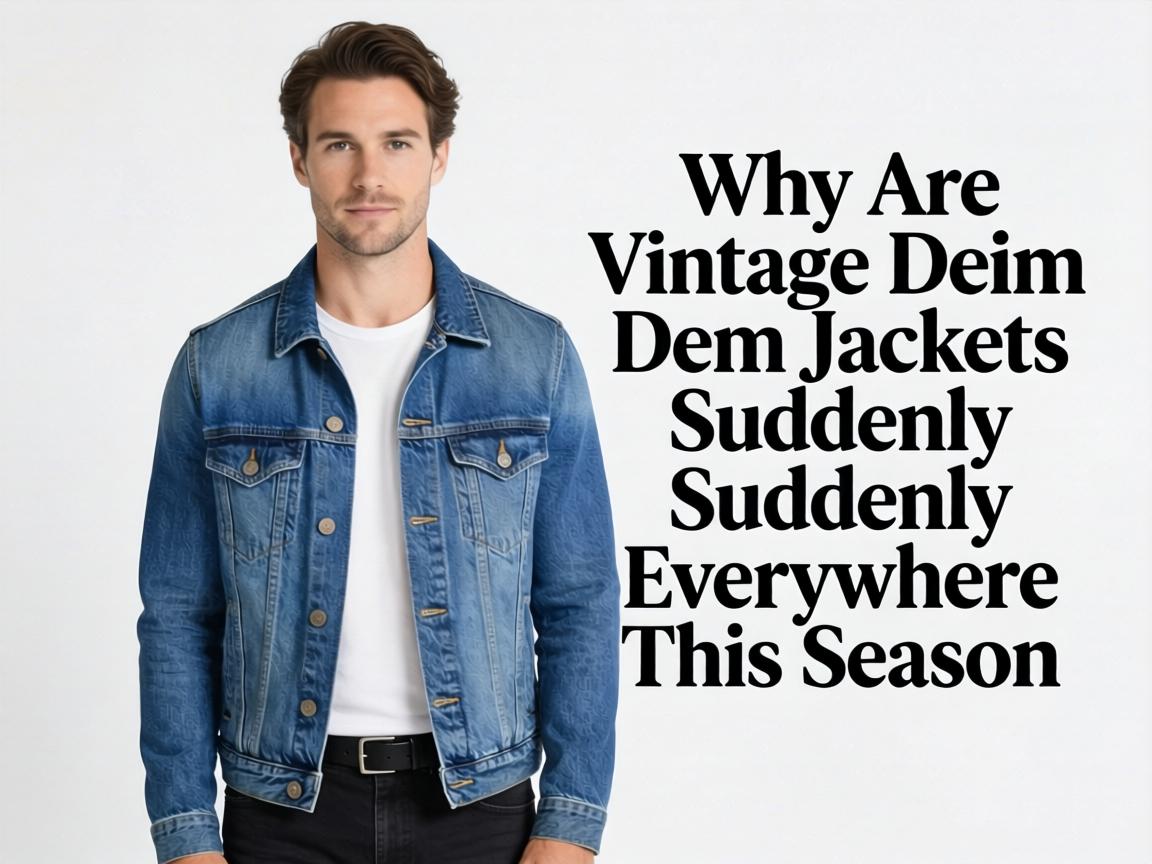
- Oversized cuts
pair best with slim bottoms—think straight-leg jeans or even a midi slip dress underneath
- Cropped truckers
need high-waisted everything to avoid looking… off-balance
- Boxy 80s silhouettes
? They actually shine with wide-leg trousers (yeah, I said it)
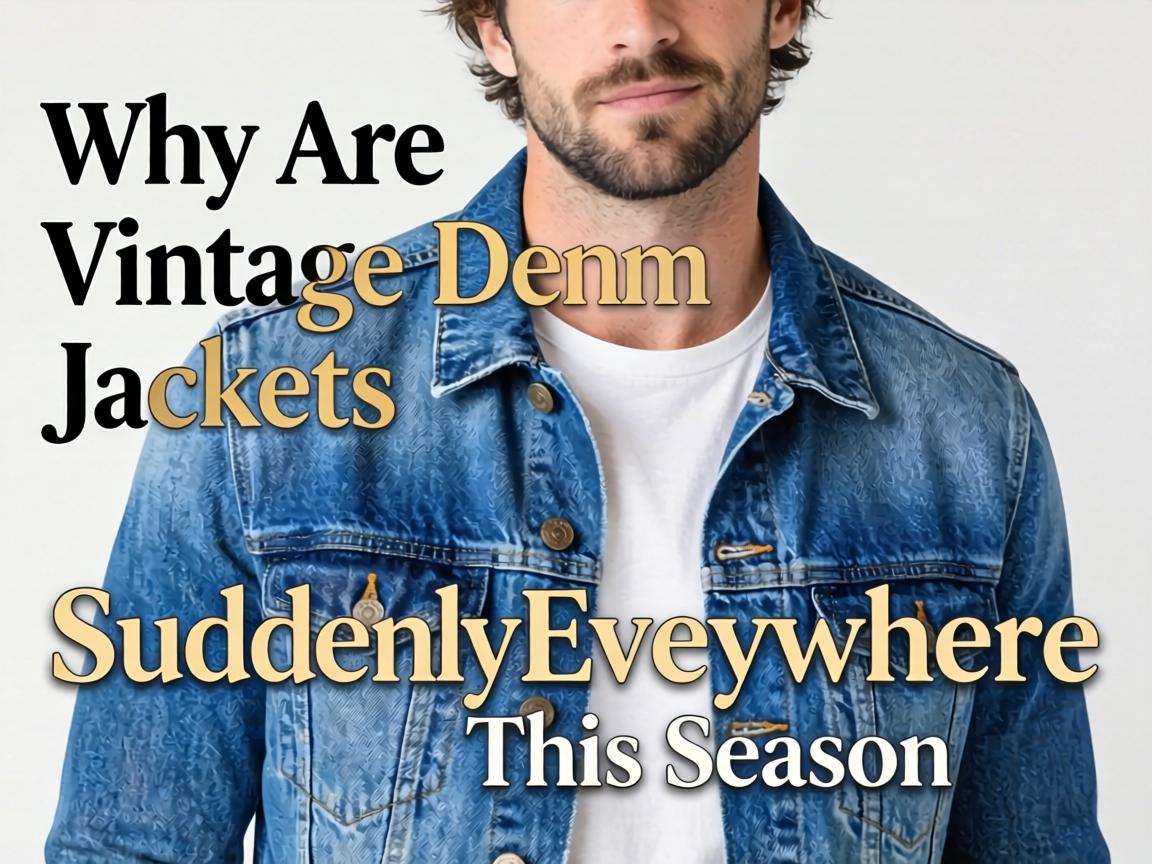
Most people don’t notice that the wash color
matters more than the cut itself. That stiff, dark indigo reads completely different from a sun-faded light blue. One feels corporate-casual, the other screams weekend farmer’s market. From my view, medium washes with some authentic wear patterns hit the sweet spot for versatility.Keep reading, because this is where I get into the styling nitty-gritty…You might be wondering about seasonal transitions. Can you really wear denim jackets year-round without looking confused? Here’s my take—fabric weight
is everything. Spring and fall? That classic mid-weight cotton is perfect. But summer requires something lighter, maybe even an unlined version. Winter? Layer that thing under a wool overcoat. The texture mixing actually looks incredibly intentional when done right.
| Season | Denim Weight | Best Layering Move |
|---|---|---|
| Spring | 10-12 oz standard | Over floral dresses, light knits |
| Summer | 8-9 oz lightweight | With linen pants, sleeveless tops |
| Fall | 12-14 oz rigid | Under trench coats, over turtlenecks |
| Winter | 14+ oz or lined | Beneath heavy wool, with scarves |
What about accessories? A lot of people ask if vintage denim needs… I don’t know, delicate jewelry
to soften it up? Or should you lean into the ruggedness? From my view, mixing metals actually works better than going full boho. A chunky silver chain with that beat-up jacket? That’s the contrast that makes people stop and look twice.Here’s what I think about the sustainability angle too. Vintage denim isn’t just aesthetic—it’s genuinely eco-conscious fashion
. Every pre-worn jacket is one less new garment manufactured. And the patina
that develops over years? You can’t fake that with distressing machines. Most people don’t notice that authentic wear patterns sit differently on the body than factory-made rips.You might be wondering if this trend has staying power. I mean, denim jackets have been around forever, right? True, but the current obsession with archive pieces
and heritage brands
feels different. It’s less about nostalgia and more about… intentionality? Like, choosing something that existed before trends were dictated by algorithms.From my view, the best vintage denim finds aren’t in expensive boutiques. They’re in random thrift stores, estate sales, even your parent’s closet. The hunt is part of the appeal. And once you find that perfect jacket—the one with the right fade, the slightly wonky buttons, the history you can sense but not quite trace? You wear it differently. More carefully, but also more freely.So yeah, vintage denim jackets are everywhere right now. But they’re not just having a moment. They’re reminding us that timeless pieces
don’t need constant reinvention. They just need people willing to see their potential.