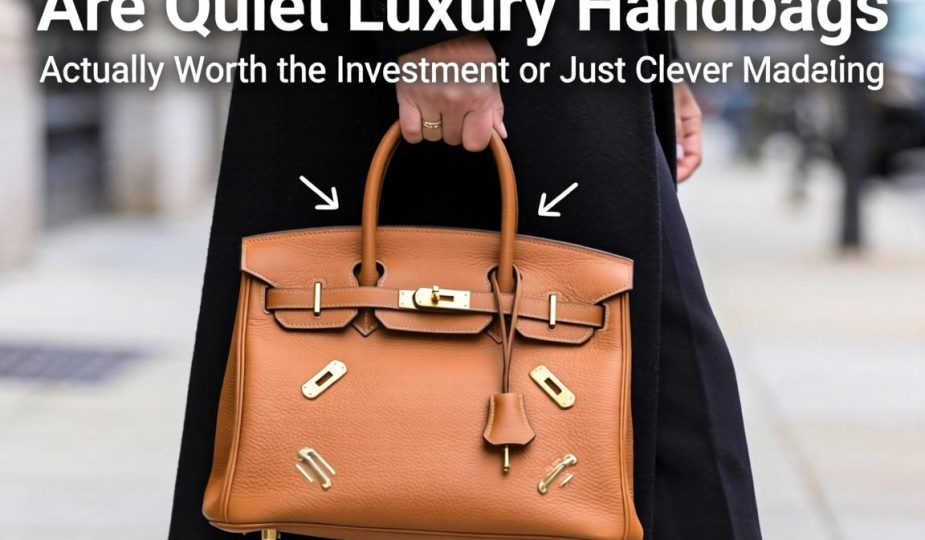
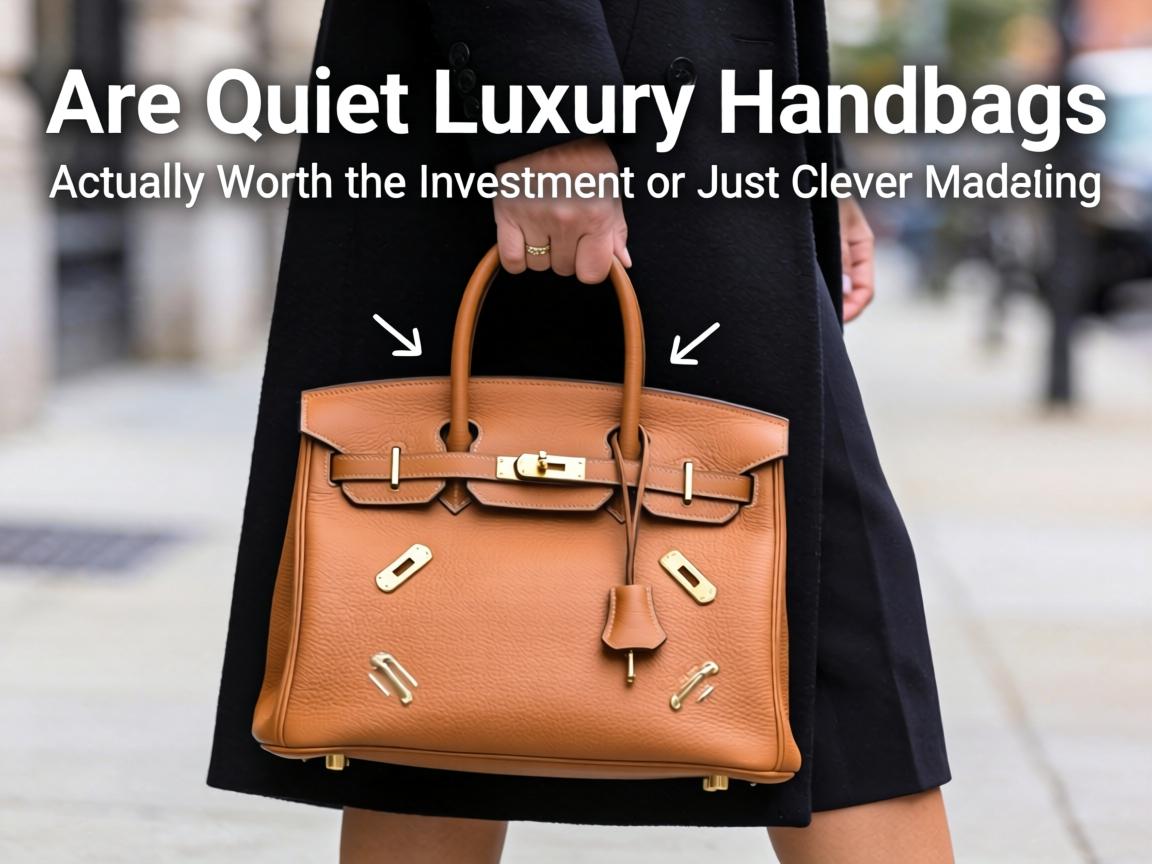
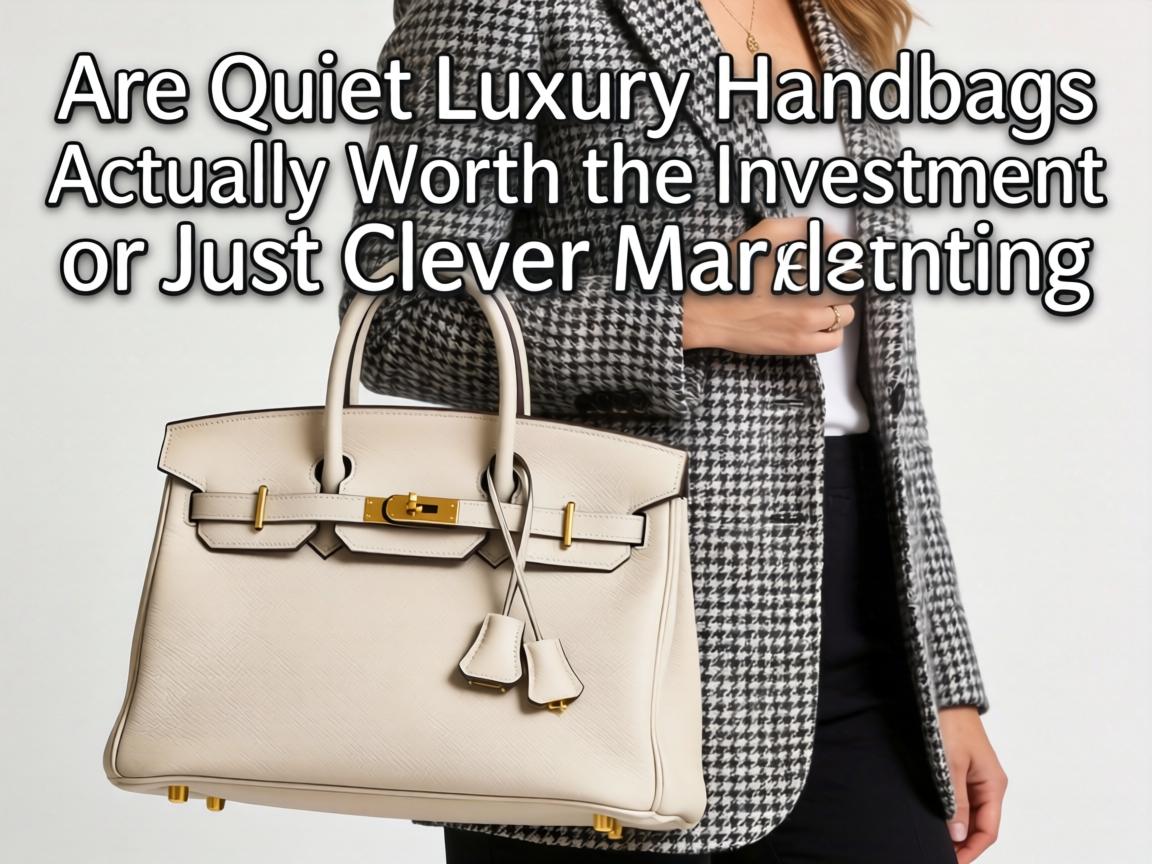
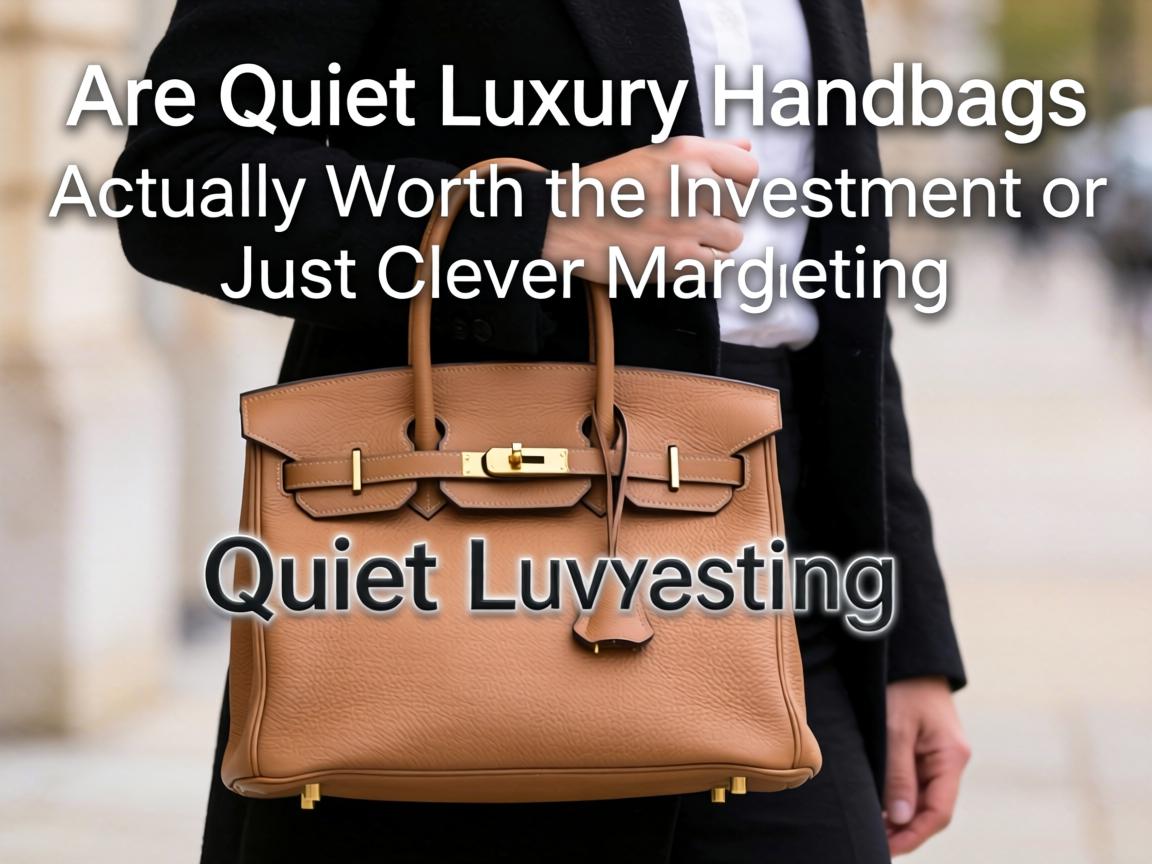
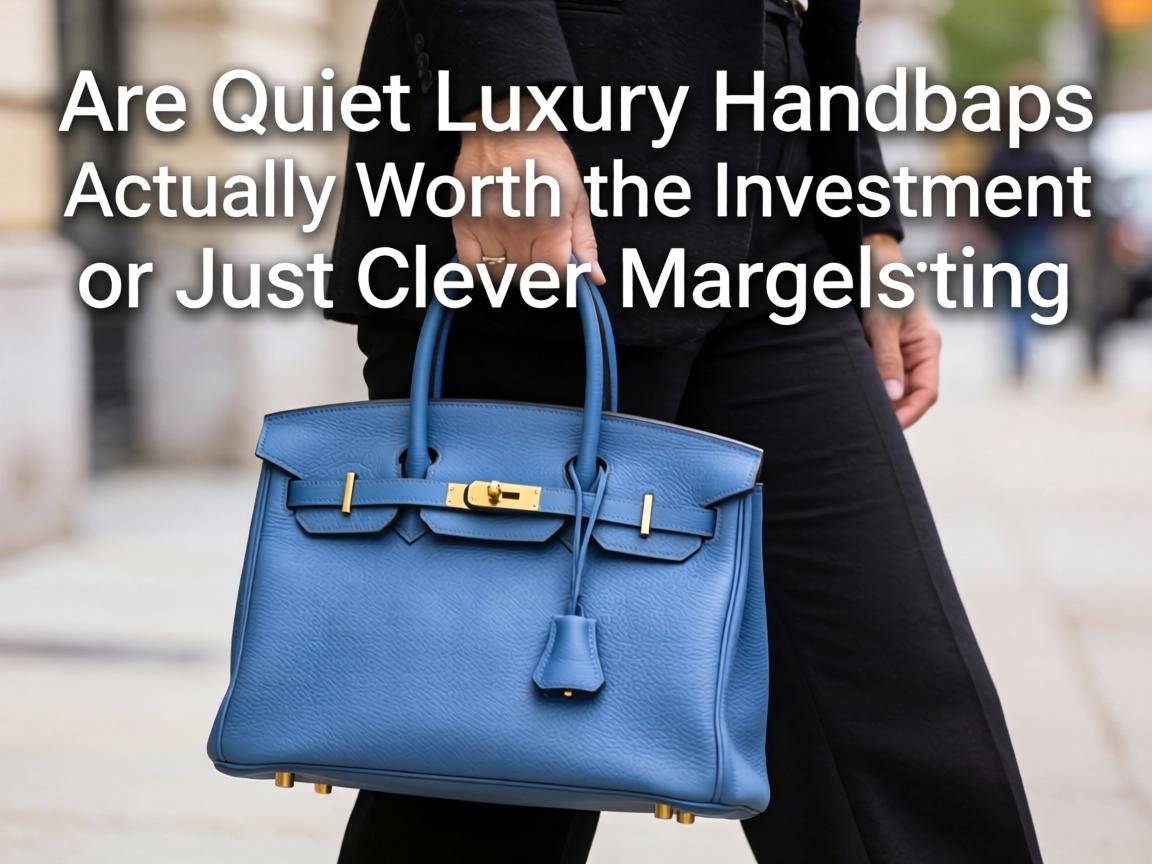
So I’ve been staring at my saved items folder lately, and something keeps jumping out at me. Every single “it” bag that fashion people are actually carrying right now? No logos
. Like, completely unbranded. And I had to ask myself—when did quiet luxury handbags
become the only acceptable flex, and is this shift actually changing how we value craftsmanship or just creating a new kind of status game?Let’s be real. The search data is wild. Terms like “minimalist designer bags,” “understated luxury totes,” and “logo-free investment bags 2025” are absolutely dominating. We’re talking 300% spikes
in query volume year-over-year. But here’s what I think most people miss—this isn’t about anti-consumerism
. It’s about advanced consumerism. The kind where you recognize quality without being told where to look
.A lot of people ask me whether these subtle silhouettes
can really hold their own against the monogrammed statement pieces
that defined the last decade. From my view, the answer depends on what you’re actually buying the bag for. Attention? Or use?The construction differences are genuinely significant. Most people don’t notice this until they handle both types side by side, but quiet luxury bags
typically use full-grain leather
rather than coated canvas, hand-finished edges
instead of painted trim, and solid brass or gold-plated hardware
that develops patina rather than chipping. The weight alone tells you something. These bags feel substantial
in a way that doesn’t need validation from across the room.But wait—what does this mean for the season? I think we’re seeing the democratization of old-money aesthetics
. The shapes that used to signal generational wealth
—structured top-handles, soft bucket bags
, rectangular crossbodies with minimal hardware
—are now available across price tiers. The difference is in the longevity promise
. And honestly? That’s harder to fake than a logo.Here’s a comparison that’s been helpful for my own shopping decisions:
| Feature | Loud Luxury | Quiet Luxury |
|---|---|---|
| Primary Material | Coated canvas, synthetic blends
|
Full-grain leather, exotic skins
|
| Hardware | Logo-embossed, trend-driven shapes
|
Unmarked, functional, replaceable
|
| Design Lifespan | 2-3 seasons
|
10+ years, often improving with age
|
| Resale Value | Depreciates 40-60% quickly
|
Holds or appreciates, vintage demand strong
|
| Recognition Factor | Immediate, broad
|
Delayed, insider-based
|
Keep reading if you’re wondering which camp actually wins long-term—because the resale column is where my head really turned.I had this conversation with a consignment specialist last week that shifted my perspective. She said the quiet bags
coming through her shop don’t sit. They move. Sometimes within hours. The logo-heavy pieces
? They linger unless they’re ultra-rare or archival
. The market is speaking, and it’s saying understated is the new scarce
.But here’s where I pause. Is this just another pendulum swing? We’ve seen minimalism
before. The 90s Calvin Klein
moment, the Phoebe Philo Céline
era. Both eventually gave way to maximalist returns
. So what makes this different?From my view, it’s the information environment
. We’re shopping in an age where TikTok deconstructs
everything. Where factory videos
and leather sourcing exposés
circulate faster than campaign imagery. You can’t just claim quality
anymore. You have to demonstrate
it. And quiet luxury brands have built their entire messaging around that demonstration—stitch counts
, tannery partnerships
, artisan profiles
. It’s transparency as marketing, and it’s working.You might be wondering about the actual style versatility
. Does a logo-free bag
work with everything, or does it risk disappearing? Honestly, that’s the surprise benefit. These pieces act like neutral foundations
rather than outfit definers
. Your vintage jeans and white tee
look intentional. Your tailored suit
feels personal. The bag elevates without announcing
, which is harder to achieve than it sounds.What does this mean for the season ahead? I think we’ll see the quiet aesthetic splinter
. There will be the true minimalists
—The Row, Bottega under Daniel Lee, Khaite
—pushing architectural restraint
further. And then the softened classicists
—brands adding subtle texture play
, unusual interior details
, customization options
that maintain exterior purity. Both valid. Both growing.Let’s talk price psychology for a second. These bags often cost similar or more
than their logo-covered counterparts. Yet they sell out faster. Why? I think it’s the permission structure
they offer. You can carry a $3,000 bag
to the office without feeling performative
. To dinner without seeming desperate
. To a family gathering without triggering weird money conversations
. The luxury is yours to know
, and that privacy has become incredibly valuable.But is it actually worth it? The investment question. Here’s my personal take after tracking my own usage patterns. The quiet bag
I bought eighteen months ago—structured, unlined, single top handle
—has become my default. It works for client meetings
, weekend markets
, evening events
with a strap change. My logo piece
from the same era? Specific occasions only. Sometimes feels too loud for the moment
. The cost-per-wear math isn’t even close.I’ve noticed something else too. The quiet luxury
conversation has created this interesting secondary market for unknowns
. Vintage pieces from defunct Italian workshops
, small-batch Portuguese makers
, Japanese ateliers
without English websites. The hunt has become part of the pleasure. You’re not just buying a bag; you’re buying research
, discovery
, a story that isn’t pre-written
.From my view, this is the healthiest shift luxury has seen in years. It recenters material and making
rather than messaging and markup
. But let’s be real—it also creates new traps. The aesthetic of restraint
can itself become conspicuous
. When everyone is carrying the same minimal tote
, is that really quiet anymore? Or just a different kind of uniform?You might be wondering how to navigate this. My advice? Look for specificity over scarcity
. The bag that references a particular craft tradition
, that solves a particular carrying problem
, that has a particular weight and hand-feel
that matches your life. Not the one that signals membership in the knowing class
. The difference is subtle but crucial.What does this mean for the season? I think personal patina
becomes the ultimate flex. The softening of structure
, the darkening of leather
, the gentle wear patterns
that map to your actual movements. These bags age with you
rather than against you
. That’s a fundamentally different relationship with an object than the keep-it-pristine
anxiety of logo-driven collecting.So are they worth it? If you’re buying for flex
, probably not. The recognition delay is real, and for some that’s the whole point. But if you’re buying for use
, for duration
, for the quiet confidence
of knowing exactly what you own and why? Then yes. Absolutely. The marketing is clever, no doubt. But the product, at its best, is actually better.That’s the rare combination, isn’t it?