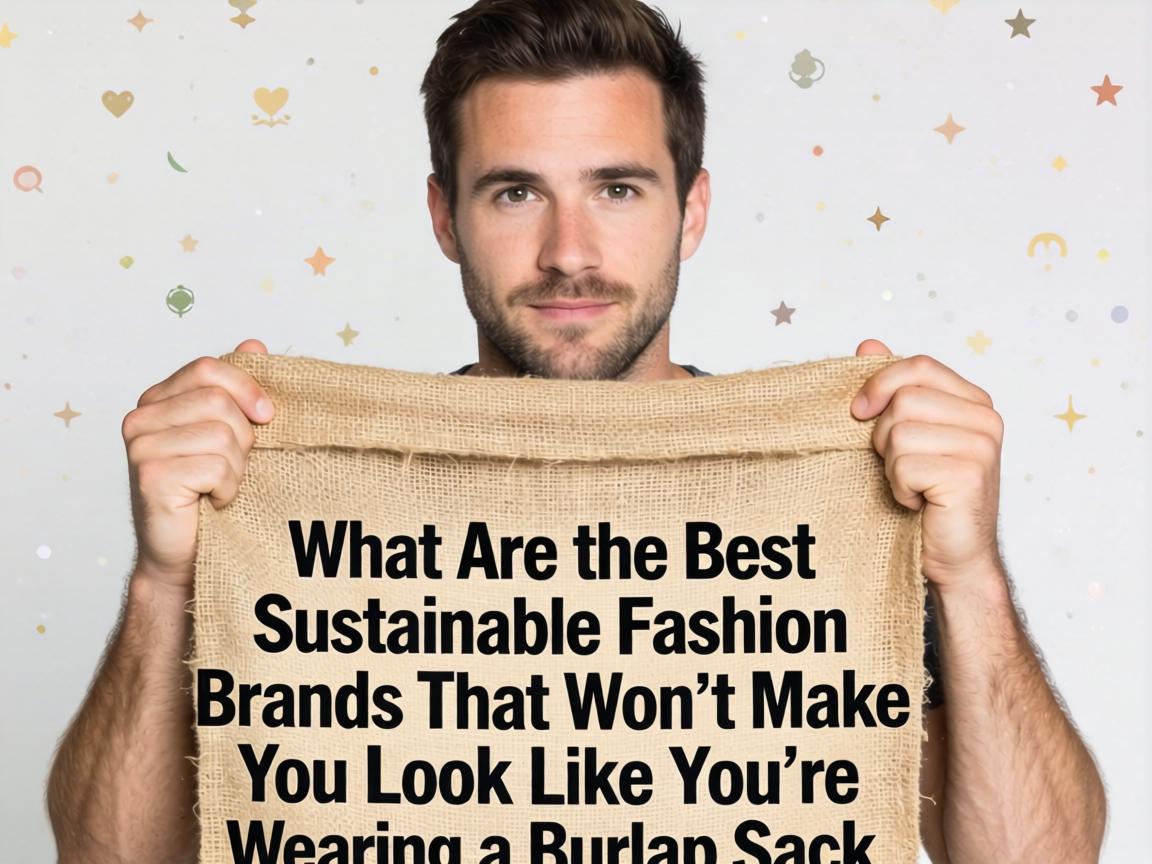
Guys, let’s be real for a second. When someone mentions “sustainable fashion,” what’s the first image that pops into your head? Beige linen everything? Boxy silhouettes that scream “I compost”? Yeah, I used to think the same thing. But here’s what I think… the game has completely changed.A lot of people ask me whether eco-friendly clothing can actually look good—like, actually good
—and honestly? The answer is yes, but you need to know where to look. The sustainable fashion movement has exploded, and we’re talking about everything from organic cotton basics
to deadstock designer pieces
that could walk any runway. Most people don’t notice that some of their favorite influencers are already wearing brands that are 100% carbon-neutral.So what does this mean for the season? It means you don’t have to choose between looking fire and feeling good about your choices. Keep reading, because I’m breaking down the brands that are doing it right—and yeah, I’ve got some thoughts on which ones are worth your money.Why Does Sustainable Fashion Still Have a Bad Rep?
You might be wondering why so many of us still associate “green” clothing with… well, looking like we’re about to farm something. I think it comes down to the early days of the movement. Back then, it was all about function over form. But from my view, that’s ancient history now.
| What People Think | What’s Actually Happening |
|---|---|
| Limited color palettes (browns, creams, olives) | Bold prints, saturated dyes from natural sources |
| Scratchy, uncomfortable fabrics | Tencel, modal, and recycled cashmere that feels expensive |
| Shapeless, oversized everything | Tailored fits, actual sizing inclusivity |
The truth is, sustainable fashion 2025 is indistinguishable from “regular” fashion—unless you know what to look for. And honestly? That’s the point.So Who’s Actually Worth Your Time?
Let’s talk specifics, because I know that’s why you’re here.Stella McCartney
is the obvious heavyweight, right? She’s been doing this since before it was cool. Her stuff isn’t cheap—we’re talking $800+ for a blazer
—but the craftsmanship is unreal. I’ve touched her vegetarian leather in person, and let me tell you, it feels better than the real thing. No guilt, no cows, just gorgeous.But maybe you’re not looking to drop rent money on a jacket. I get it. That’s where Reformation
comes in. Their dresses hit that sweet spot around $200-300
, and they publish their environmental impact right on each product page. Like, actual numbers. Water saved, CO2 prevented. It’s refreshing, you know? Plus their fits are chef’s kiss—flattering without trying too hard.Everlane
… okay, here’s what I think about Everlane. They had some transparency issues a few years back, which was messy. But they’ve cleaned up their act, and their organic cotton tees
(around $18-30) are genuinely solid basics. I own like six of their heavyweight crews. They last forever.What About Affordable Options?
A lot of people ask me if sustainable fashion is only for people with disposable income. And honestly? That used to be true. But brands like Pact
and Quince
are changing the narrative. We’re talking $30-50 for organic cotton dresses
, $15 for ethically-made tees
. The catch? The designs are simpler. But simple isn’t bad—it’s just… simple.
| Price Tier | Brand Examples | Best For |
|---|---|---|
| Under $50 | Pact, Quince, Kotn | Basics, loungewear, everyday essentials |
| $50-200 | Reformation, Amour Vert, Christy Dawn | Statement pieces, date nights, workwear |
| $200+ | Stella McCartney, Gabriela Hearst, Marine Serre | Investment pieces, luxury staples |
Is Secondhand Actually Better Than Buying New?
This is where I get a little controversial, maybe. Everyone says “just thrift it!” like that’s the universal solution. But from my view, it’s complicated. Thrifting is great—obviously—but it doesn’t solve the production problem. Someone still made that fast fashion item originally, you know?That said, platforms like The RealReal
, Vestiaire Collective
, and even Depop
for the younger crowd? They’re extending garment lifespans by years. Decades, sometimes. I found a vintage YSL blazer
on Vestiaire last month for $180. Retail would’ve been $2,000+. And the carbon footprint? Basically zero, since it already existed.What Should You Actually Buy Right Now?
Okay, practical stuff. If you’re building a sustainable wardrobe from scratch, here’s my take:
- Start with underwear and socks
. Sounds weird, but organic cotton basics from Boody
or Pact
touch your skin all day. Worth the upgrade.
- Invest in one great pair of jeans
. Boyish
or DL1961
use recycled water and materials. A good pair runs $150-200
but lasts 5+ years easy.
- Skip the trendy stuff
. That neon crochet top might be cute for one season, but will you wear it in 2026? Probably not.
You might be wondering about certifications. Here’s the quick version: GOTS
(Global Organic Textile Standard) is the gold standard for organic. B Corp
certification means the whole company meets social and environmental standards. OEKO-TEX
is about harmful substances. Most people don’t notice these labels, but they actually matter.The Real Talk
Let’s be real—no brand is perfect. “Sustainable” is a spectrum, not a destination. I’ve seen companies tout their recycled packaging while still overproducing inventory. I’ve watched “eco” brands use synthetic dyes because natural ones fade too fast. It’s messy. Fashion is messy.But from my view, the question isn’t “is this brand 100% perfect?” It’s “are they trying? Are they improving? Are they transparent when they mess up?” That’s what separates the real players from the greenwashers.So what does this mean for the season? It means you’ve got options. Real options. You can look amazing, feel good about your choices, and not go broke doing it. The sustainable fashion landscape in 2025 is honestly the best it’s ever been—and yeah, I’m excited to see where it goes next.Keep reading, keep questioning, and most importantly? Wear what makes you feel like yourself. The planet will thank you for making it last.