
Okay guys, let’s be real for a second. How many times have you scrolled through Instagram at 2 AM, spotted someone wearing the most gorgeous dress, and immediately started hunting for a dupe? If you’re anything like me, the hunt for affordable fashion that doesn’t look cheap is basically a full-time job. And here’s the thing—fast fashion has gotten weirdly good
lately. Like, suspiciously good.So what does this mean for the season? Well, a lot of people ask whether those viral Shein finds can actually hold their own against the investment pieces sitting in your closet. I spent the last month testing both sides—cheap thrills versus luxury staples—and honestly? The results surprised even me. Keep reading, because I’m breaking down everything from fabric weight to that mysterious “expensive-looking” factor nobody talks about enough.You might be wondering where to even start with this comparison. From my view, it really comes down to three things: how it photographs, how it feels after three washes, and whether strangers stop you on the street
. Most people don’t notice the difference between a $40 blazer and a $400 one in a crowded coffee shop. They notice confidence. They notice fit. But they also notice when something pills after one wear, you know?Let me hit you with some real talk about construction. I ordered this viral satin midi skirt from Shein—$28, free shipping, arrived in five days
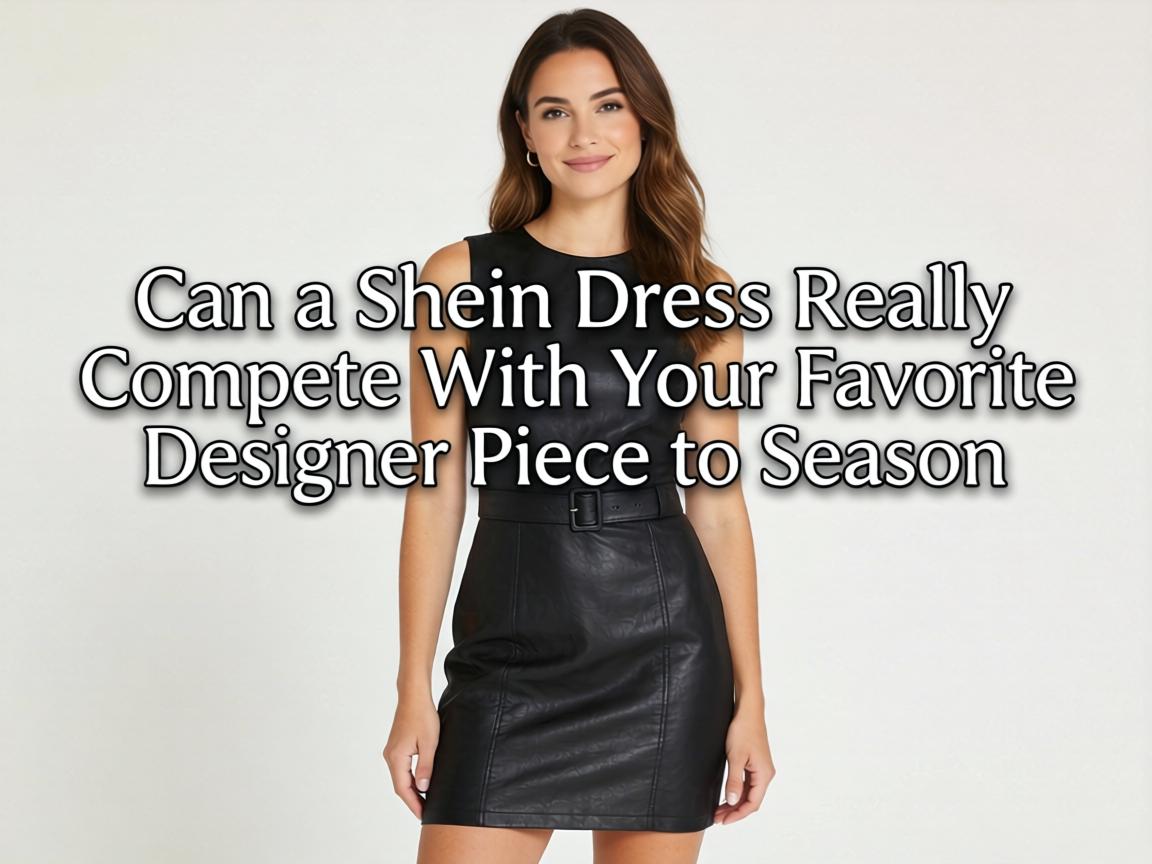
. Then I pulled out my Vince silk version that cost, uh, significantly more. Side by side? The sheen was nearly identical in photos. Nearly. But here’s what I think: the Vince skirt has this weight to it that makes it drape like liquid. The Shein version? It clung statically to my tights all day. Annoying? Yes. Dealbreaker? Maybe not for a dinner where you’re sitting down the whole time.
| Feature | Budget Find ($25-50) | Investment Piece ($200+) |
|---|---|---|
| First impression | Usually kills it | Subtle, builds over time |
| After 3 washes | 50/50 survival rate | Basically immortal |
| Compliment rate | High initially | High consistently |
| Cost per wear | Great if you wear it 5+ times | Great if you wear it 50+ times |
See, the math gets interesting when you actually track your outfits. I used to buy five $30 tops thinking I was “saving money.” Spoiler: I wore two of them once and donated the rest. Meanwhile, my $220 Equipment silk shirt
? I’ve worn it probably sixty times over two years. That’s roughly $3.60 per wear versus $15 for those barely-worn trend pieces. Let’s be real—my math was bad.But wait, because here’s where it gets complicated. Some trends die fast. Like, really fast. Remember that very specific cutout trend from last spring? Gone. If you dropped serious cash on that, you’re probably bitter right now. This is where fast fashion actually makes sense—trend testing without the commitment
. I’m not ashamed to admit I bought a $20 version of the “controversial” mesh flats to see if I could pull them off. Turns out? I couldn’t. Thank god I didn’t spend $300 finding that out.You might be wondering about sustainability, because everyone’s asking about that now. And honestly? It’s the uncomfortable part of this conversation. The environmental cost of that $30 dress is… not great. But the class implications of only buying $500 sustainable pieces aren’t great either. Most people don’t notice the ethical dilemma you’re wrestling with while you’re just trying to get dressed for work. I don’t have a perfect answer here. I think we all just do our best, buy less overall, and wear things longer when we can.What about accessories? This is where I go full budget, no regrets. Trendy bags, costume jewelry, belts
—the fast fashion versions are often indistinguishable from mid-range options. I have a $15 beaded bag from H&M that gets more compliments than my designer crossbody. Why? Because it’s fun, it’s current, and nobody expects it to last forever. That’s the key, I think. Knowing the lifespan before you buy.From my view, the sweet spot is mixing strategically. Anchor pieces in quality, accents in affordability
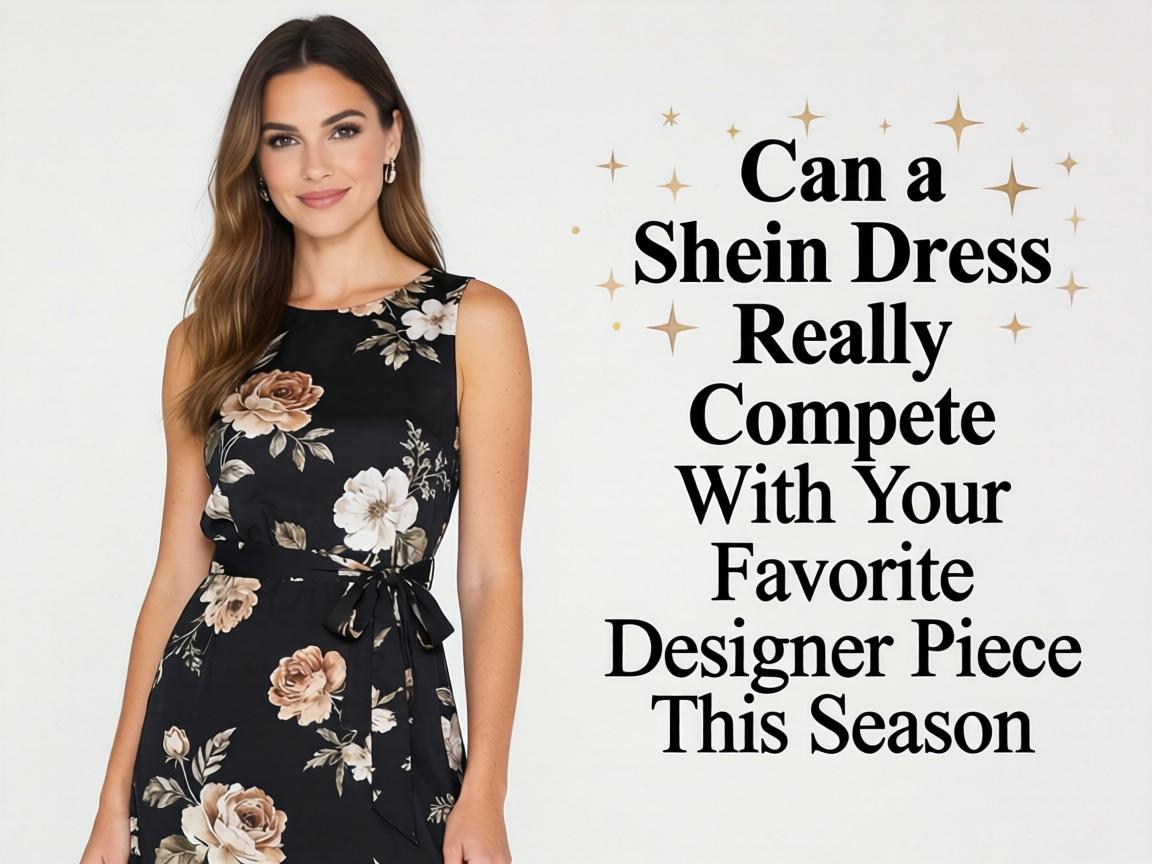
. Your coat, your boots, your work trousers—invest there. That micro-trend color you’re curious about? Go cheap. Test it. The mistake is going all-in on one approach, whether that’s the “only buy luxury” crowd or the “buy everything disposable” mindset. Both feel exhausting after a while.So can that $30 Shein dress compete? In a photo, absolutely. For a single event where you need something specific? Definitely. As a replacement for thoughtful, lasting style? Probably not. But here’s what I think people miss—style isn’t about price tags
. It’s about knowing what works for your body, your life, and your actual habits. Sometimes that $30 dress fits better than the $300 one. Sometimes the expensive thing changes how you carry yourself. Both can be true.Most people don’t notice the brand of your jeans. They notice if you look comfortable in your own clothes. They notice if you’re constantly adjusting, pulling, checking seams. So my advice? Try the cheap version first if you’re unsure. But when you find that perfect black blazer, the one that makes you feel like you could run a meeting or a dinner party? Pay attention to that feeling
. That’s worth investing in.The season ahead feels more democratic than ever, honestly. Good design is everywhere now. The challenge isn’t finding something affordable—it’s curating a closet that actually makes sense for you. Less panic-buying, more intentional “does this fit my real life” moments. That’s the energy I’m taking into spring, anyway.What does this mean for your next shopping trip? Maybe nothing. Maybe everything. But from my view, the best dressed people I know aren’t the ones with the biggest budgets. They’re the ones who figured out their own formula. And that? That’s free.