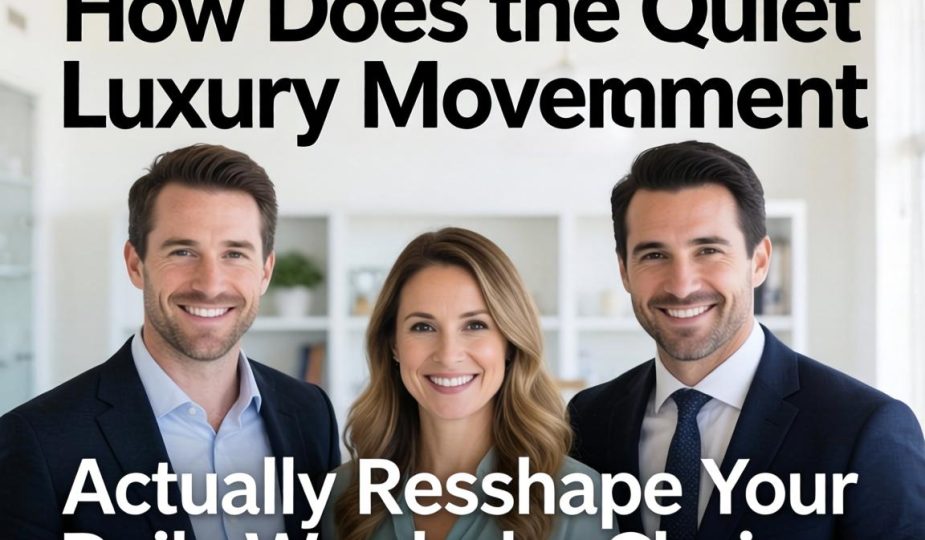
So, guys, have you noticed how everyone’s suddenly whispering about “quiet luxury” instead of screaming logos? I mean, just scroll through your Instagram feed—gone are the days of head-to-toe monograms. Instead, we’re seeing cashmere in oatmeal tones, perfectly tailored trousers without a single visible stitch of branding, and handbags that cost more than rent but look like… well, nothing special at first glance.Let’s be real here. The quiet luxury trend isn’t just another buzzword fashion editors throw around. It’s actually shifting how we shop, how we style ourselves, and honestly? How we signal status in 2024 and beyond. A lot of people ask me whether this means minimalism is back, but that’s not quite it. This is different. This is about investment pieces
that feel personal rather than performative.You might be wondering what sparked this whole movement. From my view, it started brewing during the pandemic when everyone was stuck at home, staring at their closets full of trendy nonsense they’d bought for one wedding or that one vacation. We all had that moment of “why did I buy this neon green puff sleeve dress?” Right? The shift toward sustainable fashion
and capsule wardrobes
wasn’t just ethical—it was practical. People wanted things that lasted.Here’s what I think really defines quiet luxury versus just… basic clothes:
| Quiet Luxury | Just Basic |
|---|---|
| Impeccable construction
you notice when you touch it |
Cheap seams that unravel after three washes |
| Natural fibers
—silk, wool, linen, high-grade cotton |
Polyester blends that feel like plastic |
| Timeless silhouettes
that work in 2024 or 2034 |
Trendy cuts that date themselves in six months |
| Subtle hardware
or no logos at all |
Flashy zippers, obvious branding |
But here’s where it gets interesting. Most people don’t notice the difference between a $200 coat and a $2000 coat from across the room. So why are we paying more? Keep reading, because this is the part where I get a little philosophical.The truth is, quiet luxury is about the experience of wearing
something exceptional. It’s about how that Italian wool coat feels when you slip it on. It’s knowing your sweater was knitted by someone who actually cares about tension and stitch count. It’s the slow fashion
mindset—buying less, choosing better, and actually wearing everything you own.What does this mean for the season? Well, I’ve been watching the runway shows and street style photographers pretty obsessively. The brands getting it right—think The Row, Loro Piana, old-school Jil Sander, even some surprising pieces from COS and Uniqlo’s premium lines—are focusing on neutral color palettes
. We’re talking greige, camel, slate blue, that particular shade of ivory that isn’t quite white. These colors photograph beautifully but more importantly, they mix seamlessly
with everything else you own.From my view, the accessibility angle matters too. Not everyone can drop three grand on a coat, and honestly? You don’t need to. The quiet luxury aesthetic is about intentionality
more than price tags. I’ve found incredible vintage pieces at estate sales that have that same vibe. The key is looking for:
- Natural fabric content
above 80%
- Classic proportions
that don’t fight your body
- Quality closures
—buttons should feel substantial, zippers should glide
- Interior finishing
that looks as good as the exterior
You might be wondering if this trend kills creativity. Like, are we all just going to wear beige sack dresses forever? I don’t think so. Actually, I think quiet luxury creates space for better personal style expression
. When your clothes aren’t shouting, you can play more with accessories, with makeup, with how you actually move through the world. It becomes about styling
rather than just consuming.A lot of people ask me about specific pieces worth investing in. Here’s my honest take:The non-negotiables:
- One perfect white cotton shirt
(not too crisp, not too slouchy)
- Tailored trousers
in a weight that works three seasons
- A cashmere crewneck
in a color that makes you look alive
- Leather loafers
or boots that have already been broken in by someone else (vintage is your friend here)
- One structured bag
that fits your actual daily life, not just your aesthetic dreams
But let’s talk about the psychology for a second. Why do we gravitate toward this now? I think we’re tired. Tired of the ultra-fast fashion
cycle, tired of algorithms showing us the same Shein hauls, tired of clothes that fall apart emotionally before they do physically. There’s something almost rebellious about wearing a $400 sweater for the tenth time this month and having it look exactly the same as the first time.The fashion industry
is definitely responding. Even mass retailers are launching “premium” lines with better materials. H&M has their Conscious Exclusive drops. Zara keeps trying with their Origins collection (hit or miss, but getting better). The real question is whether these democratized versions capture the essence or just the aesthetic. From what I’ve tested, it’s mixed. Some pieces absolutely nail the fabric quality
, others are just… beige.What does this mean for how we shop going forward? I think we’re seeing a permanent shift in consumer behavior
. People are researching fabric composition
now. They’re asking about supply chains
. They want to know why something costs what it costs. That’s huge for an industry that’s historically been pretty opaque about production.Here’s what I think happens next. The quiet luxury movement will probably split into two paths. One is the true investment piece route—saving up for that one perfect thing. The other is the democratized minimalism
path, where we all get better at identifying quality at every price point and building wardrobes that actually make sense for our lives.Most people don’t notice this, but the rise of resale platforms
like The RealReal, Vestiaire Collective, even eBay’s luxury authentication program—they’re all part of this same energy. We’re valuing things that last. We’re willing to hunt for them. The thrill of the find
is becoming as satisfying as the thrill of the buy.So where does that leave us? Honestly, I think we’re in a pretty exciting moment for personal style. The pressure to constantly consume newness is lifting slightly. Instead, there’s space to actually develop taste
. To figure out what textures you love against your skin, what shapes make you feel powerful, what colors actually suit your life rather than just your Pinterest boards.From my view, the best thing you can do right now is audit your closet. Not in a Marie Kondo “does it spark joy” way, but in a “does this represent who I want to be” way. Be ruthless about synthetic fabrics
that pill immediately. Be honest about those “maybe someday” pieces. Keep the things that feel like quiet luxury
to you, whatever your budget.The season ahead? I’m predicting more relaxed tailoring
, more unexpected texture combinations
(wool with silk, leather with cashmere), and a continued rejection of anything that feels like it’s trying too hard. The most stylish people I know right now look like they just… got dressed. No fuss, no obvious effort, but every piece clearly chosen with care.You might be wondering if I’ll keep buying into this trend. Here’s the thing—I’m not sure it’s a trend anymore. I think it’s a correction. Fashion got too loud, too fast, too disposable. Quiet luxury feels like the pendulum swinging toward something more sustainable, not just environmentally but emotionally. And that? That feels worth investing in.