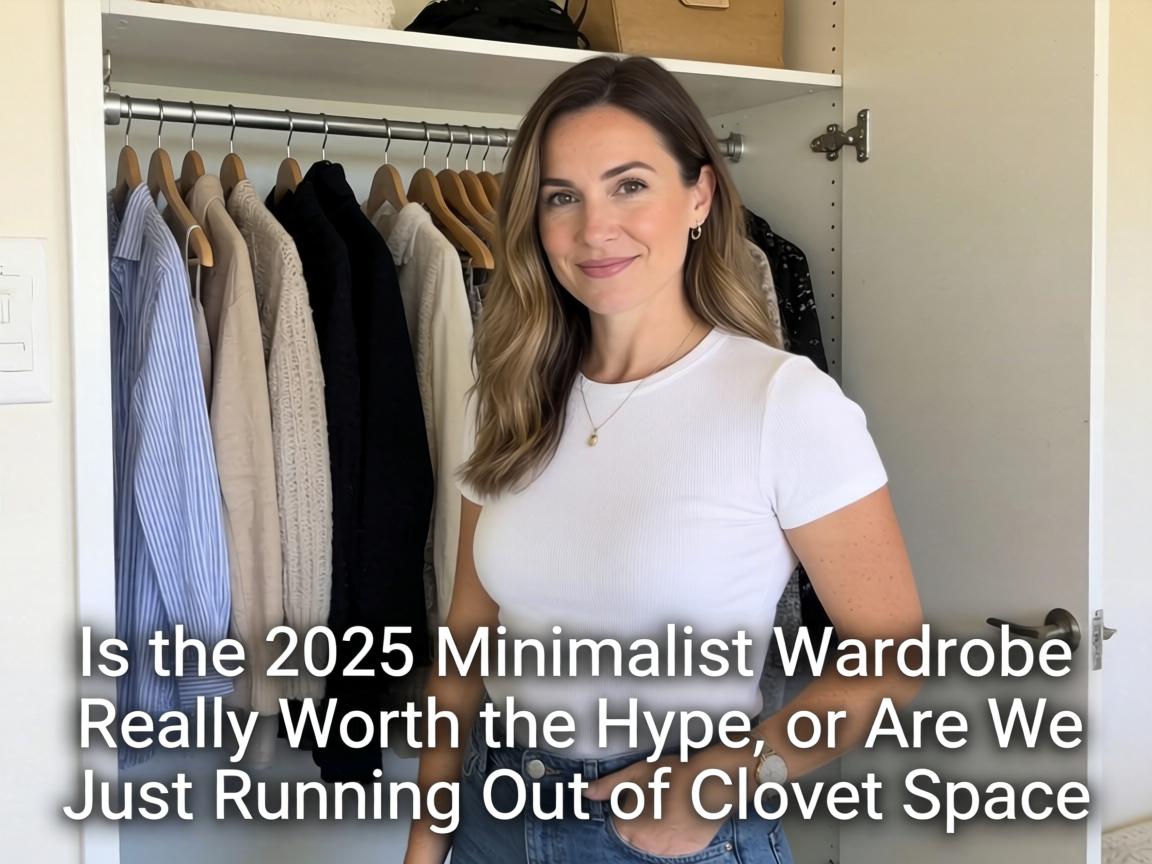
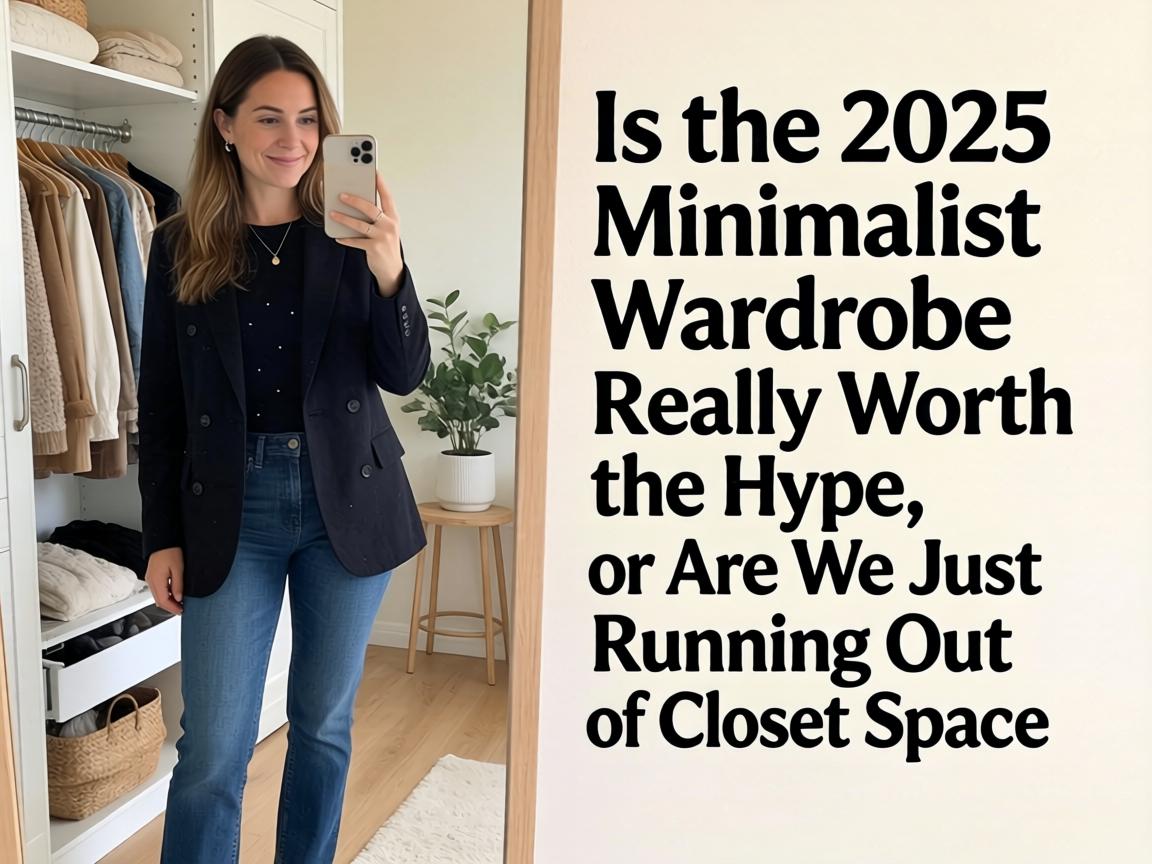
Guys, let’s be real—how many times have you opened your closet this season and felt… nothing? Like, zero excitement? I’ve been there. Last Tuesday, I stood in front of my rack for maybe 20 minutes, and I realized something weird: I own probably 80 pieces but wear the same 12 on repeat.
That’s when I started digging into this whole “capsule wardrobe” movement everyone’s been whispering about on TikTok and in those glossy Pinterest boards.So what does this mean for the season, actually? Well, the minimalist fashion trend isn’t just about owning less—it’s about owning better. And honestly? A lot of people ask me whether dropping serious cash on five quality items beats hoarding thirty fast-fashion finds. From my view, the math checks out differently than you’d expect.You might be wondering how this even became a thing. It started creeping back in late 2023, but 2025 is when it went mainstream. Think quiet luxury meets actual practicality
. We’re talking neutral palettes, natural fabrics, and silhouettes that don’t scream for attention
but somehow get all of it anyway. The runways from Milan to Copenhagen were basically whispering instead of shouting, and that energy trickled down fast.Here’s what I think about the core pieces everyone keeps listing. You’ve got your tailored trousers, the perfect white tee (not the see-through kind, please), a structured blazer that doesn’t feel like armor, and one really great coat. But wait—what makes these “essential” anyway?
I asked myself that last month while decluttering, and the answer surprised me. It’s not versatility in the boring sense. It’s that each piece needs to work for three different scenarios minimum
: coffee run, casual office, and dinner where you want to look like you tried without trying too hard.Most people don’t notice this, but the fabric weight matters more than the cut sometimes. That blazer I mentioned? 14-ounce wool holds its shape through subway commutes and spontaneous rain.
Anything lighter looks expensive for exactly one wear, then sad forever. Keep reading, because this is where I started changing how I shop.Let me break down the comparison that actually helped me decide what stays and what goes:
| What People Think Works | What Actually Works |
|---|---|
| Buying trendy “basics” every season | Investing in time-neutral cuts
that ignore trend cycles |
| Owning seven similar black dresses | Owning one
with real seam construction and pockets |
| Statement accessories to “elevate” simple outfits | Quality hardware
on the bags you already own—zippers that don’t snag, clasps that click |
The self-questioning part comes in here: but doesn’t this get boring?
I worried about that too. Turns out, when your clothes actually fit well and feel good against your skin, you stop craving the dopamine hit of something new every week. It’s like… your brain adjusts? I noticed this after about six weeks of wearing only my edited selection. The urge to scroll shopping apps at midnight basically disappeared.Another thing—sizing consistency is the hidden luxury.
I measured three of my favorite vintage finds and compared them to modern “minimalist” brands. The older pieces had 1.5-inch variation between labeled sizes
, while newer intentional brands stick to 0.5-inch tolerances
. That’s the difference between “almost fits” and “fits like it was made for you.” Small detail, huge impact on how put-together you look.From my view, the color conversation needs updating too. Everyone says “stick to neutrals,” but which neutrals?
Warm ivory reads completely different than cool optic white. Olive and camel pair beautifully, but olive and beige? Flat. I learned this by laying everything out on my bed and photographing it—sounds extra, but your eye catches clashes your mirror hides.What about seasonal transitions? You might be wondering how minimalism works when weather swings 40 degrees. The trick isn’t layering more pieces—it’s layering smarter pieces
. A merino base layer
under that structured blazer handles more temperature range than a bulky sweater ever could. 18.5 microns or finer
for the wool, by the way. Anything thicker and you’re just… bulky.I’ve been testing this approach for four months now. The unexpected benefit? Getting dressed takes under three minutes
, and I actually like every outfit. My dry cleaning bill dropped, which I didn’t calculate beforehand but definitely appreciate. The upfront cost stung—probably 3x my usual seasonal spend
—but spread over wear count, I’m already at cost-per-wear under $8
on my trousers, and they look new.So is the 2025 minimalist wardrobe worth it? Here’s my honest take: only if you’re tired of your own chaos.
If you love the hunt of fast fashion, this will feel like punishment. But if you’re exhausted by decision fatigue and clothes that fall apart in the wash? The investment pays back in mental space, not just closet space. That’s the part nobody puts in the glossy captions, but it’s probably the most valuable trend of all.