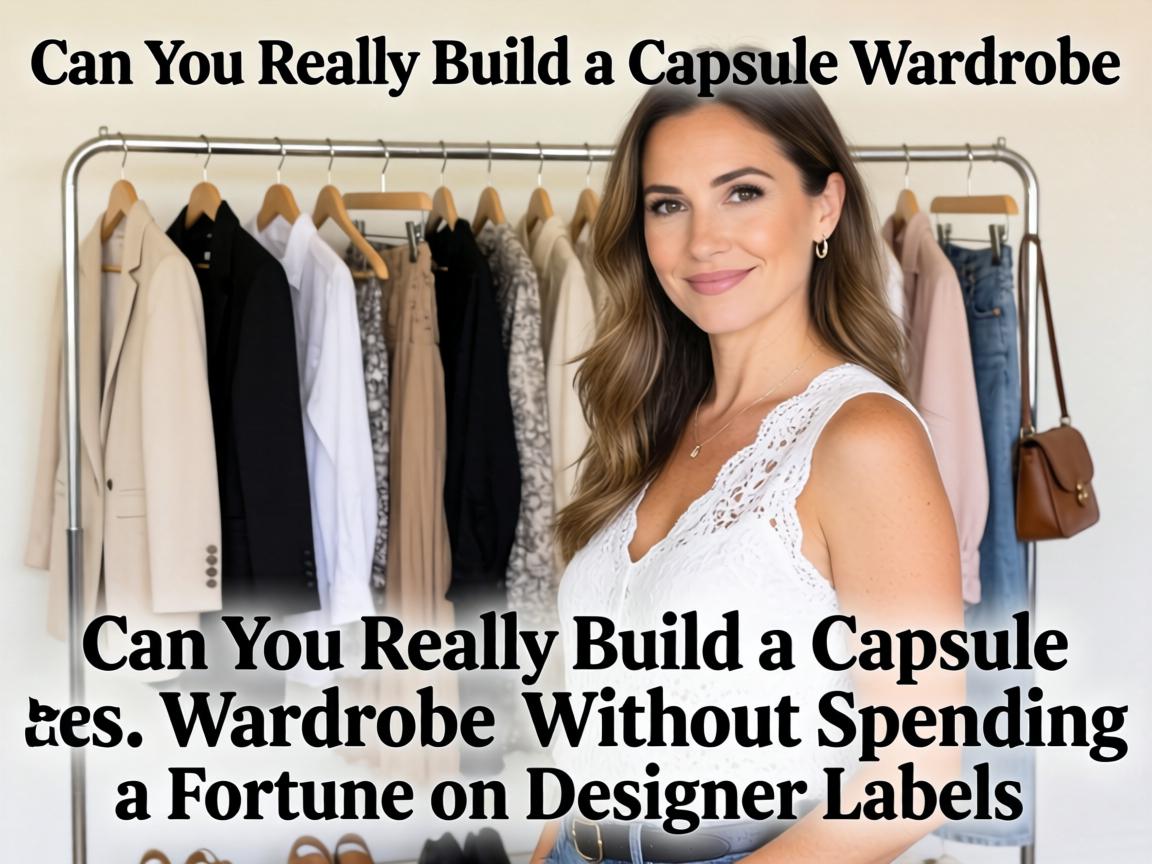
So here’s the thing everyone keeps asking me—how do you actually build a wardrobe that works without draining your entire savings account? I mean, capsule wardrobe
this, minimalist style
that… it all sounds expensive when you see those Pinterest boards full of Celine and The Row.But let me tell you, it doesn’t have to be. I’ve been experimenting with this for months, and there are definitely ways to nail that effortless chic aesthetic
on a realistic budget.What Even Counts as “Capsule” These Days?
You might be wondering if the rules have changed. They have. The old idea was like… 33 items total, period. Very strict. Very 2014. Now? It’s more about intentional cohesion
. Pieces that actually talk to each other. A lot of people ask me about the exact number, and honestly, I don’t count anymore. If everything works together, that’s your capsule.From my view, the magic number is somewhere between 25 and 40 pieces depending on your lifestyle. But here’s what I think matters more—the ratio
.The High-Low Mix That Actually Works
Let’s be real. You can’t go full fast fashion and expect things to last. But you also don’t need everything to be investment dressing
. I’ve found this breakdown keeps my closet functional without the guilt:
- 60% mid-range basics
(think Everlane, Uniqlo U, COS—these hit that quiet luxury
vibe without the markup)
- 25% vintage/thrifted statement pieces
(unique textures, interesting silhouettes, that sustainable fashion
angle)
- 15% splurge items
(the things you wear constantly—good denim, one perfect coat, quality footwear)
Most people don’t notice the difference between a $40 merino sweater and a $400 one after six months of washing. The fabric pills either way if you don’t care for it properly.Building From Scratch: Where to Start
What does this mean for the season? Spring is actually the hardest time to build a capsule because everything feels temporary. My strategy:
| Category | Budget-Friendly Picks | Why It Works |
|---|---|---|
| Outerwear | Thrifted wool coats, vintage trenches | Structure elevates everything underneath |
| Tops | Solid-color tees in organic cotton
, one silk-ish blouse |
Layering potential is everything |
| Bottoms | One wide-leg trouser, one vintage denim, one midi skirt | Covers 90% of occasions |
| Shoes | Loafers, clean white sneakers, one heeled boot | The old money aesthetic
lives here |
The Mistake I See Everywhere
Guys, I cannot stress this enough—stop buying “maybe” pieces
. You know the ones. The trendy top that sort of fits but you’ll “make it work.” The color that’s almost right. These are capsule killers.Here’s what I think: every item needs to earn its place through versatility
AND joy
. Not just one or the other. That floral dress you wear twice a year? If those two times make you genuinely happy, keep it. But the blazer that technically goes with everything but you hate wearing? Gone.Quality Markers That Don’t Require a Fashion Degree
Keep reading if you want the actual checklist I use when shopping:
- Natural fiber content
above 70% (linen, cotton, wool, silk blends)
- Lined trousers
—unlined ones bag out weirdly fast
- Reinforced seams
on shoulders and stress points
- Functional pockets
(this shouldn’t be a luxury feature but here we are)
Sustainable Fashion on a Budget: Is It Possible?
This is where it gets tricky. True ethical fashion
with transparent supply chains tends to cost more because it should. But there are hacks:
- End-of-season sales
from responsible brands—their margin is built in, you’re just timing it right
- Clothing rental
for one-off events (I’ve used this for weddings, it works)
- Local alterations
to make thrifted pieces fit like custom
The circular fashion
approach—buying secondhand, repairing, reselling—actually saves money long-term. I’ve tracked my spending for two years and my clothing budget dropped 30% when I committed to this.What About Trend Pieces?
You might be wondering if a capsule means never having fun. Absolutely not. I allow myself 2-3 micro-trend experiments
per season. Currently? That oversized scarf
situation happening everywhere. It’s probably temporary but I’m enjoying the drama.The key is keeping these in a separate mental category. They’re not part of the capsule foundation. They’re… visitors.My Honest Take
From my view, the best wardrobes aren’t built overnight. Mine took about 18 months to feel truly cohesive. There were mistakes. The expensive trousers that stretched weirdly. The “perfect” white tee that went see-through after four washes.But now? Getting dressed takes five minutes and I actually like everything I own. That feels like the real luxury—not the price tags, but the decision fatigue
being gone.So can you build this without designer labels? Yes. It takes patience, a bit of hunting, and the willingness to wait for the right piece instead of grabbing the okay one. But the result is better than any luxury haul video
promises.