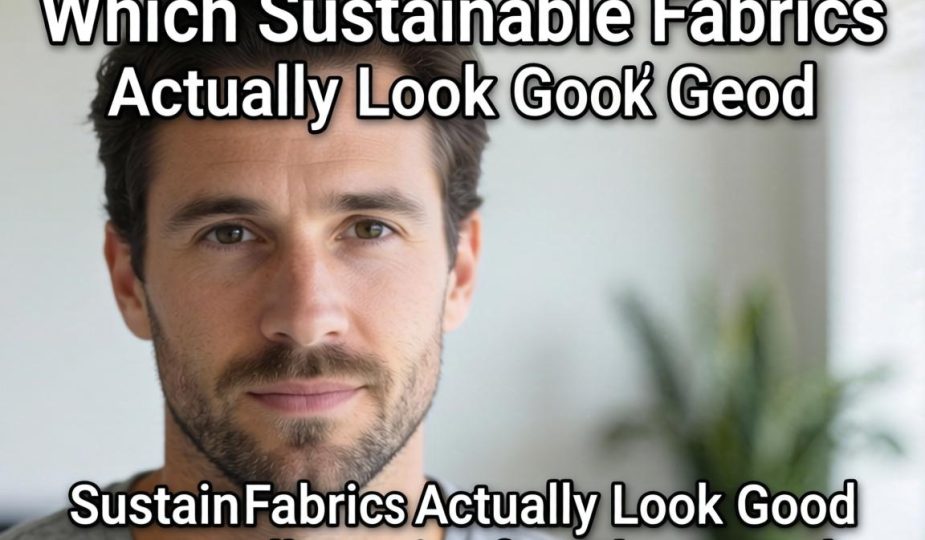
So, sustainable fashion. Everyone’s talking about it, right? But a lot of people ask me
the same thing—yeah, eco-friendly is great and all, but do these clothes actually hold up? And more importantly, do they look… expensive? Because let’s be real, we’ve all bought that “organic cotton” tee that went shapeless after one summer.Here’s the thing though—sustainable fabrics have come a long way
. I’m talking about materials that don’t just save the planet but actually compete with your favorite fast-fashion finds. Search terms like “ethical wardrobe basics” and “organic linen outfit ideas” are absolutely exploding right now. That tells me you guys are actually trying to make better choices. Respect.But where do you even start?
You might be wondering if you need to overhaul your entire closet. Spoiler: you don’t. From my view, it’s about swapping in the right pieces that work harder for you.The Fabrics That Actually Deliver
Okay, so not all eco-friendly materials are created equal. Some are genuinely game-changers. Others? Still feel like you’re wearing a burlap sack. Here’s what I think
worth investing in:
| Fabric | Why It Works | Best For | Watch Out For |
|---|---|---|---|
| Tencel/Lyocell
|
Drapes like silk, breathes like cotton, uses way less water | Dresses, blouses, wide-leg trousers | Can pill if you wash it too hot |
| Organic Linen
|
Gets softer with every wash, that effortless “I summer in the South of France” vibe | Summer suits, button-downs, relaxed pants | Wrinkles—embrace it or steam it |
| Recycled Wool
|
Same warmth, less landfill waste, often cheaper than virgin wool | Coats, knits, winter accessories | Check the blend percentage |
| Deadstock Silk
|
Literally leftover fabric from luxury houses, unique and limited | Special occasion pieces, scarves | Harder to find, grab when you see it |
What Does This Mean for the Season?
Spring 2026 is leaning hard into “quiet sustainability.” That’s my phrase for it anyway. It’s not about screaming “I’M WEARING HEMP!” It’s about pieces that look elevated but happen to be made from regenerative cotton
or closed-loop viscose
. The fashion crowd has moved past performative eco-consciousness. Now it’s just… expected.The Questions I Get Constantly
Is organic cotton actually better? Okay, so most people don’t notice
this, but “organic” only refers to how the cotton is grown, not how it’s processed. You want GOTS certified
if you care about the whole supply chain. I learned that the hard way after buying a “organic” shirt that still smelled like chemicals. Gross.What about recycled polyester? Let’s be real
—it’s not perfect. It sheds microplastics when you wash it. But for things like outerwear or activewear where you need performance? It’s better than virgin plastic. I have a recycled puffer that’s going on three winters now. Still puffy. Still warm.Can sustainable look trendy? This question actually annoys me a little, not gonna lie. Sustainable isn’t a style. It’s a method. You can find minimalist capsule wardrobe
pieces or maximalist prints made from eco fabrics. The aesthetic is separate from the sourcing.The Investment Math
People always want to know if it’s worth the price jump. So here’s my breakdown—a well-made Tencel blouse costs maybe $80-120
versus a $25 polyester version. But I’ve had my Tencel one for four years. The polyester? Probably would have been donated after one season. So who’s really saving money?Keep reading
because this part matters—care instructions. Sustainable fabrics last longer, but only if you treat them right. Cold water, air dry when possible, stop washing things that aren’t dirty. I know, I know, basic stuff. But the data shows
that extending a garment’s life by just nine months reduces its environmental impact by 20-30%. That’s huge.My Personal Observations
From my view, the brands getting it right right now are the ones not making a big deal about it. Like, their hangtags might mention the fabric source, but they’re not hitting you over the head with sustainability messaging. That confidence reads as luxury. And honestly? The best sustainable pieces are the ones people compliment without knowing they’re eco-friendly.
I tried this experiment last month. Wore a deadstock silk skirt to dinner. Three people asked where I got it. When I explained it was made from leftover fabric from a major designer’s 2024 collection? They were actually interested. Not preachy. Just… cool.The Reality Check
Guys, I’m not here to tell you to throw out your entire wardrobe and start over. That’s actually the opposite of sustainable. But next time you need something—a white tee, a winter coat, those perfect trousers—maybe check the label. Look for Lenzing fibers, GOTS cotton, or recycled content.
It’s not that hard anymore. Most decent brands list this stuff prominently because they know you care.One last thing—don’t fall for greenwashing
. If a brand says “eco-conscious” but can’t tell you what that means? Red flag. Real sustainability has certifications, transparency, usually a higher price point that reflects fair wages. It shouldn’t be a marketing buzzword.So yeah. Sustainable fabrics that look good and last? They exist. You just have to know what to look for. And honestly? Once you start noticing quality, it’s hard to go back to the thin, scratchy stuff. Your skin will thank you. Your closet will thank you. And maybe—just maybe—the planet too.