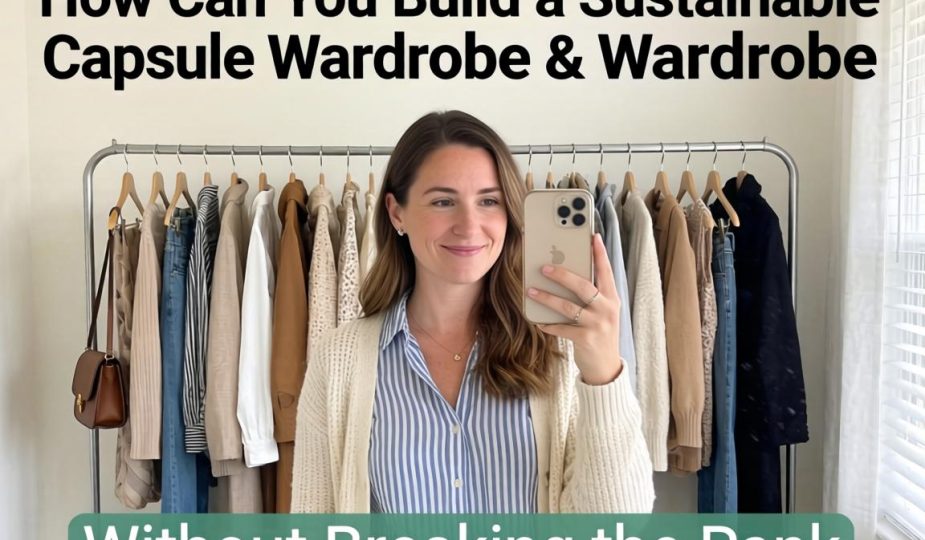
Ever looked at those capsule wardrobe
Pinterest boards and felt immediate overwhelm? Like, who has the budget to buy twelve “perfect” pieces all at once? And yet… the idea of opening your closet and actually loving everything in there? That’s the dream, right? Especially now with sustainable fashion
being less of a niche concern and more of a mainstream necessity.A lot of people ask me whether building an ethical wardrobe means spending thousands upfront. Here’s what I think: absolutely not. The slow fashion
movement isn’t about privilege—it’s about intention. And intention, thankfully, is free. It just requires thinking differently about how we acquire clothes in the first place.You might be wondering where to even begin when everything seems so expensive. From my view, the secret is starting with what you already own. I know, revolutionary concept. But most of us wear maybe 20% of our clothes 80% of the time
anyway. So why not… identify that 20% first? Build around what’s already working.Let’s be real though—eventually you’ll need to fill gaps. And that’s where strategy matters.So how do you shop sustainably on a realistic budget?
The hierarchy looks different than conventional advice suggests. Here’s my personal approach:
| Priority | Why It Works | Budget Impact |
|---|---|---|
| Secondhand first
|
Extends garment lifecycle, unique finds | 60-80% less
than retail |
| Investment basics
|
Cost-per-wear math favors quality | Higher upfront, lower long-term |
| Support emerging designers
|
Often more transparent, personal connection | Mid-range, ethical production |
| Rental for occasions
|
One-time needs without ownership guilt | Fraction of purchase price |
| Repair and alter
|
Extends life of existing pieces | Minimal, often DIY |
But what about trends? Don’t you miss out?
This is the fear that keeps people in the fast fashion cycle. What does this mean for the season? Honestly, the micro-trend
era is exhausting everyone. We’re seeing a shift toward timeless pieces
with trend-adjacent styling. That vintage denim jacket
you thrifted? It works with the quiet luxury
aesthetic, the coastal grandmother
vibe, whatever comes next. Versatility beats novelty.You might be wondering about those investment pieces everyone mentions. Which ones actually deserve your limited funds? From my view: outerwear, footwear, and base layers
. These are the workhorses. A cheap coat looks cheap forever. Uncomfortable shoes ruin your entire day. And synthetic fabrics against your skin? No thanks.Keep reading, because the maintenance part is where most people slip up…The care factor—why it matters more than the purchase
Here’s what I think most guides miss: sustainable fashion isn’t just about buying better. It’s about making things last
. I used to wash everything after one wear because… habit? Now I’m strategic. Spot cleaning
, airing out
, proper storage
—these boring habits extend garment life by years. My merino wool sweaters
? They get washed maybe twice a season.Most people don’t notice when you repeat outfits. They notice when you look uncomfortable or like you’re trying too hard. The confidence that comes from knowing your clothes fit well and feel good? That’s the slow fashion
payoff.But how do you resist the constant newness?
Let’s be real—social media
makes this hard. The haul videos
, the unboxings
, the constant new arrivals
notifications. From my view, curating your digital environment matters as much as curating your closet. Unfollow accounts that make you feel inadequate. Follow people who restyle existing pieces
creatively. The algorithm adjusts, and suddenly your feed feels less… acquisitive.You might be wondering if capsule wardrobes are boring. That’s the stereotype, right? Beige everything, no personality. But here’s the thing—constraints breed creativity
. Some of my favorite outfits came from being forced to combine pieces I’d never considered pairing. That olive utility shirt
with the burgundy wide-leg trousers
? Unexpected magic.Guys, the goal isn’t perfection. It’s progress toward intentionality. Every time you choose secondhand
over new, every time you repair
instead of replace, every time you sleep on it
before clicking buy—you’re building something better.What does this mean for the season ahead? I believe we’re entering an era where transparency
matters more than marketing. People want to know who made their clothes, under what conditions, from what materials. The brands leaning into this—showing their supply chains
, their fabric sourcing
, their maker stories
—are the ones earning loyalty now.From my view, the most sustainable wardrobe is the one you actually wear. Sounds obvious, but how many “perfect” purchases sit untouched because they don’t fit your real life? Buy for the commute you actually have
, the body you actually inhabit
, the style you actually enjoy
. Not the imaginary version.You might be wondering if it’s too late to start. If your closet is already full of fast fashion mistakes? It’s not. Transition gradually. Wear what you have
until it wears out. Then replace thoughtfully. The circular fashion
economy needs your participation, not your perfection.