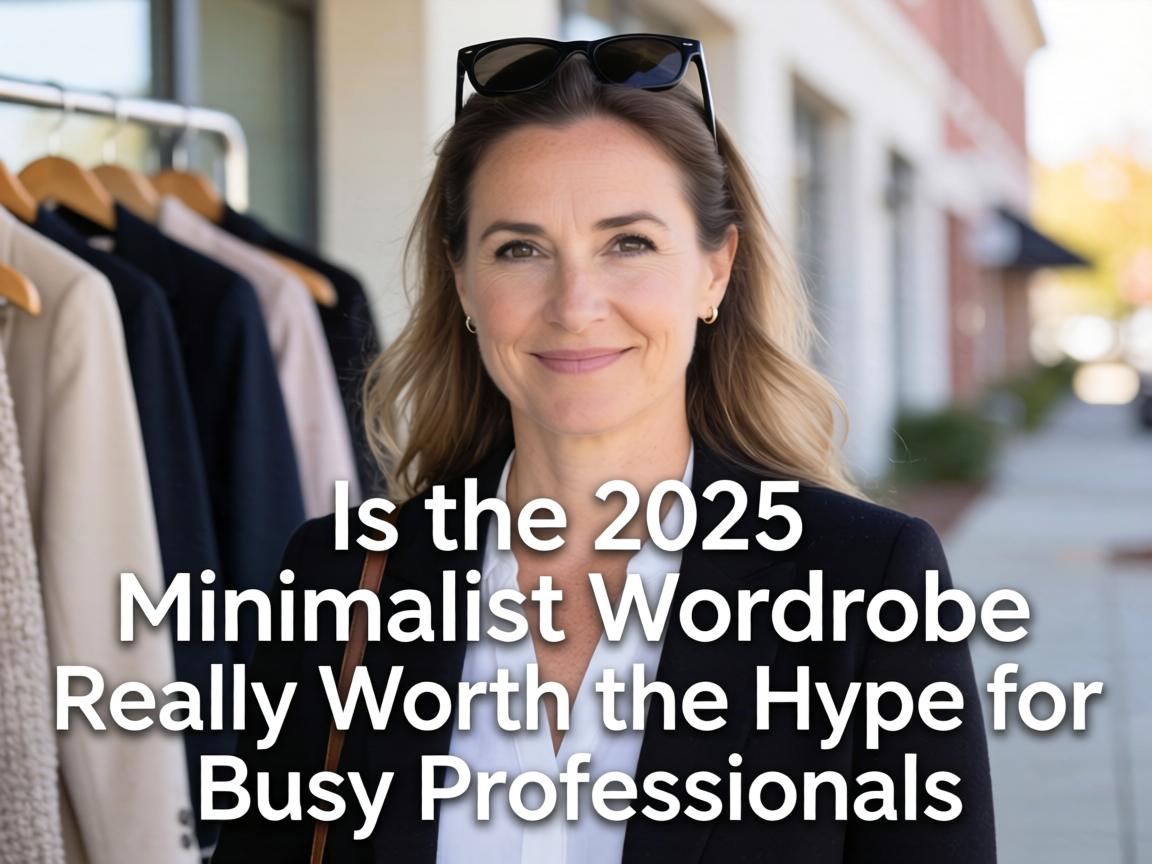
Guys, let’s be real—how many times have you stared at a closet full of clothes and still felt like you had nothing to wear? If you’re nodding right now, you’re definitely not alone. The capsule wardrobe trend
has been everywhere lately, from Pinterest boards to TikTok “get ready with me” videos, but does it actually work for people with real jobs and real schedules?I’ve been testing this whole minimalist fashion thing for about eight months now, and honestly? There are some things I love and some things that make me want to pull my hair out. Let me walk you through what I’ve learned because a lot of people ask me whether this is just another passing fad or something that could actually change how you get dressed every morning.What Even Is a Capsule Wardrobe in 2025?
You might be wondering if this is the same concept from five years ago. Not exactly. The 2025 version is… softer, I guess? Less rigid. We’re talking about 25-35 versatile pieces
that mix and match rather than those extreme “37 items for the entire year” challenges that used to dominate the conversation. Think quality over quantity, but with room for personality.From my view, the biggest shift has been toward sustainable fabrics
and neutral palettes with strategic pops of color
. Most people don’t notice that even fast fashion retailers are pushing “investment pieces” now—probably because consumer behavior is changing faster than anyone predicted.The Real Numbers Behind the Trend
Let’s look at some data that actually matters:
| Aspect | Traditional Wardrobe | 2025 Capsule Approach |
|---|---|---|
| Average annual spend | $1,800-$2,400 | $900-$1,200 |
| Decision fatigue (daily) | High | Moderate to Low |
| Outfit combinations | Limited by volume | Strategic versatility |
| Environmental impact | Higher waste | ~30% reduction |
But here’s what I think—these numbers only tell half the story. The psychological benefit of opening your closet and immediately seeing three viable outfit options? That’s hard to quantify but easy to feel.The Questions Nobody Asks (But Should)
Okay, so what does this mean for the season? I keep seeing these perfectly curated minimalist closets on Instagram, and you know what? Half of them probably belong to influencers who get sent free clothes constantly. For the rest of us, building a capsule wardrobe requires actual strategy.You might be wondering about seasonal transitions. Do you really need separate capsules for spring and fall? In my experience… kind of? But not how the purists suggest. I’ve found that keeping about 60% year-round basics
and rotating 40% seasonal pieces
works way better than starting from scratch every three months.Another thing people rarely mention: fit fluctuations
. If your weight changes seasonally (totally normal, by the way), a rigid capsule becomes stressful fast. I learned this the hard way when my “perfect blazer” stopped buttoning comfortably last winter. Keep reading, because I’ll share how I adjusted my approach after that little disaster.The Honest Pros and Cons
Let’s break this down properly:What Actually Works:
- Morning efficiency
—I’ve cut my getting-ready time from 25 minutes to about 8 minutes on average. That’s real time saved.
- Packing for travel
becomes almost enjoyable when everything coordinates
- Decision fatigue
is genuinely reduced, which cognitive science actually supports
- Cost per wear
drops dramatically on quality pieces
What Drives Me Crazy:
- The initial investment feels painful, even if it saves money long-term
- Laundry becomes more critical—when you own fewer clothes, one delayed wash cycle creates chaos
- Social pressure to maintain the “aesthetic” can feel performative
- Trend participation becomes harder (which might be a pro, depending on your perspective)
Is It Right for Your Lifestyle?
Here’s where I get a bit controversial. I don’t think the capsule wardrobe works for everyone, and the fashion industry’s push toward universal minimalism ignores some realities. If you work in a creative field with diverse dress codes, or if you genuinely enjoy fashion experimentation as a hobby, forcing yourself into constraints might actually diminish your quality of life.However. If you’re someone who views getting dressed as a necessary task rather than a joyful expression—yeah, this could be liberating. The key is intentional flexibility
rather than rigid rules.My Personal Take After Eight Months
So where do I land on this? I’m keeping about 70% of the capsule approach. I’ve identified my core uniform pieces
—high-waisted trousers, structured knits, one great coat, quality boots—and I’m ruthless about fit and fabric with those. But I’ve given myself permission to have a “wild card” section for pieces that spark joy without needing to justify their versatility.The sustainable fashion angle matters to me more than I expected, too. Knowing my clothes are getting proper use rather than sitting unworn changes how I feel about consumption generally. That psychological shift was unexpected but welcome.Final Thoughts (Without the Formal Summary)
Look, fashion should serve your life, not complicate it. The 2025 minimalist wardrobe trend offers genuine practical benefits—time saved, money conserved, mental clarity gained—but it’s not a moral superiority thing. Some of my most stylish friends have overflowing closets and zero stress about it. The goal is alignment between your values, your lifestyle, and your closet.If you’re curious about trying this, start smaller than the guides suggest. Pick five pieces you already own and love, then build around them organically. Don’t buy the “perfect capsule wardrobe starter pack” from some influencer’s affiliate link. Your life is specific; your clothes should be too.What does this mean for the season? Probably that we’ll see even more hybrid approaches—structured minimalism with intentional exceptions. And honestly? That sounds like the healthiest evolution yet.