Quiet luxury. If you’ve scrolled through fashion week coverage or watched Succession (which, let’s be real, basically wrote the style guide for this trend), you’ve seen it. Neutral palettes, impeccable tailoring, zero logos.
But is this aesthetic actually wearable for normal people, or is it just another way to make minimalism sound expensive? A lot of people ask me whether investing in these “elevated basics” is smart or just… well, a way to feel superior about wearing beige.Here’s what I think. The term itself is annoying—”quiet luxury” sounds like something a marketing team invented after focus groups. But the idea? It’s not new. It’s what wealthy people have always worn. The difference now is that TikTok found out about it, and suddenly everyone’s hunting for the perfect cashmere crewneck
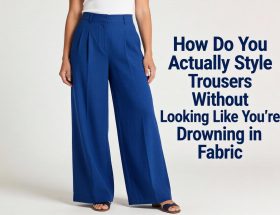
and tailored trousers
that look like they cost a mortgage payment.So What Counts as Quiet Luxury Anyway?
You might be wondering where the line is. Like, is my Uniqlo sweater quiet luxury? Probably not. The vibe is more about intentional fabric choices
and construction details
that most people don’t notice. Think:
- Double-faced wool coats
with hand-stitched seams
- Silk blouses
in colors like oatmeal, slate, and moss
- Leather goods
so soft they feel like butter, with no visible branding
- Gold jewelry
that’s delicate, not chunky statement pieces
The key is that nothing screams. Everything whispers. And honestly? From my view, that’s harder to pull off than loud prints and obvious logos. Anyone can wear a Gucci belt. Not everyone can make a plain white shirt look expensive.The Price Tag Reality Check
Let’s be real for a second. True quiet luxury—The Row, Loro Piana, Brunello Cucinelli
—is stupid expensive. Like, “I could buy a car” expensive. But the aesthetic? That’s more accessible than the brands want you to think. The trick is focusing on fit and fabric
over labels.I did a little comparison to show what I mean:
| Element | Investment Piece ($$$) | Smart Alternative ($) | What to Look For |
|---|---|---|---|
| White button-down
|
The Row ($990) | Everlane or COS ($60-80) | Heavy cotton, structured collar, no see-through |
| Tailored trousers
|
Loro Piana ($1,800) | Arket or Massimo Dutti ($120-150) | Wool blend, proper lining, crease holds |
| Cashmere sweater
|
Brunello Cucinelli ($1,200) | Quince or Naadam ($50-100) | Gauge weight (thicker = better), no pilling after wash |
| Leather tote
|
The Row ($3,900) | Cuyana or Polène ($200-400) | Full-grain leather, minimal hardware, structured base |
What does this mean for the season? It means you can participate in the trend without declaring bankruptcy. The silhouette matters more than the label inside.Why It Works (When It Works)
Keep reading, because this is where I get opinionated. Quiet luxury works best on people who already have confidence. It’s not about hiding; it’s about not needing to announce. The clothes become a backdrop for the person. That’s why it looks so good on older women and men in positions of power—they’ve got nothing to prove.But for the rest of us? It can read as boring. Or like we’re trying too hard to seem grown-up. I’ve seen people spend thousands to look like they’re wearing pajamas to brunch. The line between “effortlessly chic” and “gave up” is razor-thin.My Personal Take on Making It Yours
You might be wondering how to avoid looking like you’re cosplaying as a billionaire. Here’s what I do:
- Add one “loud” element.
Not logos—texture. A vintage silk scarf. An interesting shoe shape. Something that suggests personality.
- Mix price points aggressively.
My best quiet luxury outfit combines a thrifted men’s blazer, a Quince cashmere tee, and trousers I had tailored for $30. The tailoring is what sells it.
- Pay attention to
condition
. Quiet luxury doesn’t do pilling, scuffs, or loose threads. These pieces need maintenance. Dry clean your coats. Condition your leather. It’s high-maintenance minimalism.
Will This Trend Last?
Most people don’t notice this, but quiet luxury comes back every time the economy wobbles. It’s recession dressing. When things feel unstable, flashy spending looks tacky. Subtle wealth signals safety. So yes, it’ll stick around for a while, then morph into something else. Maybe maximalism will roar back. Maybe we’ll all start wearing neon again.But the pieces themselves? A good camel coat doesn’t expire. Neither do well-cut trousers. So if you’re buying quality, you’re not really following a trend. You’re just… dressing better.Here’s what I think in the end. Call it quiet luxury, call it old money style, call it “my grandmother’s wardrobe.” The name doesn’t matter. What matters is whether you feel like yourself in it, or like you’re wearing a costume. If it’s the latter, skip it. There’s nothing luxurious about feeling uncomfortable in your own clothes.