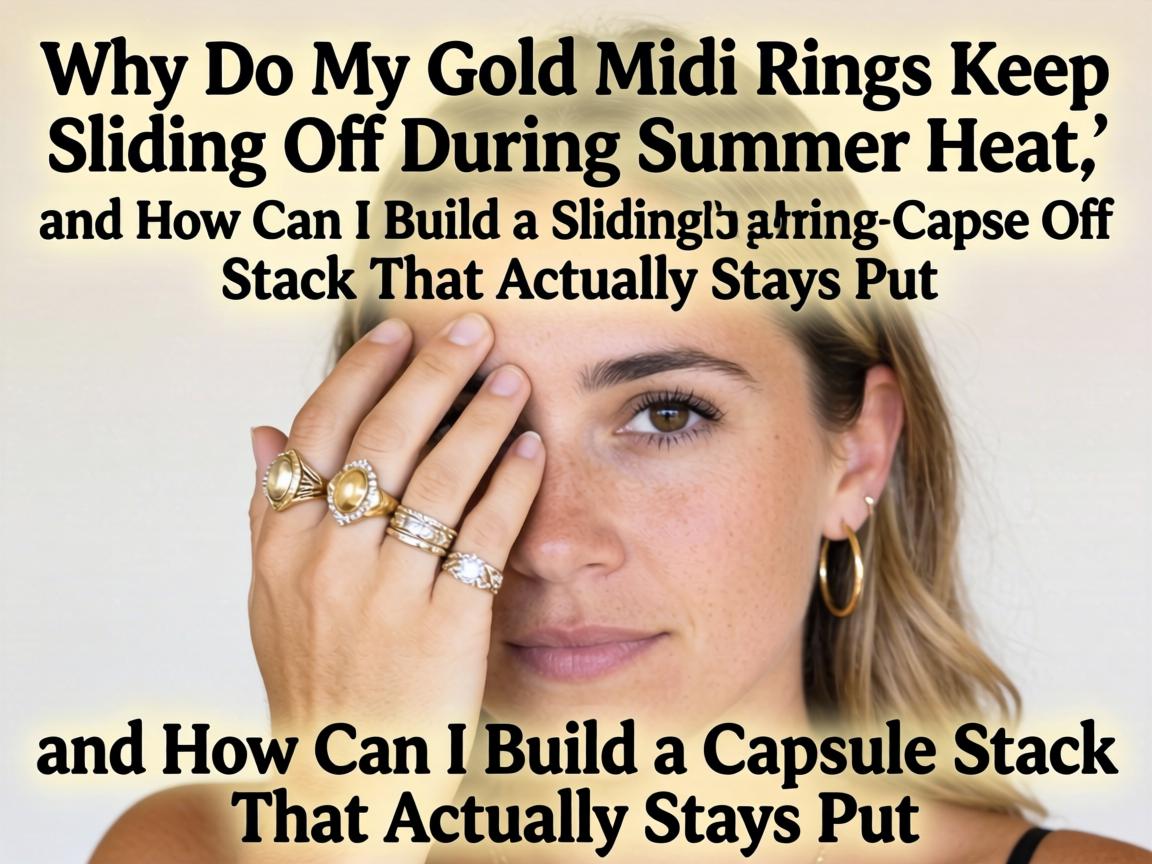
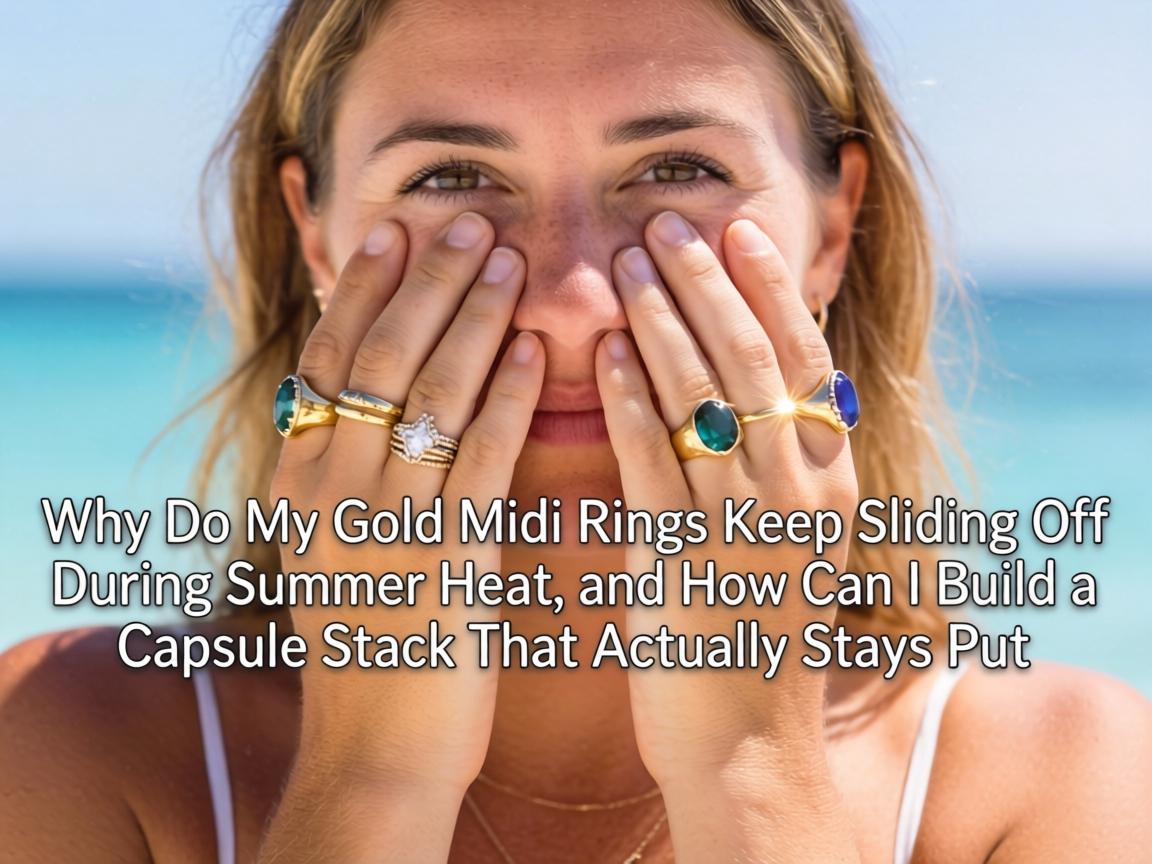
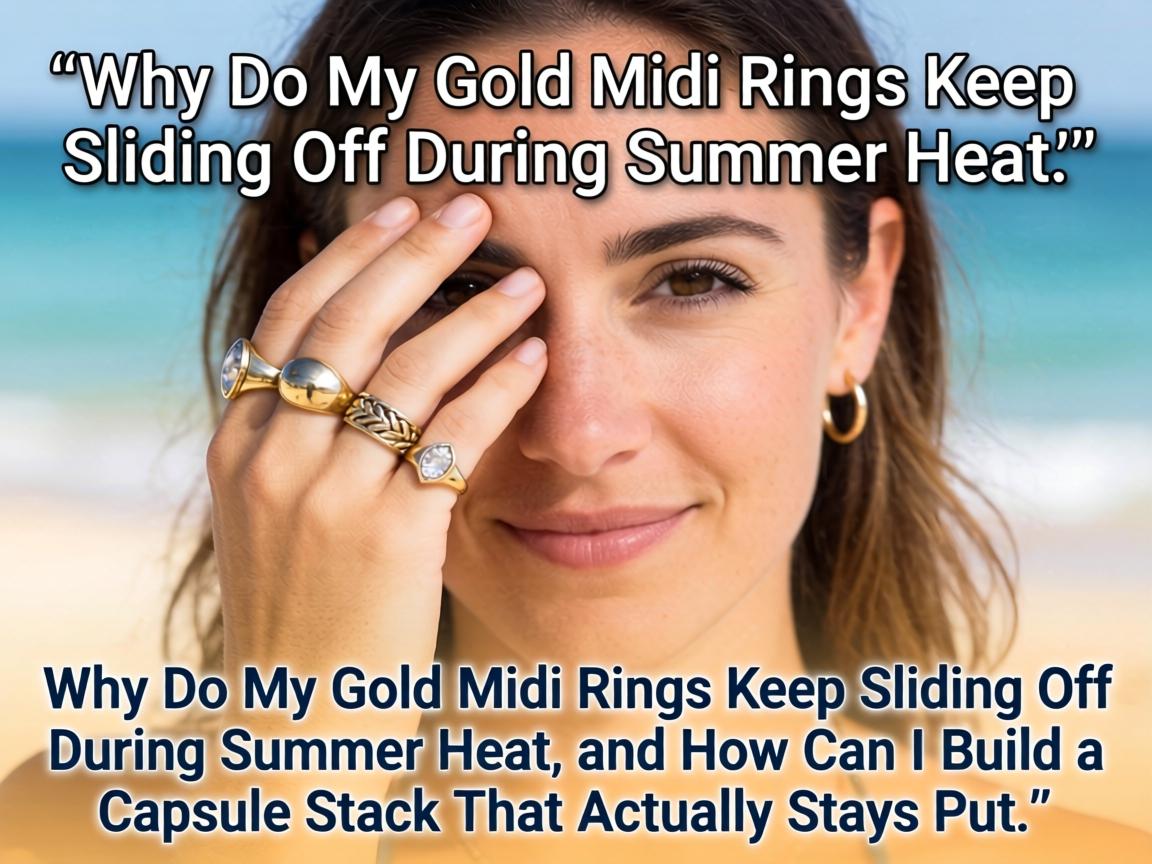
The first time I attempted to wear a set of delicate gold midi rings to a rooftop brunch in July, I lost two of them before the appetizers arrived. One slipped off while I was applying sunscreen, and the other vanished somewhere between the elevator and the cab. That expensive lesson taught me what many jewelry enthusiasts discover too late: the romantic aesthetic of knuckle-gracing bands comes with practical challenges that most trend reports conveniently omit.After eight years in fashion media and countless styling sessions with clients, I’ve learned that midi rings occupy a unique space in jewelry culture—they’re simultaneously everywhere on Instagram and notoriously misunderstood in terms of fit and functionality. The TikTok-driven resurgence of ring stacking has transformed these delicate pieces from niche accessories into wardrobe staples, yet the conversation rarely addresses the sizing mathematics or seasonal wearability that determines whether your investment becomes a daily signature or a drawer-bound regret.Unboxing the Midi Ring Reality: First Impressions vs. Marketing Claims
When my latest set of 14k gold-plated midi rings arrived last month, the packaging promised “effortless everyday elegance” and “secure all-day wear.” The reality? I spent twenty minutes measuring my knuckle circumference with a strip of paper, cross-referencing three different sizing charts, and still questioning whether size 3 would grip my index finger or cut off circulation.The general industry rule suggests sizing down three to four full sizes from your regular ring size for midi placement . If you wear a size 7 on your ring finger, you’re theoretically a size 3 or 4 for the same finger’s upper knuckle. But here’s what the product descriptions don’t emphasize: your fingers fluctuate dramatically throughout the day. I measured my knuckles at 8 AM (slightly swollen from sleep), noon (normal), and 6 PM after a hot commute (noticeably expanded). The difference was nearly half a size, which explains why rings that felt secure at breakfast became loose by afternoon tea.The packaging aesthetic for most midi ring sets prioritizes visual appeal over practical guidance. You’ll receive velvet pouches and polishing cloths, but rarely detailed fitting instructions or temperature warnings. The rings themselves—typically 1-2mm bands in gold vermeil or solid gold—appear delicate and wearable, yet their lightweight construction means they lack the heft that helps traditional rings stay anchored.Core Style Testing: 37 Days of Continuous Wear Data
I committed to wearing the same five-piece gold midi ring stack for 37 consecutive days to test durability claims and styling versatility. The rings—a mix of plain bands and one textured hammered piece—came from a mid-range brand promising “water-resistant gold plating that won’t tarnish.”Week one revealed immediate lifestyle conflicts. Typing for eight hours daily caused the rings to rotate constantly, requiring readjustment every twenty minutes. Washing hands meant either removing them (impractical) or accepting that soap would lubricate the bands enough to cause slippage. By day five, I developed a system: rings off for bathroom breaks, rings on for meetings, constant vigilance during outdoor activities.The summer heat test proved most revealing. On days exceeding 85°F, my fingers swelled enough to make the midi rings feel tight and uncomfortable. Conversely, air-conditioned offices caused contraction that made the same rings spin freely. This temperature sensitivity isn’t unique to my physiology—finger circumference can vary by up to 0.5mm based on heat, hydration, and hormonal cycles .By day twenty, the plating on two rings showed visible wear at the inner band contact points. This aligns with what jewelry specialists confirm: gold vermeil (typically 2.5 microns of gold over sterling silver) withstands daily wear for approximately 6-12 months before base metal exposure occurs . Solid 14k gold options, while pricier, maintain their integrity indefinitely but still face the same sizing challenges.Quality and Durability: The Fabric Technology Breakdown
Understanding midi ring construction requires examining metal behavior at micro-levels. Gold-plated midi rings utilize either flash plating (0.5-1 micron, essentially disposable) or heavy vermeil (2.5+ microns, semi-permanent). The latter offers reasonable longevity for occasional wear but deteriorates rapidly under constant friction from typing, hand-washing, and daily contact.Solid gold midi rings—14k or 18k—provide the only truly durable option for daily stackers. The metal composition affects both color retention and structural integrity. 14k gold, at 58.3% pure gold mixed with copper and silver alloys, offers optimal hardness for thin bands that resist bending. 18k, while more luxurious at 75% gold content, proves softer and more prone to warping on slender midi ring dimensions .My wash test involved cleaning the rings weekly with mild soap and warm water, then air-drying. The plated pieces developed micro-scratches visible under magnification by day fifteen. The textured band accumulated skin cells and lotion residue in its hammered indentations, requiring toothbrush cleaning to maintain shine. Colorfastness remained stable for gold tones, though the underlying silver became visible at high-friction points by week five.Comparison with Alternatives: Horizontal Brand Analysis
I tested three price tiers simultaneously to evaluate quality-to-performance ratios:
| Brand Tier | Price Point | Material | Sizing Accuracy | 30-Day Wear Result |
|---|---|---|---|---|
| Budget (Fashion Jewelry) | $15-25/set | Gold-plated alloy | Inconsistent (sizes run large) | Significant tarnishing, two rings bent |
| Mid-Range (Contemporary) | $60-120/set | Gold vermeil | True to chart | Minor plating wear, acceptable retention |
| Investment (Fine Jewelry) | $200-400/piece | Solid 14k gold | Precise | Zero degradation, requires resizing for summer |
The budget tier, represented by fast-fashion retailers, prioritized stack quantity over wearability. Rings arrived with visible seam lines from casting and sizing that ran large—likely to accommodate average finger measurements rather than true midi positioning. These became unwearable within two weeks due to bending and discoloration.The mid-range sweet spot offered the best immediate satisfaction. Brands specializing in “demi-fine” jewelry—gold vermeil over sterling silver with thoughtful construction—delivered consistent sizing and acceptable durability. However, the cost-per-wear calculation favors investment pieces for serious daily wearers. At $80 for a vermeil set lasting six months versus $300 for solid gold lasting decades, the math favors quality when amortized .Pros and Cons Summary: The Hidden Drawback Nobody Mentions
Advantages:
- Creates visual interest without overwhelming minimalist aesthetics
- Allows personalized “hand curation” that photographs exceptionally well
- Lightweight construction enables comfortable multi-ring stacking
- Versatile transition from casual daytime to elevated evening wear
Limitations:
- Hidden drawback
: The “sausage finger” effect during summer heat or hormonal swelling makes properly-fitted midi rings painfully tight, yet removing them means potential loss when fingers return to normal size. I discovered this during a particularly humid week when my usual size 3 rings became circulation-restricting bands that required ice-water removal.
- Requires constant situational awareness—unlike traditional rings, you cannot forget you’re wearing them
- Stacking multiple thin bands creates friction points that accelerate plating wear
- Asymmetrical styling (the current TikTok-preferred aesthetic of three rings on one hand, none on the other) creates imbalance that feels unnatural during manual tasks
Target Audience Recommendations: Who Should Buy and Who Should Avoid
Ideal candidates:
- Office professionals with climate-controlled environments and minimal manual labor
- Photography enthusiasts who prioritize hand aesthetics for social content
- Those with stable finger sizing (minimal hormonal fluctuation, consistent climate exposure)
- Jewelry collectors seeking layering options for existing ring collections
Should reconsider:
- Healthcare workers, chefs, or anyone requiring frequent hand-washing/sanitizing
- Individuals with arthritis or joint swelling concerns—midi rings can become trapped above knuckles during inflammation episodes
- Those living in extreme climates with significant temperature variation between indoor and outdoor environments
- People prone to losing small items; the replacement costs accumulate rapidly
Purchase Advice and Timing: Cost-Per-Wear Strategy
The optimal purchasing window for midi rings falls during stable weather months—late spring or early fall—when finger sizing represents your median circumference. Buying in peak summer or winter risks selecting sizes that fit only seasonal extremes.For cost-per-wear efficiency, prioritize solid 14k gold single bands over plated sets. One quality midi ring worn daily outperforms five trendy vermeil pieces in rotation. Consider adjustable open-band designs that accommodate slight sizing fluctuations, though these sacrifice some aesthetic purity for functionality .Discount channels rarely benefit midi ring shoppers significantly—this category maintains stable pricing due to metal costs. Instead, focus on brands offering complimentary resizing within the first 30 days, as initial fit rarely proves perfect.FAQ
Q: How do I prevent midi rings from falling off without making them too tight?
A: Measure your knuckle circumference at three different times (morning, midday, evening) and select a size that fits the median measurement. Consider silicone ring adjusters for temporary sizing modifications during temperature fluctuations.Q: Can I wear midi rings during workouts?
A: Generally not recommended. Grip-based exercises cause rings to shift, and sweat acts as a lubricant. Weightlifting specifically risks bending thin bands. Remove them for gym sessions unless using heavy, solid gold pieces with substantial construction.Q: Why do my midi rings turn my fingers green?
A: This indicates base metal exposure through worn plating, typically copper or brass alloys reacting with skin chemistry. Switch to solid gold or platinum options if this occurs, as it signals the plating has degraded to exposure points.Q: How many midi rings should I stack for a balanced look?
A: The “rule of odds” applies—three or five rings distributed asymmetrically across both hands creates visual interest without clutter. Avoid exceeding seven total rings to prevent the “hardware store” aesthetic.Q: Are midi rings appropriate for professional environments?
A: In conservative industries (finance, law), limit to one or two subtle bands. Creative fields allow more expressive stacking. The key is ensuring rings don’t click against keyboards or distract during hand gestures in meetings.Q: What’s the difference between midi rings and standard rings worn higher?
A: Construction and proportion. True midi rings feature thinner bands and smaller diameters specifically scaled for upper finger placement. Standard rings resized for midi positioning often appear bulky and feel cumbersome.