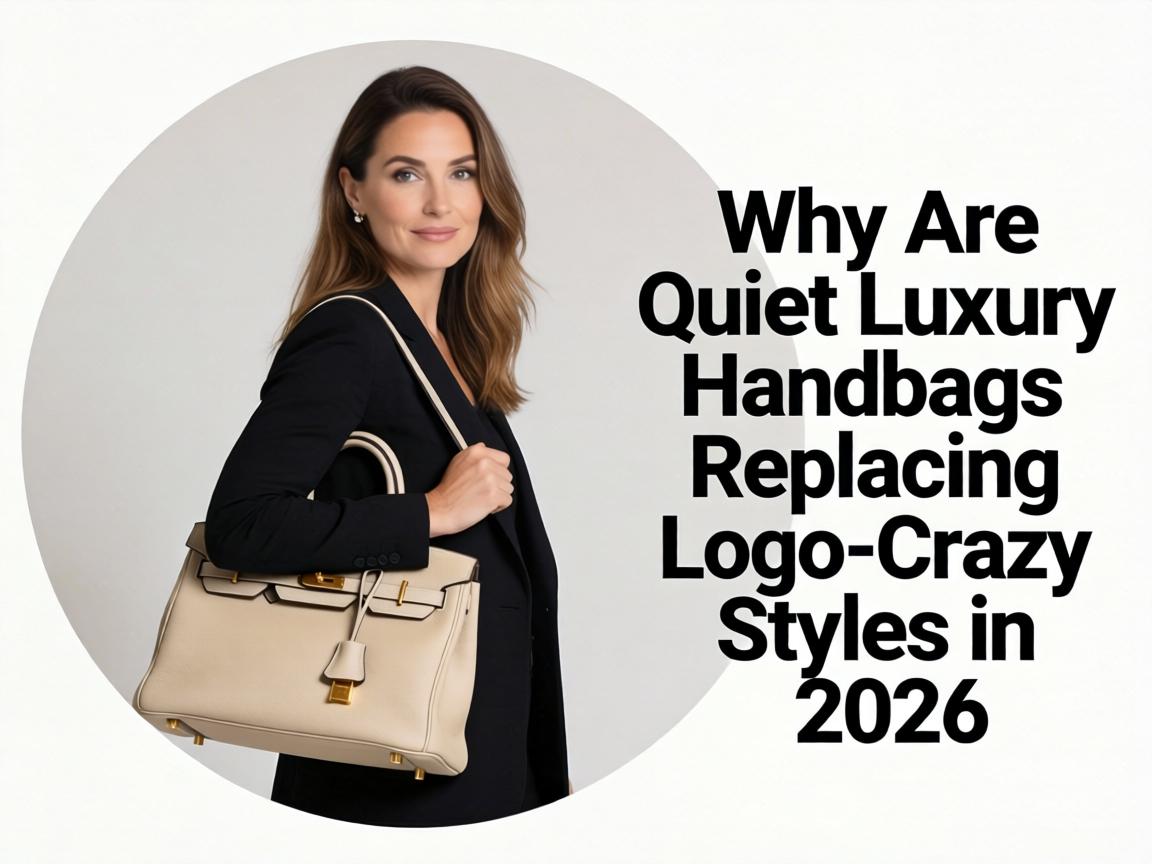
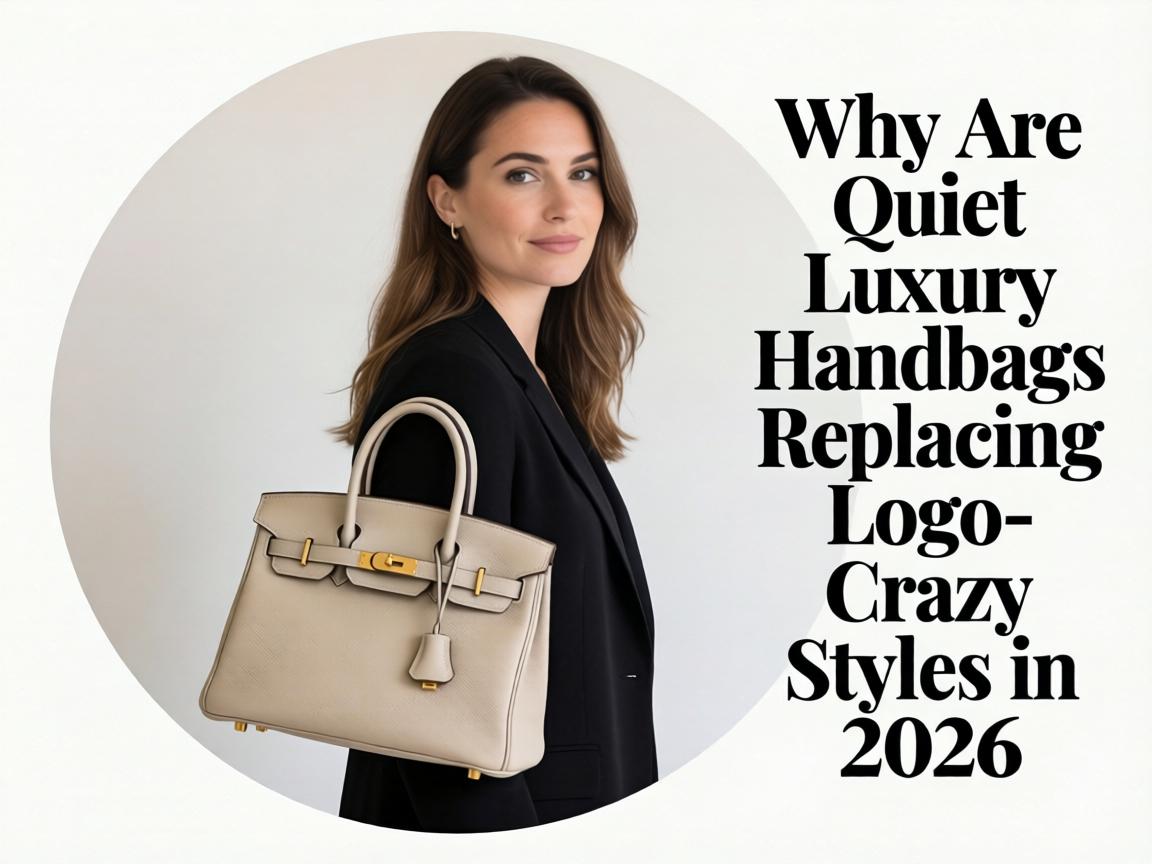
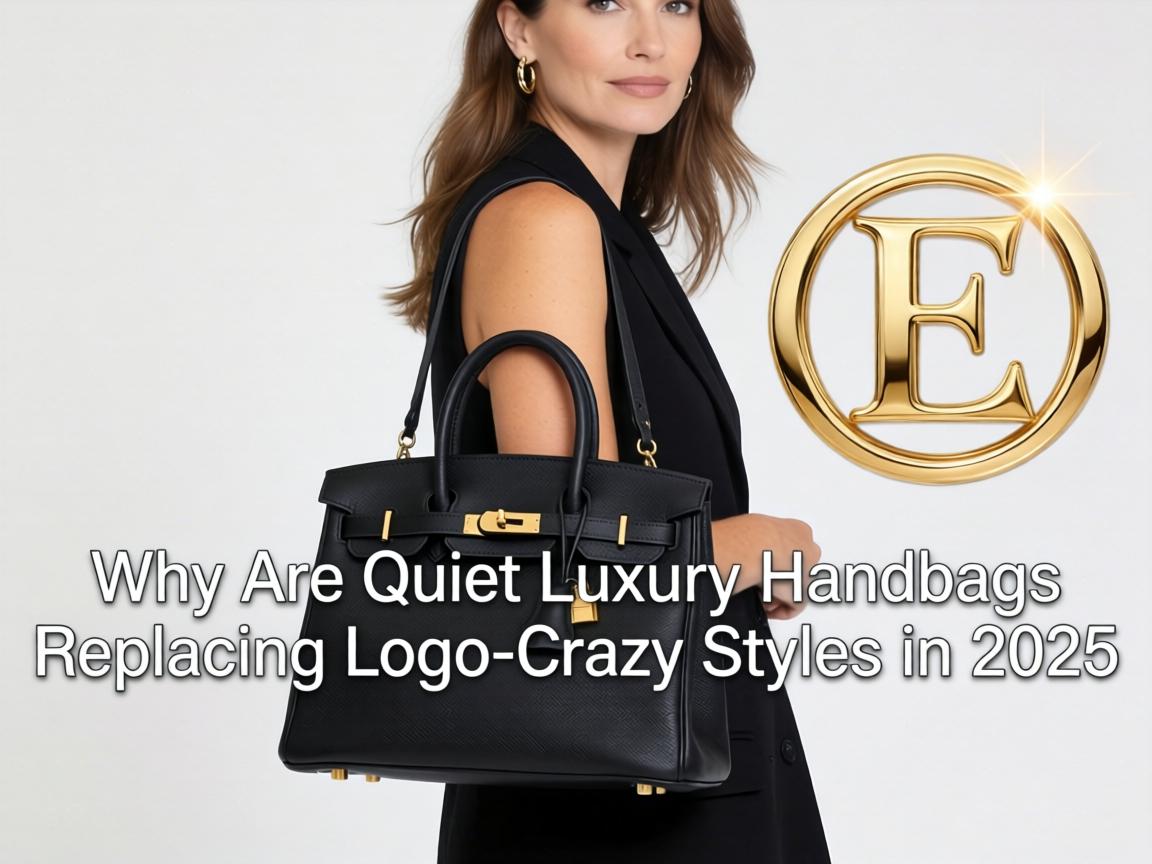
Let’s be real—when you see another influencer flashing that massive interlocking-C hardware, some part of you feels exhausted by the performance of it all. Most people don’t notice this, but the handbag conversation has shifted dramatically toward understated investment pieces
that whisper rather than scream. If you’re searching for minimalist luxury bags
, timeless leather goods
, or subtle status symbols
that age better than trending It-bags, keep reading.You might be wondering, “Isn’t quiet luxury just another trend with a fancy name?” Here’s what I think—yes and no. The aesthetic itself isn’t new; heritage houses
like The Row
, Bottega Veneta
, and Old Celine
built entire identities on this decades ago. What’s different in 2026 is the democratization
of the concept. Mid-tier brands are now offering unbranded quality
at $400-800
price points that compete with $3000+
legacy pieces. From my view, the value proposition finally matches the marketing.So what does this mean for the season? A lot of people ask me how to spot genuine quality versus expensive minimalism that’s actually just… boring. Let’s get into the details that matter:The Quiet Luxury Bag Checklist
• Hardware minimalism
: Zero logos
or discreet embossing only
. The magnetic closures
should feel weighted and smooth
, not plasticky.• Leather grading
: Full-grain
or top-grain
exclusively. Saffiano
and crosshatch
textures hide flaws; smooth calfskin
reveals them, which is actually the honesty signal.• Interior architecture
: Unlined suede
or canvas
in natural tones
, not synthetic printed linings. The inside should feel considered, not like an afterthought.But wait—you might be wondering about color strategy. Here’s where I pause and think… the quiet luxury palette
is narrower than you expect. Black
, cognac
, taupe
, cream
, deep burgundy
. That’s basically it. Bright colors work against the concept—part of the luxury is restraint
. A red quiet luxury bag
is almost an oxymoron.Let me compare what you’re actually getting at different investment levels:
| Price Tier | What You’re Paying For | Construction Reality | Longevity Expectation |
|---|---|---|---|
| $200-400
|
Design aesthetic | Bonded leather
, glued seams |
2-3 seasons |
| $600-1200
|
Materials + craft | Stitched construction
, solid brass |
5-7 years |
| $2000-4000
|
Heritage + service | Hand-finished edges
, lifetime repair |
15+ years |
| $6000+
|
Scarcity + status | Artisan production
, custom options |
Generational |
From my view, the sweet spot
for most people is that $600-1200
range. Most people don’t notice this, but several direct-to-consumer brands
now source from the same Italian tanneries
as heritage houses, skipping the retail markup
and marketing budget
. The leather quality is identical; you’re just not paying for boutique real estate
in Paris.You might be wondering, “How do I style something so plain without looking like I gave up?” A lot of people ask this. The answer is texture contrast
and proportion play
. A structured top-handle bag
against slouchy knitwear
creates visual interest. Soft hobo shapes
paired with tailored blazers
balance each other. The bag becomes architectural punctuation
, not the entire sentence.What does this mean for the season? I think we’re witnessing the maturation of the resale market
affecting primary purchases. People now buy with exit strategy
in mind. Logo-heavy bags
depreciate faster because trends cycle quickly. Minimalist designs
hold 60-70% of retail value
after three years because they don’t date themselves. It’s fashion as investment
, not just consumption.Guys, let’s be real about the emotional transition
. This is hard if you grew up on fast fashion dopamine
and logo recognition
. Quiet luxury requires confidence
that people will notice quality without prompts
. Here’s what I think helps: focus on tactile experience
. The weight distribution
on your shoulder, the smooth zipper glide
, the patina development
over months. These become private pleasures that don’t need external validation.One detail you might be wondering about: size and functionality
. Most people don’t notice this, but the quiet luxury silhouette
tends toward medium-large
rather than micro. Tiny bags
read as accessory statements
; substantial totes
and structured satchels
suggest practical sophistication
. Interior organization matters too—dedicated laptop sleeves
, key leashes
, interior zip pockets
that actually fit phones.From my view, the care and maintenance
is part of the relationship. Leather conditioner
every six months
, dust bags
for storage, professional cleaning
for stains. This ritual aspect
slows down consumption. You become steward
rather than owner
. It’s a different psychological contract with objects.You might be wondering if you should convert your entire collection
or start slowly. Here’s what I think. Identify your most-used bag
—the one that goes to work, errands, dinner. Replace that first with something genuinely excellent
. Live with it for six months
. Notice how decision-making simplifies
when one item works everywhere. Then decide if you want to extend the philosophy.The 2026 fashion conversation keeps circling back to authenticity signaling
. We’re tired of borrowed status
and rented luxury
. A quiet bag
suggests you know
without needing to prove
. It’s insider knowledge
rather than billboard advertising
. The people who recognize the stitch density
or tannery source
are the ones whose opinion you probably value anyway.From my view, that’s the real luxury—curated visibility
, not maximum exposure.