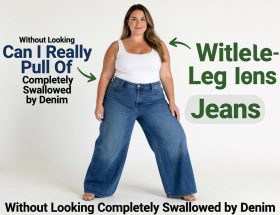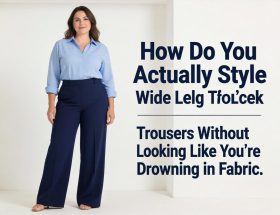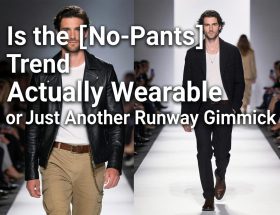
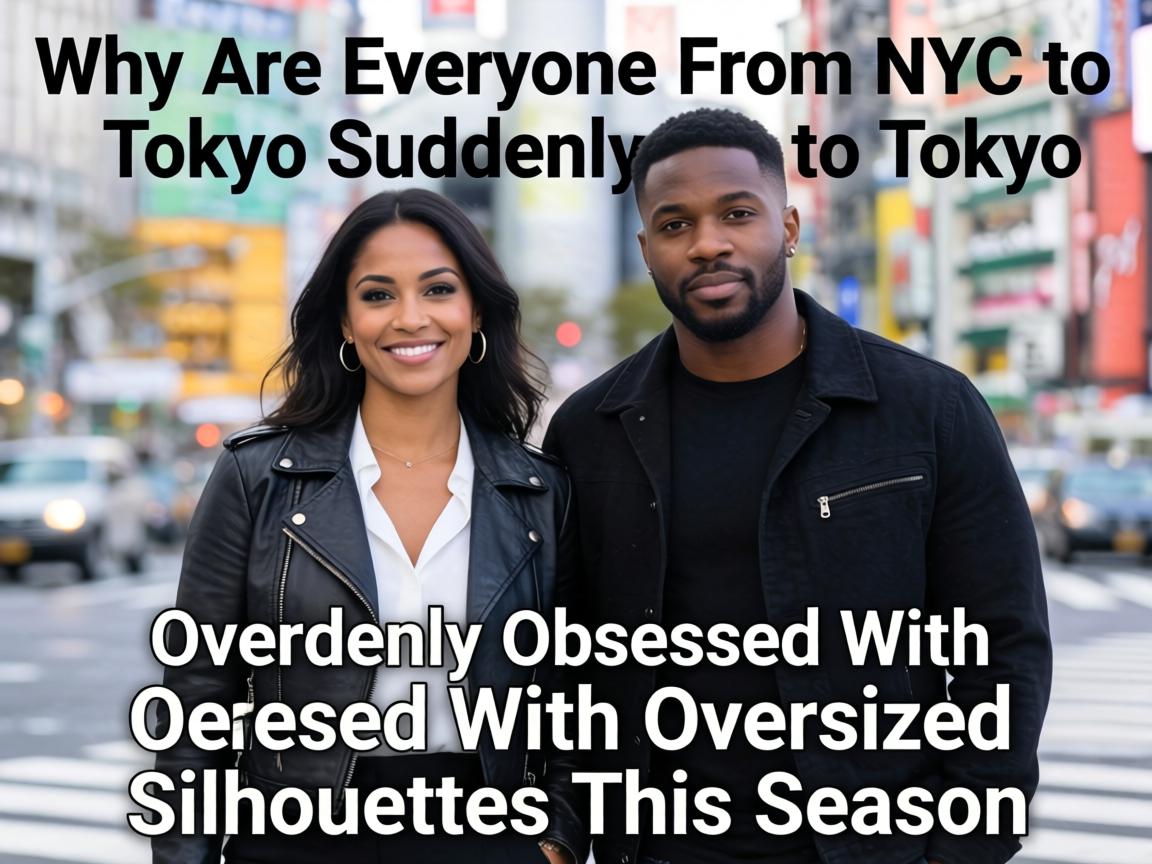
Guys, let’s be real—have you noticed how every fashion week street style gallery looks like a competition for who can wear the biggest blazer? I’m scrolling through my feed at 2am (as one does), and it’s just… enormous shoulders everywhere. Tokyo, Copenhagen, New York, doesn’t matter. Everyone’s drowning in fabric, and honestly? I’m not mad about it.So what does this mean for the season, and more importantly, what does it mean for your closet? A lot of people ask me whether this oversized obsession is just another fleeting micro-trend or something worth investing in. From my view, we’re looking at a pretty significant shift in how we think about power dressing—and comfort.Here’s what I think
is really driving this. Post-pandemic dressing never really went back to those tight, restrictive silhouettes we saw in 2019. Remember when skinny jeans ruled everything? Yeah, that era feels ancient now. The data backs this up too—oversized blazer searches are up 340% year-over-year
on major retail platforms, and “relaxed fit” has become the default filter for most shoppers under 35.You might be wondering, “Okay, but how do I actually wear this without looking like I’m playing dress-up in my dad’s clothes?” Fair question. The trick isn’t just buying bigger—it’s about intentional proportion play
. Think: massive coat over fitted turtleneck, or wide-leg trousers with a slightly cropped, still-oversized shirt. The contrast matters.Let’s break down what most people don’t notice about this trend:• Shoulder construction
—the best oversized pieces have dropped shoulders or extended sleeves that hit mid-hand, not just… big
• Fabric weight
—lighter materials drape better; heavy wool can look costume-y unless you’re going full editorial
• The “one oversized rule”
—if your top is huge, keep bottoms streamlined, or vice versaI spent last weekend trying on basically every oversized coat at this vintage warehouse in Brooklyn, and here’s what I learned. The pieces that actually work? They have some structure hidden in the chaos. Like, sure, it looks like you’re wearing a tent, but there’s usually a nipped waist or strong shoulder line holding the shape together.Keep reading, because this is where it gets interesting. The oversized trend isn’t actually one thing—it’s splintering into micro-aesthetics. You’ve got your corporate oversized
(think The Row, big trousers with massive coats), your streetwear oversized
(hoodies that could fit three people, layers on layers), and what I’m calling romantic oversized
(voluminous dresses, poet sleeves, that whole vibe).
| Style Category | Key Pieces | Vibe Check |
|---|---|---|
| Corporate Oversized | Wide-leg trousers, boxy blazers, long coats | “I have a corner office but make it casual” |
| Streetwear Oversized | Extreme hoodies, baggy cargos, layered tees | “I might skate, I might just look like I do” |
| Romantic Oversized | Voluminous dresses, balloon sleeves, tiered skirts | “I live in a cottage but make it fashion week” |
The comparison isn’t about which is “better”—it’s about what feels authentic to you. Personally? I’m drifting between corporate and romantic depending on my coffee intake that morning.Now, you might be wondering about sizing. Should you size up, or buy pieces already designed oversized? From my experience, buying intentionally oversized designs wins every time
. When you just size up, the armholes end up weird, the proportions get messy. Designers who build oversized into the pattern know where the volume should sit.What does this mean for accessories? Actually, this is where most people mess up. With all that fabric competing for attention, you need to be strategic. Small, structured bags
are having a major moment specifically because they balance the volume. Tiny sunglasses too—though I’m still conflicted about whether that’s practical or just cute.Let’s talk price points for a second. You can find decent oversized blazers at Zara or H&M for under $150, but the fabric quality shows after a few wears. The drape gets sad. Meanwhile, investing in one really good oversized coat from a mid-range brand like COS or Arket—somewhere in the $300-500 range—gives you that heavy, expensive-looking fabric that actually holds its shape.Here’s what I think about sustainability angle too. Oversized pieces tend to have longer lifespans because… well, fit is less precise. Gain a little weight? Lose some? The coat still works. That oversized shirt dress? It’s basically a different garment depending on how you belt it. Versatility = less consumption
, theoretically.A lot of people ask me about color palettes for this trend. Honestly? The oversized silhouette works with everything, but I’m seeing three directions dominate right now:• Monochrome volume
—all one color, head to toe, let the shape do the talking
• Neutral contrasts
—beige oversized coat over white wide pants, very “rich mom” aesthetic
• Unexpected brights
—hot pink enormous blazers, because why not make a statement with the size AND the color?From my view, the psychology here is fascinating. We’re wearing bigger clothes during a time when personal space has become so… contested. Public transit is packed, housing is tiny, everything feels compressed. Maybe we’re using volume to claim territory? Or maybe I’m overthinking and it just looks cool. Probably both.The seasonal transition is actually perfect for experimenting. That oversized blazer you bought for autumn? Throw it over a summer dress with boots. The proportions get interesting in that between-season way that fashion people love to photograph.You might be wondering about footwear. Chunky soles are still reigning—platform loafers, exaggerated boots, even oversized sneakers
(if that’s not too much of a good thing). The rule is basically: if your clothes are taking up space, your shoes should ground that energy. Delicate little heels with massive coats? It can work, but it’s harder to pull off without looking like you’re trying too hard.Most people don’t notice this, but the oversized trend is also changing how retailers merchandise. Walk into any flagship store now and the mannequins are literally wearing clothes three sizes too big, pinned strategically. It’s creating this interesting gap between how things look on the rack versus on an actual human body. Always try things on, guys. Always.So where is this all heading? I don’t think oversized is disappearing, but I do think it’ll evolve. We’re already seeing signs of “sculpted oversized”
—voluminous but with precise tailoring, architectural shapes that are big but controlled. Think Issey Miyake pleats, that kind of intelligent volume.What does this mean for your shopping list this season? If you’re building a wardrobe, prioritize: one truly great oversized coat, one pair of wide-leg trousers that actually fit your waist (harder to find than you’d think), and an oversized shirt in a quality fabric. Those three pieces mix with everything you already own.From my view, the best thing about this trend is how democratic it is. High fashion and fast fashion are basically selling the same silhouette right now, just with different fabric contents. You can look current at any price point, which feels rare and worth celebrating.Keep reading my updates if you want specific brand recommendations—I’m planning a full breakdown of where to shop for each budget tier next week. But for now, go check your closet. I bet you already own something that works oversized, you just haven’t styled it that way yet.That’s the thing about trends, right? Sometimes the clothes don’t change, just how we see them.