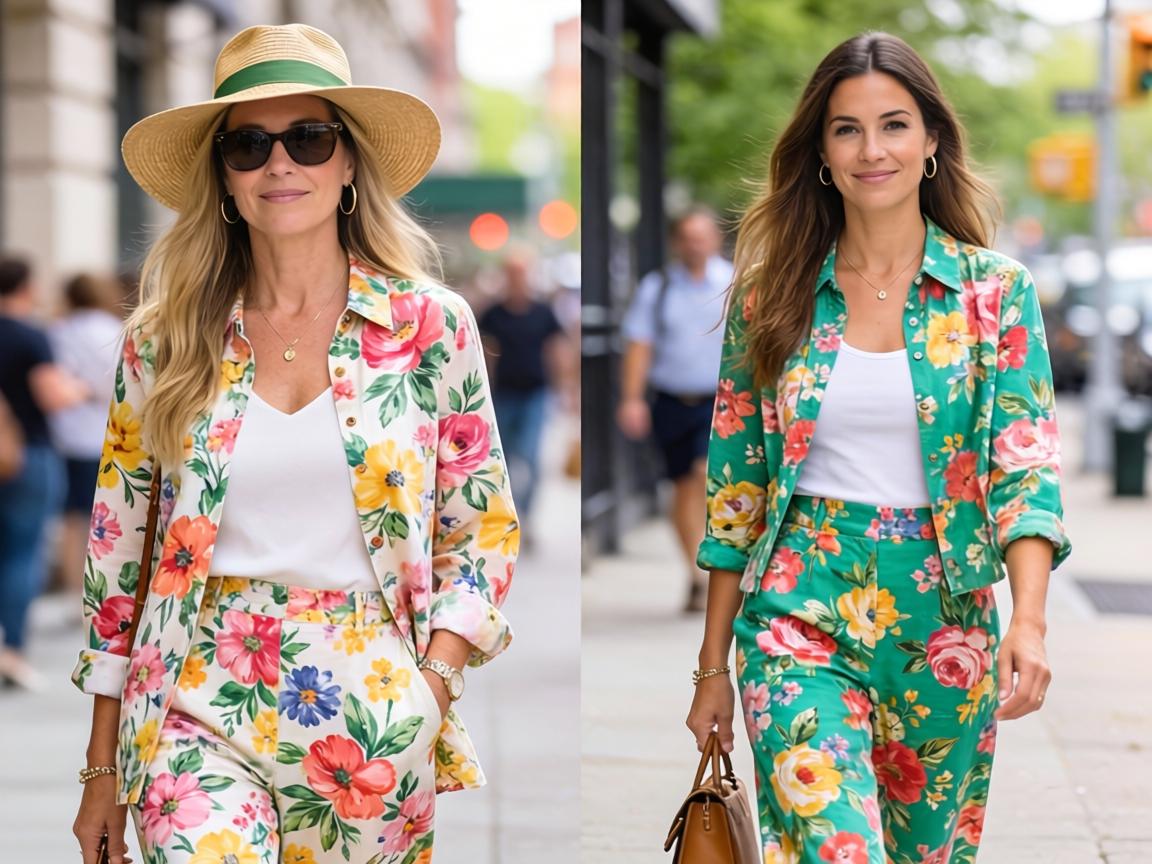
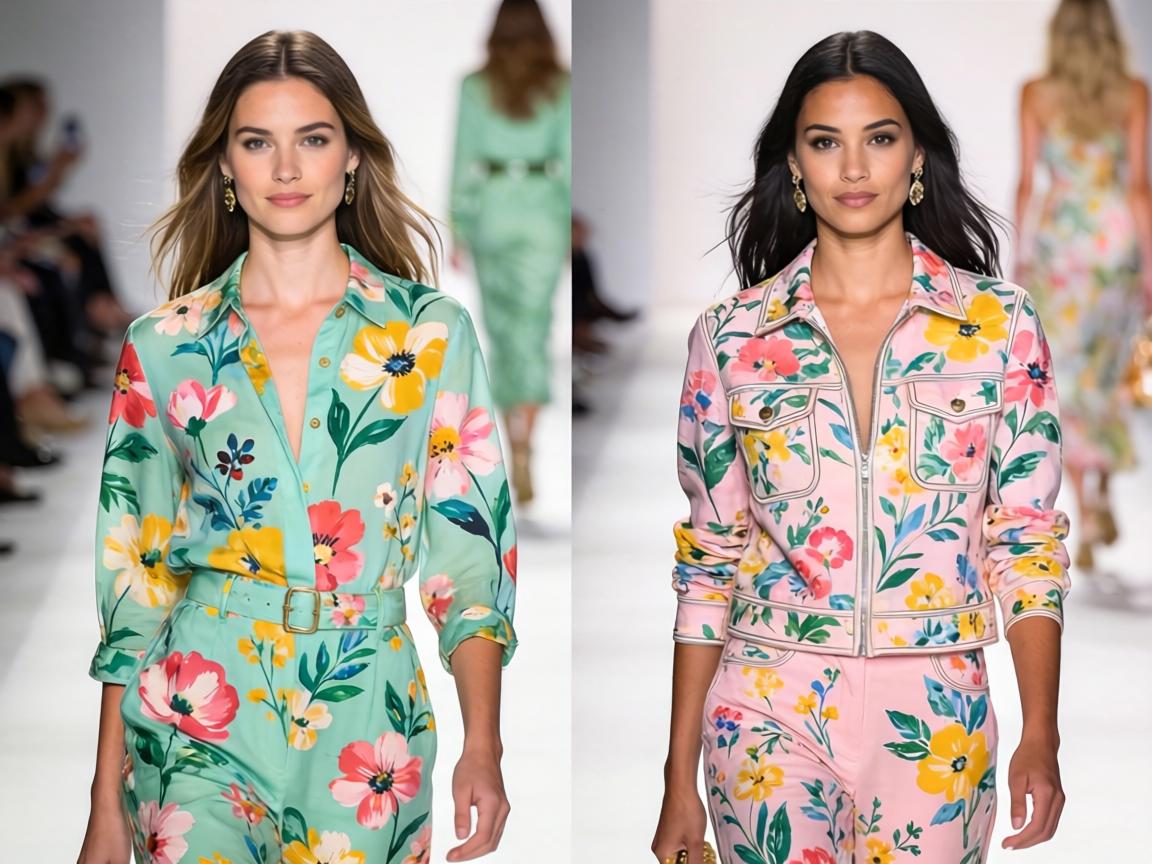
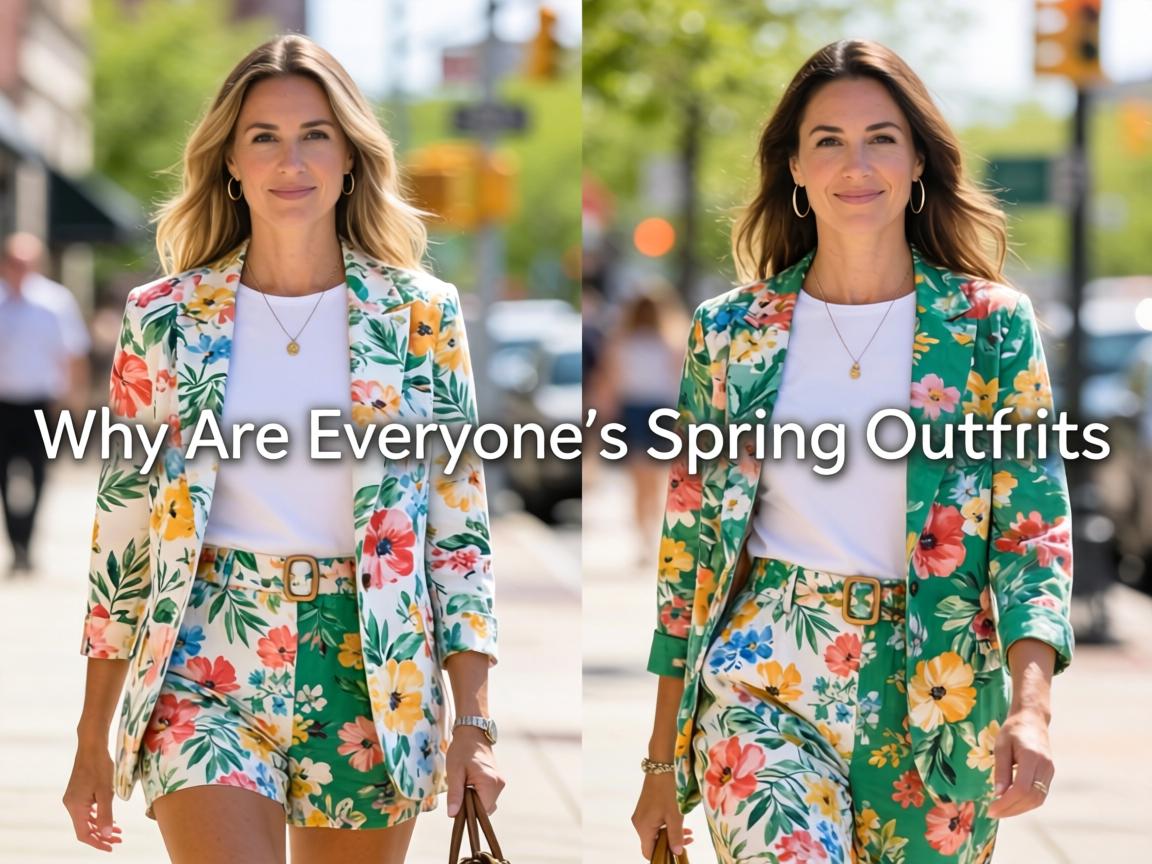
Guys, let’s be real — when you think “spring florals,” your brain probably goes straight to those ditsy little daisy prints that show up every year like clockwork. But have you noticed what’s actually happening in 2026? The floral trend
has completely mutated. We’re talking oversized botanicals, weird color combinations, flowers that look like they were painted by someone having a very interesting dream. Search data shows “statement floral dress”
queries up 45%
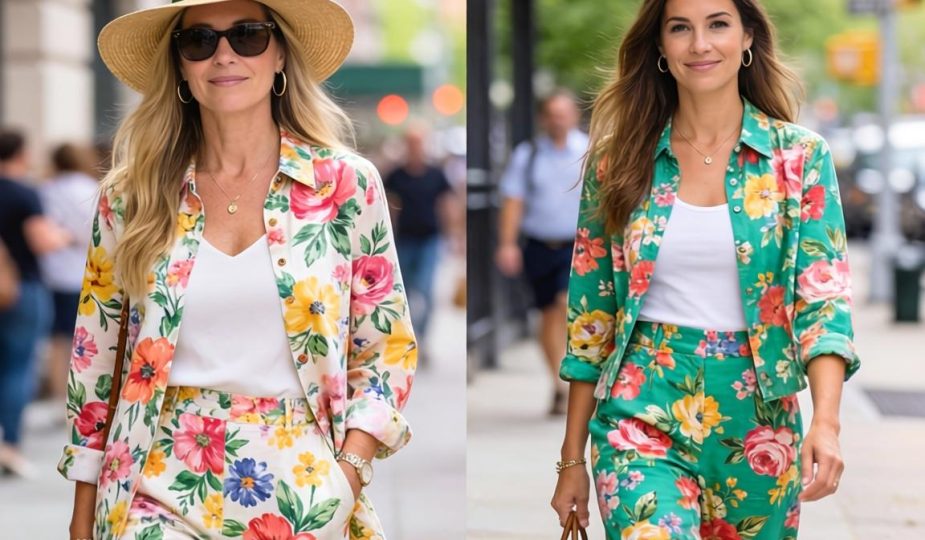
since February, and my Instagram feed is basically a greenhouse on acid right now.So what changed? And more importantly, how do you wear this new wave of florals without looking like you raided your grandmother’s curtains?I spent the last few weeks studying this properly — street style photos, runway recaps, that one girl at my coffee shop who always nails it — and here’s what I think is going on. The “unexpected floral”
movement is really about rejecting that whole “pretty and delicate” expectation. These new prints are loud, slightly off, kind of challenging. They demand attention rather than just politely decorating your outfit. Most people don’t notice that the coolest versions always have something slightly wrong about them — a jarring background color, flowers that are technically “ugly,” scales that feel almost aggressive.You might be wondering if this works for everyday life or just fashion week. And honestly? I’ve seen both. The key seems to be confidence plus grounding elements
. Like, if you’re wearing a massive painterly floral blouse, you probably want to pair it with your most basic jeans and simple shoes. Let the print be the conversation, not compete with it.A lot of people ask me about color specifically. Traditional spring florals stuck to pastels — soft pinks, baby blues, creamy whites. But this new generation? Acid greens, burnt oranges, deep purples against black backgrounds
. It’s moodier, more sophisticated, way less “Easter egg.” I’ve been experimenting with a dark floral midi skirt that has these almost neon pink roses on navy, and it works for dinner, for work, for weekends. Way more versatile than I expected.What does this mean for the season? Well, designers are clearly pushing florals as year-round staples
rather than just spring novelties. The fabrics are heavier — wool blends, structured cottons, even leather with embossed botanical patterns. This isn’t about looking seasonal anymore. It’s about making flowers feel substantial, permanent.Keep reading if you want the actual styling breakdown, because I think that’s where people get stuck. Here’s my comparison of what separates the fashion-forward floral looks from the ones that feel dated:
| The Old Way | The 2026 Way |
|---|---|
| Small, scattered prints | Large, isolated blooms
with breathing room |
| Pastel color palettes | High contrast
or unexpectedly dark bases |
| Feminine silhouettes only | Mixed with tailoring
— boxy blazers, wide trousers |
| Delicate fabrics | Heavyweight materials
that give flowers structure |
| Sweet accessories | Edgy or minimal
jewelry that creates tension |
See the difference? It’s about disruption
. Taking something traditionally “nice” and making it slightly uncomfortable. That’s where the energy is right now.From my view, the most interesting development is how menswear is absorbing this trend too
. Floral shirts for guys used to be strictly vacation-only, maybe a Hawaiian situation. Now I’m seeing men in dark floral trousers, botanical embroidered jackets, even flower-patterned ties that feel almost subversive. The gender lines around this print are dissolving, which makes the whole trend feel bigger than just another seasonal moment.Here’s what I’ve learned from trying these pieces myself:
- One statement floral item per outfit
— unless you’re genuinely going for maximalist chaos, let one piece dominate
- Texture matters more than ever
— a flat floral print reads cheap, but the same pattern in jacquard or devoré
feels expensive
- Scale should match your frame
— petite people can actually handle oversized prints better than micro-florals that get visually lost
- Background color is everything
— black, deep navy, or even chocolate brown bases make flowers feel modern rather than precious
The self-questioning part I keep coming back to: why do we keep returning to florals decade after decade? And I think it’s because they’re emotionally loaded
. Flowers represent growth, change, beauty that doesn’t last. In a weird way, wearing bold florals right now feels like optimism with an edge. Like, yes, things are complicated, but we’re still going to put on this ridiculous blooming dress and go outside.That emotional resonance might be why this particular iteration feels different. It’s not escapist fantasy florals. It’s realistic, slightly messy, complicated flowers
. The kind that grow in cracks in the pavement rather than perfect gardens.I’ve been wearing this one particular blouse — vintage-inspired but with these huge, almost abstract tulips in colors that don’t exist in nature — and the reactions are fascinating. People either love it immediately or look confused for a second before deciding they love it. There’s no neutral response, which I think is the point. Fashion that makes people feel something, even if that something is initially “wait, what?”So why is everyone suddenly covered in these unexpected florals? Because we’ve collectively decided that “pretty” is boring and “interesting” is better. Because after years of minimalist neutrals dominating everything, we’re hungry for visual richness that still feels smart. Because flowers, done right, can be powerful rather than just decorative.My personal take? Start with one piece that scares you slightly. The print that makes you think “can I pull this off?” That’s probably the one. Pair it with your most trusted basics, wear it on a day when you need confidence, and see what happens. Worst case, you change. Best case, you discover a whole new side of your style.The floral revolution is here, and it’s weird, and I’m kind of obsessed with it.