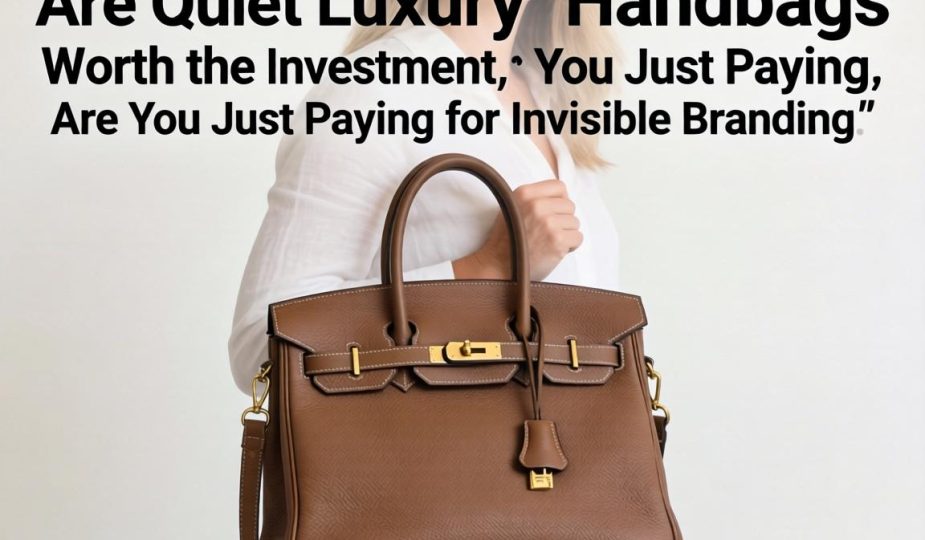
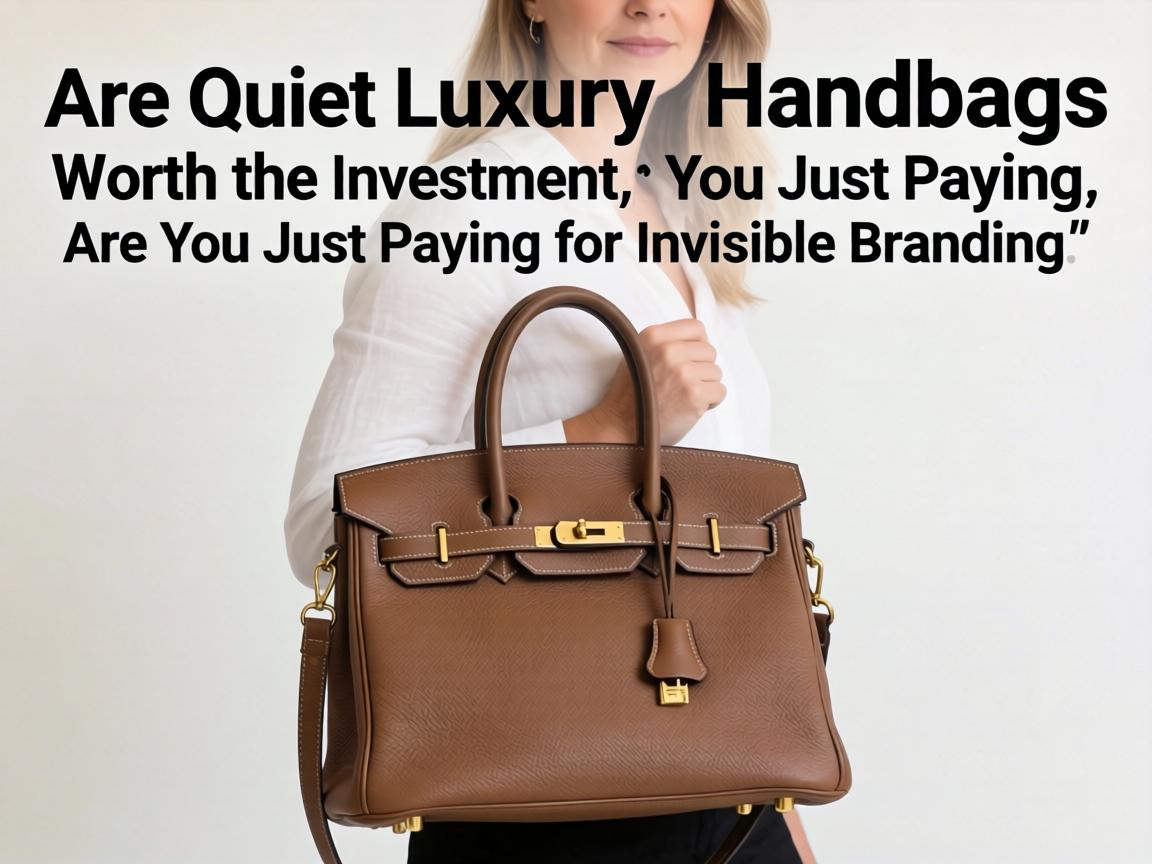
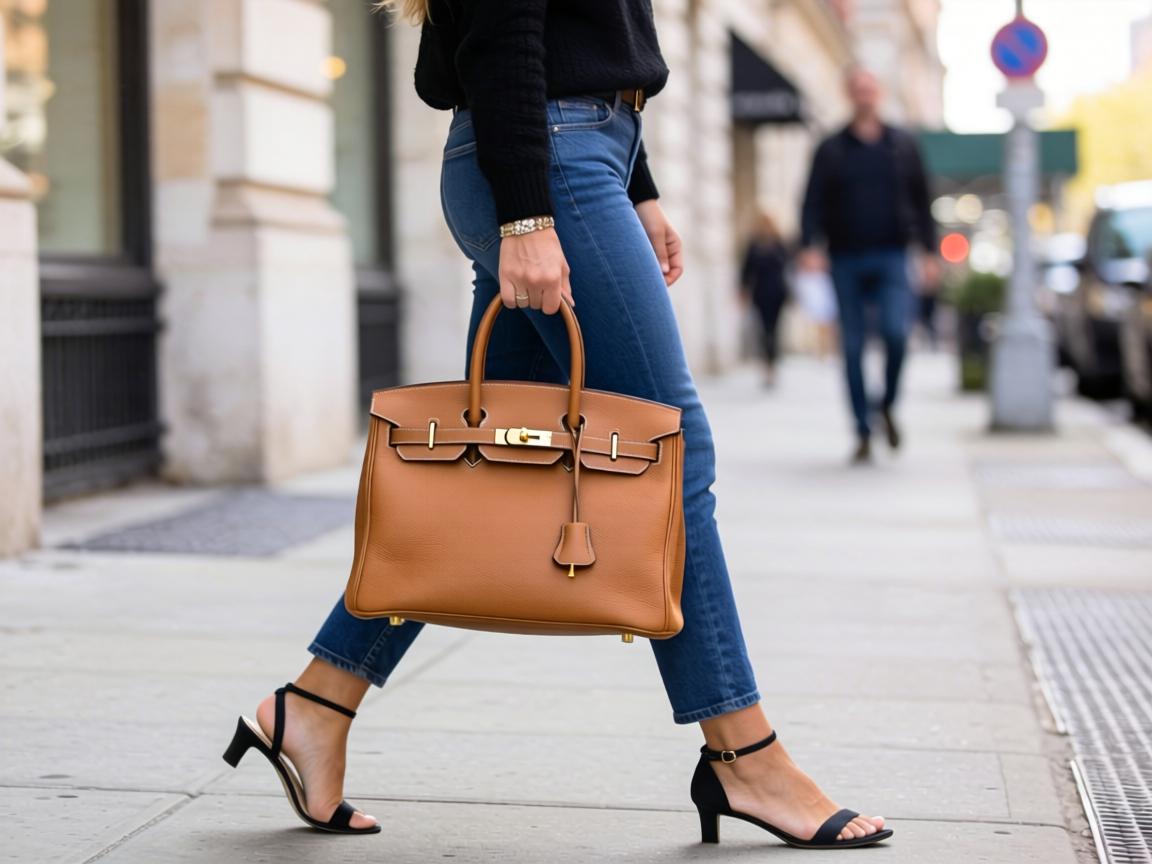
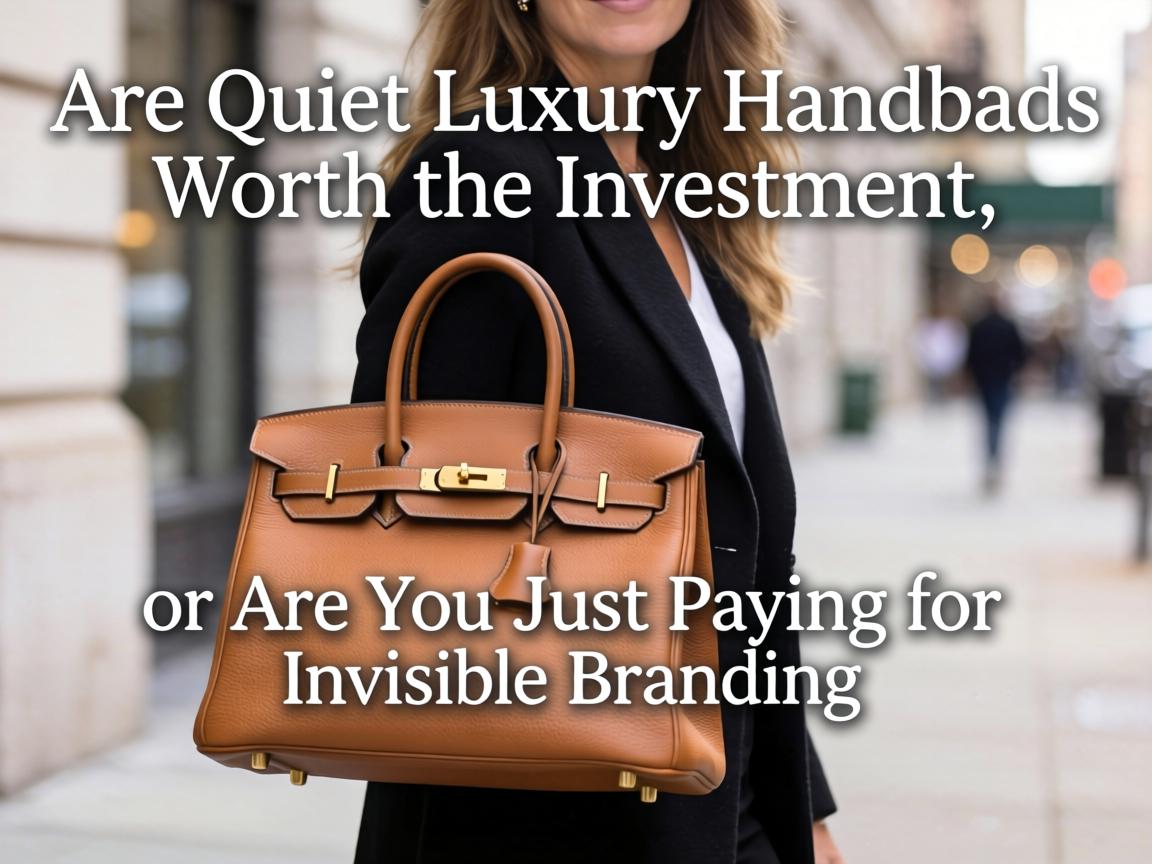
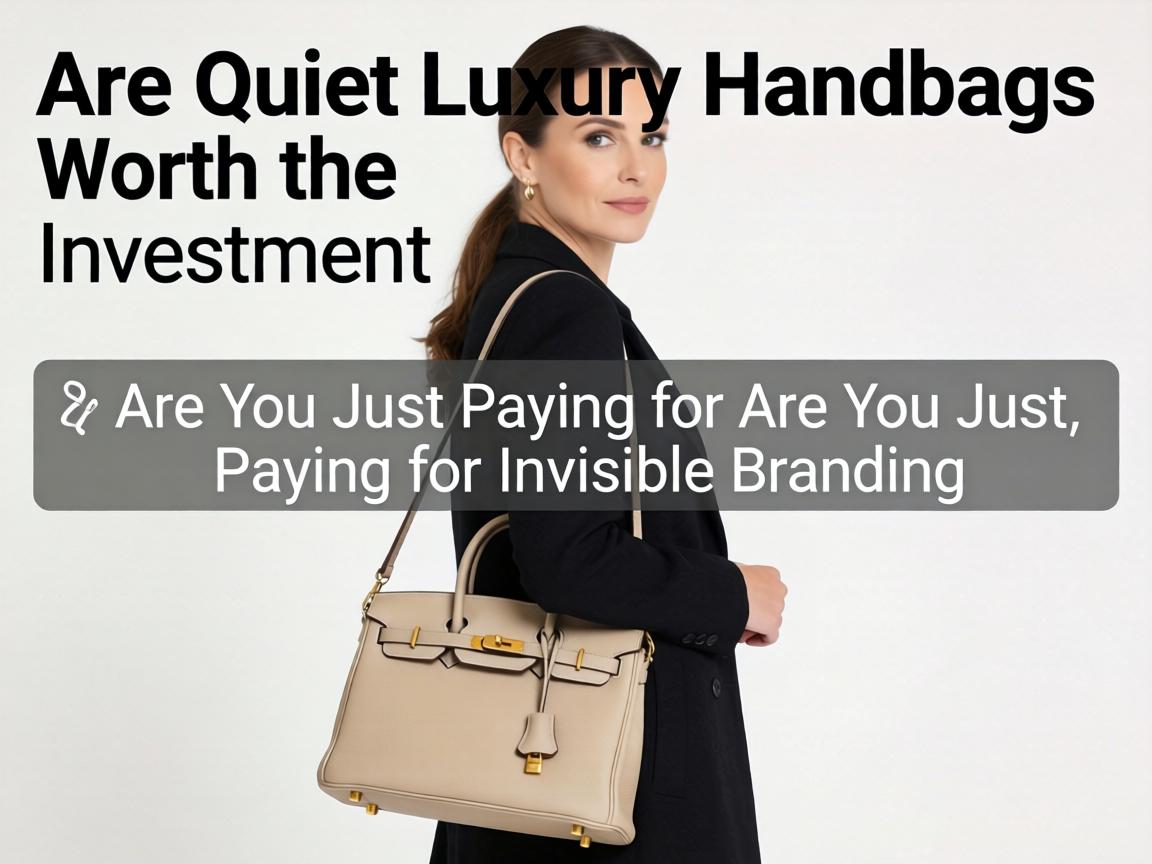
So, guys, let’s be real. When was the last time you saw a handbag without a logo and actually noticed it? Probably recently, if you’ve been paying attention to what’s happening in fashion right now. Quiet luxury handbags
are everywhere—those unbranded leather totes
, minimalist crossbody bags
, and understated top-handle styles
that cost a small fortune but look like they could be from anywhere. And honestly? I have complicated feelings about this whole movement.You might be wondering why stealth wealth accessories
have suddenly taken over our feeds. What does this mean for the season? From my view, we’re witnessing a massive rejection of the logomania
that defined the 2010s. Remember when everyone was carrying Gucci Marmont bags
with those huge brass Gs, or Louis Vuitton Neverfulls
covered in monogram canvas? That energy feels dated now. Almost tacky, honestly. And in its place, we’ve got bags so subtle they require a second glance to identify.Here’s what I think. This shift isn’t just about aesthetics—it’s about signaling. A quiet luxury handbag
says “I know, and that’s enough.” It creates an in-group language where only certain people recognize the soft grain leather
of The Row or the distinctive stitching
of Bottega Veneta. It’s exclusive, but in a whisper instead of a scream. And that exclusivity? It comes with a price tag that’ll make your eyes water.A lot of people ask me whether these bags are actually better quality or if we’re just paying for the privilege of being subtle. The answer is… both, honestly. Let me break this down with some self-questioning because I’ve spent way too many hours researching leather grades and hardware origins.Q: What technically makes a handbag “quiet luxury” versus just expensive?
A: Three things, mostly. First, absence of visible logos
—no monograms, no metal letters, no signature prints. Second, materials that speak for themselves
: full-grain leather, hand-stitched details, brass hardware
that develops a patina. Third, silhouettes that reference archival designs
rather than trend-chasing shapes. Think structured top-handle bags
that look like they could’ve existed in 1960 or 2024. Timelessness, but make it expensive.Q: Can you achieve this look without spending thousands?
A: Kind of, but there’s a catch. You can find minimalist leather bags
at lower price points—Mansur Gavriel, Cuyana, even some vintage Coach
from the 90s. But the leather quality gap
is real. That $400 bag will look good for a season, maybe two. The $2400 bag? It’ll look better in ten years than it does today. Most people don’t notice this depreciation curve until they’ve lived through it.Let me show you what I mean with a quick mental comparison from my own shopping history:
| The Loud Luxury Approach | The Quiet Luxury Approach |
|---|---|
| Logo-centric design
as the main feature |
Craftsmanship details
as the main feature |
| Trend-driven shapes (micro bags, geometric clutches
) |
Classic silhouettes
that outlast trends |
| Coated canvas
and printed leather |
Vegetable-tanned leather
that ages visibly |
| Immediate recognition by general public | Recognition only by “those who know” |
| Resale value tied to hype cycles | Resale value tied to condition and rarity
|
See the difference? One strategy performs for the moment. The other performs across decades. But here’s where I get conflicted.You might be wondering about the accessibility problem. Keep reading, because this is important. From my view, the quiet luxury handbag trend creates a weird paradox. It claims to be about timeless taste over conspicuous consumption
, but the price barriers are often higher than logo-heavy alternatives. A basic leather tote
from The Row costs more than a monogrammed Speedy
. So who is this really serving?A lot of people ask me about entry points into this aesthetic. Here’s what I think: vintage and secondhand
are your best friends. I’ve found 90s Prada
with the interior logo only—completely stealth from the outside—for a fraction of current retail. Old Celine
(Phoebe Philo era) before the rebrand. Even vintage Hermès
if you’re patient and lucky. The secondary market democratizes this trend somewhat, though it’s still not cheap.What does this mean for the season ahead? I think we’re seeing the emergence of “quiet” as a category
rather than just an adjective. Retailers are creating sections dedicated to unbranded accessories
. Designers are launching diffusion lines specifically for this customer—minimal hardware
, neutral palettes only
, artisanal backstories
emphasized in marketing. It’s becoming codified, which honestly feels slightly against the spirit of the whole thing.From my view, the smartest approach isn’t total commitment to one aesthetic. It’s strategic mixing. Maybe you own one investment quiet bag
for professional settings and client meetings—something that reads as expensive without trying too hard. Then you have fun with vintage finds
, colorful mid-range pieces
, or even (gasp) the occasional logo bag
when the mood strikes. Most people don’t notice this hybrid strategy, but it keeps your options open.Let’s talk about specific styles for a second. If you’re actually shopping in this category, what should you look for? Based on my obsessive research and some regrettable purchases:
- The structured top-handle
: Looks professional, works for day-to-night, references mid-century elegance
- The soft hobo
: Slouchy but not sloppy, requires excellent leather to maintain shape
- The minimalist crossbody
: For hands-free days, should have adjustable straps
and interior organization
- The oversized tote
: The ultimate stealth wealth
move—implies you don’t need compartments because you have people to carry things for you (kidding, mostly)
You might be wondering about color choices. Here’s what I think: tan, black, chocolate brown, and burgundy
are your safest investments. They develop character with age, hide wear better than light colors, and coordinate with everything. That said, a navy or forest green
bag in this category can feel more individual without sacrificing versatility.A lot of people ask whether quiet luxury handbags are a passing trend or a permanent shift. Honestly? I think the specific brands dominating now will rotate—The Row might be replaced by the next cult favorite
, Bottega will evolve under new creative direction. But the underlying preference for subtlety over shouting
? That feels like it has staying power. We’re tired of being walking billboards. We want our possessions to feel personal again.So are they worth the investment? From my view, only if you genuinely love the object itself—not the idea of it, not the status it confers, but the weight of the leather
, the smoothness of the zipper
, the way it sits against your hip. If you’re buying quiet luxury to perform sophistication, people can sense that. But if you’re buying it because you’ve developed actual discernment? That’s different. That’s the whole point.What does this mean for how we shop going forward? I think we’re entering an era where education matters more than budget
. Knowing why one leather costs more than another, understanding construction techniques
, recognizing hardware quality
—these skills let you make smart choices at any price point. And honestly? That’s more empowering than any logo ever was.